What is Cleft Palate Surgery?
Cleft palate surgery, also known as palatoplasty, is a reconstructive procedure to repair a congenital opening in the roof of the mouth. The surgery closes the gap, restores normal speech and feeding ability, and improves facial appearance and overall quality of life. It is usually performed in infants between 6-12 months of age, but additional corrective surgeries may be needed as the child grows.
Who Needs Cleft Palate Surgery
Cleft palate surgery is performed to correct a congenital disability in which the roof of the mouth (palate) does not fully form, creating a gap. It is commonly recommended for:
- Infants born with a cleft palate (a gap in the roof of the mouth)
- Children with speech and feeding difficulties caused by the cleft palate
- Individuals with associated conditions such as cleft lip, hearing problems, or dental issues
Types of Cleft Palate Surgery
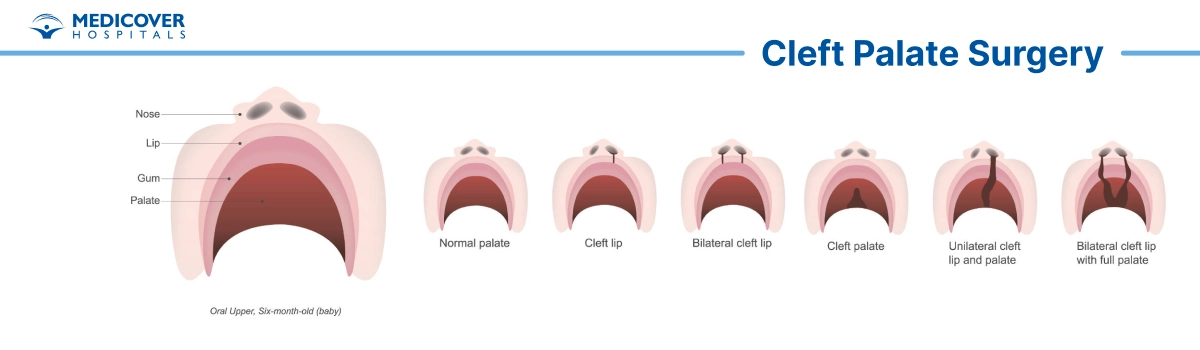
There are different types of cleft palate surgery, depending on the severity and location of the cleft. The primary objective is to close the gap and restore proper function to the palate. Common procedures include:
- Primary Palatoplasty: The most common type of surgery performed to close the gap in the palate.
- Secondary Palatoplasty: Conducted later in life if the initial surgery doesn't fully address speech issues or if a gap reopens.
- Velopharyngeal Surgery: Aimed at correcting issues related to speech after the primary surgery.
2 to 3 Hours
Surgery Duration
General Anesthesia
Anesthesia Used
3-6 Months
Full Recovery Timeline

When is Cleft Palate Surgery Recommended?
Indications of Cleft Palate Surgery usually depend on the child's health, growth, and developmental needs. The surgery is typically recommended when:
- There is a visible opening or gap in the roof of the mouth.
- The child has difficulty in feeding due to food or liquids passing into the nose.
- Speech development is delayed or unclear because of the cleft.
- Repeated ear infections or hearing problems occur due to fluid buildup.
- The cleft affects dental growth or alignment of teeth.
- To improve facial appearance and overall quality of life.
Doctors generally recommend performing cleft palate surgery within the first year of life to support proper feeding and speech development.
Preparation for Cleft Palate Surgery
Proper preparation is important to ensure the safety and success of cleft palate surgery. Some key steps include:
- Medical Evaluation: The child will undergo a complete health check-up, including blood tests and physical examination, to confirm fitness for surgery.
- Nutritional Support: Parents may be advised to maintain a healthy diet for the child to promote healing and growth before surgery.
- Ear and Speech Assessment: Since cleft palate can affect hearing and speech, evaluations may be done to plan post-surgery care.
- Pre-Surgical Counseling: Parents are guided about the procedure, risks, and expected outcomes to prepare emotionally and practically.
- Fasting Guidelines: Instructions on when the child should stop eating and drinking before surgery will be provided.
- Medication Review: Doctors may adjust or stop certain medicines if they interfere with anesthesia or healing.
This preparation ensures the child is ready for surgery and helps reduce complications after the procedure.
Cleft Palate Surgery Procedure
Cleft palate surgery is done to close the opening in the roof of the mouth and improve eating, speaking, and overall oral health. The procedure usually involves the following steps:
- Anesthesia: The child is given general anesthesia, so they are asleep and do not feel pain during the surgery.
- Incision and Tissue Adjustment: The surgeon makes precise cuts around the cleft and repositions tissues from the sides of the mouth or soft palate.
- Closing the Gap: The tissues and muscles are stitched together carefully to close the opening in the palate.
- Layered Repair: Both the muscles and the lining of the palate are repaired in layers for strength and proper function.
- Dissolvable Stitches: Special stitches that dissolve on their own are usually used, so they don't need removal.
The surgery generally takes about 2 to 3 hours, depending on the child's condition and complexity of the cleft.
Who Will Involve in Cleft Palate Surgery?
Cleft palate surgery is typically performed by a multidisciplinary team of medical professionals who specialize in various fields related to oral and facial surgery, plastic surgery, and other relevant disciplines.
The specific specialists involved in treating cleft palate surgery may include:
Recovery After Cleft Palate Surgery Procedure
- Children usually stay in the hospital for 3 to 5 days after surgery for monitoring and care.
- Some pain and swelling are common, which can be managed with prescribed medicines.
- The child will need to eat a soft or liquid diet for a few weeks to allow proper healing of the palate.
- Special feeding bottles or cups may be recommended to make feeding easier.
- Stitches generally dissolve on their own, and regular follow-up visits are important to check healing.
- Parents should prevent the child from putting fingers or objects in the mouth, as it can affect healing.
- Complete healing usually takes a few weeks, but speech therapy may be needed for better communication.
Lifestyle Changes After Cleft Palate Surgery
Here's the Lifestyle Changes after Cleft Palate Surgery:
- Follow-up Care: Regular visits with the surgeon, ENT specialist, and speech therapist are important to monitor healing and progress.
- Feeding Adjustments: Soft or liquid foods are recommended for some weeks; avoid hard or crunchy foods that may hurt the palate.
- Speech Therapy: Ongoing sessions may be needed to improve pronunciation and clarity.
- Oral Hygiene: Gentle cleaning of the mouth and maintaining oral hygiene helps prevent infections.
- Ear Care: Children may still be prone to ear infections, so regular hearing checkups are advised.
- Emotional Support: Encouragement and counseling help boost the child's self-esteem and social confidence.
- Healthy Lifestyle: Balanced nutrition and good hydration support healing and growth.
Benefits of Cleft Palate Surgery
- Improves the child's ability to speak clearly and communicate better.
- Restores normal function for eating and swallowing without difficulty.
- Helps in the proper growth and alignment of teeth and jaws.
- Reduces the risk of ear infections and hearing problems.
- Improves appearance and self-confidence, supporting emotional well-being.
Risks and Complications of Cleft Palate Surgery
While cleft palate surgery is safe, some risks include:
- Bleeding or infection at the surgical site.
- Difficulty in healing or opening of the palate (fistula formation).
- Temporary or long-term speech problems that may still need therapy.
- Possible breathing difficulties after surgery.
- Risks related to anesthesia, such as allergic reactions.
Cleft Palate Surgery Cost in India
Cleft palate surgery is an important procedure to repair the opening in the roof of the mouth caused by this birth condition. The cost of surgery can vary widely based on several factors such as the hospital chosen, the surgeon's experience, the city, and the specific needs of the patient.
- On average, the cost for cleft palate surgery in India typically ranges from Rs. 70,000 to Rs. 1,40,000.
- In major cities like Hyderabad, Bangalore, Mumbai, and Delhi, the price usually falls between Rs. 72,000 and Rs. 1,37,700 depending on the hospital facilities and care provided.
- Some comprehensive treatment packages that include surgery, hospital stay, anesthesia, and follow-up care may cost around Rs. 90,000 on average.
India offers advanced surgical care in this field, often at more affordable rates compared to many other countries, without compromising quality. Medicover hospitals in India have experienced cleft palate surgeons and multidisciplinary teams including speech therapists and orthodontists to support complete recovery.
 040 68334455
 WhatsApp
 Patient Portal
 Home Care