What is Cleft Lip Surgery?
Cleft lip surgery, also called cleft lip repair surgery or cheiloplasty, is performed to correct a gap or split in the upper lip. This birth condition may affect one or both sides of the lip and can sometimes extend toward the nose.
During the cleft lip surgery procedure, the surgeon repositions the lip muscles and tissues, then uses fine stitches to close the cleft. The goal is to restore a natural appearance while enhancing lip function, allowing the child to eat, speak and breathe normally.
The recommended age for cleft lip surgery is usually between 3 and 6 months, depending on the child's growth and overall health. Parents often find reassurance in seeing cleft lip surgery before-and-after results which highlight the dramatic improvement in both appearance and quality of life.
When did cleft lip surgery start?
The history of cleft lip repair surgery dates back to ancient times. The earliest recorded operation is believed to have been performed in China around 390 AD by a physician named Yü Jui. Later, surgeons in Europe attempted repairs in the 16th and 17th centuries, though techniques were limited.
Modern advances in the 20th century, including safe anesthesia and refined surgical methods, transformed outcomes. Today, procedures such as cheiloplasty (lip repair) and palatoplasty (palate repair) are highly effective, making cleft lip and palate surgery one of the most successful reconstructive operations worldwide.
What is cleft lip surgery in children?
A cleft lip is a birth condition where a baby is born with a split in the upper lip. It can affect appearance as well as eating, speaking and emotional well-being. Cleft lip surgery in children is usually performed within the first few months of life, most often between 3 to 6 months.
During surgery, the separated tissues of the lip are carefully reconnected to create a more natural look and function. This improves not only the child's appearance but also their ability to feed, breathe and speak as they grow.
Beyond physical healing, the procedure offers emotional benefits, boosting confidence and bringing joy to families. For children born with both a cleft lip and a cleft palate, staged cleft lip and palate surgery may be necessary.
The names for cleft lip and palate surgery vary depending on the repair: cheiloplasty for the lip and palatoplasty for the palate.
Many children worldwide receive this life-changing surgery through charity programs and medical missions, which often include follow-up care, speech therapy and emotional support.
Photographs of patients with cleft lip and palate after surgery demonstrate the life-changing impact of treatment, restoring smiles and brighter futures.
1-2 hours
Surgery Duration
General Anesthesia
Anesthesia Used
1-2 weeks
Full Recovery Timeline

Indications of Cleft Lip Surgery Procedure
Cleft lip surgery is performed to close the gap in the upper lip, improving both appearance and function. It helps children eat, speak and smile more naturally while supporting overall development.
Who needs cleft lip surgery?
Cleft lip surgery is recommended for infants born with a split or gap in the upper lip. This condition may occur on one side (unilateral) or both sides (bilateral) and can sometimes extend into the nose or palate.
The procedure is usually performed in early infancy, with the ideal cleft lip surgery age being between 3 to 6 months, depending on the baby's health and readiness.
What conditions does cleft lip surgery treat?
The cleft lip surgery procedure addresses both cosmetic and functional concerns caused by a cleft lip. It is performed to:
- Cosmetic Improvement: One of the main reasons for cleft lip surgery is to improve the appearance of the affected individual. The surgery aims to create a more natural and symmetrical contour of the upper lip, thereby reducing the visible gap and achieving a more aesthetically pleasing appearance.
- Feeding Difficulties: A cleft lip can affect various functions, including feeding, speech and maintaining proper oral hygiene. Surgery helps to close the gap in the lip, allowing for better lip function and improved feeding habits.
- Speech Development: A cleft lip can affect the development of speech sounds, particularly those involving the coordination of the lips. Surgery can help improve the alignment of the lip muscles, which in turn can contribute to better speech development as the child grows.
- Dental Health: A cleft lip can sometimes be associated with dental abnormalities, such as tooth misalignment or tooth loss. Surgical correction can help create a more supportive structure for dental development.
- Nasal Deformity: In cases where the cleft extends into the nose, the surgical procedure may also involve correcting the nasal tissues. This can improve nasal breathing and overall nasal function.
- Early Intervention: Cleft lip surgery is typically performed within the first few months of a child's life to ensure optimal healing and development. Early intervention helps prevent potential complications and allows the child to adapt to a more natural facial structure as they grow.
When would a doctor recommend cleft lip surgery?
Doctors usually recommend cleft lip repair surgery as early as possible, typically within the first few months of life. Early intervention enables better healing, supports feeding and speech development and helps the child adapt to a more natural facial structure as they mature.
In cases where both the lip and palate are involved, staged cleft lip and palate surgery may be recommended over time.
How to Prepare for Cleft Lip Surgery?
Preparing for cleft lip surgery involves a combination of medical, logistical and emotional preparations to ensure the best possible outcome for the patient.
Here's a step-by-step guide on how to prepare for cleft lip surgery:
- Medical Consultations: Meet with the surgical team to assess your health, schedule surgery and address any pre-existing issues.
- Nutrition and Feeding: For newborns with cleft lip, seek feeding advice from the team, as breastfeeding may be challenging.
- Anesthesia Discussion: The anesthesiologist will go over the alternatives, risks and fasting guidelines.
- Preoperative Testing: Blood tests and imaging may be performed to verify that the patient is prepared for surgery.
- Medical History and Medication: Please share your medical history and follow our suggestions on whether to discontinue or continue taking your medications.
- Quit smoking and drinking: To aid in recovery, quit smoking and limit your alcohol use before surgery.
- Packing Essentials: If the patient will be staying overnight, bring some comfortable clothing and personal accessories.
- Follow the Preoperative Instructions: Follow any directions provided by the medical staff, such as fasting or showering.
- Post-Operative Care Planning: Understand the healing process, including wound care and follow-up consultations.
What tests are done before surgery?
Before cleft lip repair surgery, a few medical tests may be required to make sure your child is fit for the operation:
- Blood Tests: To check overall health, hemoglobin levels and rule out infections.
- Imaging (if needed): In some cases, doctors may request X-rays or other scans to assess the cleft in more detail, especially if the palate is also involved.
- General Health Screening: The team will review your baby's weight, growth and any other medical conditions to confirm readiness for anesthesia and surgery.
These tests help reduce surgical risks and ensure the best possible outcome.
Should I stop eating, drinking or taking medicines before surgery?
Yes, there are specific preoperative guidelines:
- Fasting: Your surgeon and anesthesiologist will provide exact fasting instructions. Typically, babies are not allowed solid food for several hours before surgery; however, clear fluids may be permitted until a specific time.
- Medications: Please inform the doctor about any medications your child is currently taking. Some medicines may need to be temporarily stopped, while others should be continued. Always follow your doctor's advice carefully.
- Preoperative Instructions: Parents may be asked to bathe the baby with antiseptic soap, trim nails and dress the baby in clean, comfortable clothes before arriving at the hospital.
Strictly following these instructions ensures your child's safety during anesthesia and helps in a smoother surgical process.
How is the Cleft Lip Surgery Performed?
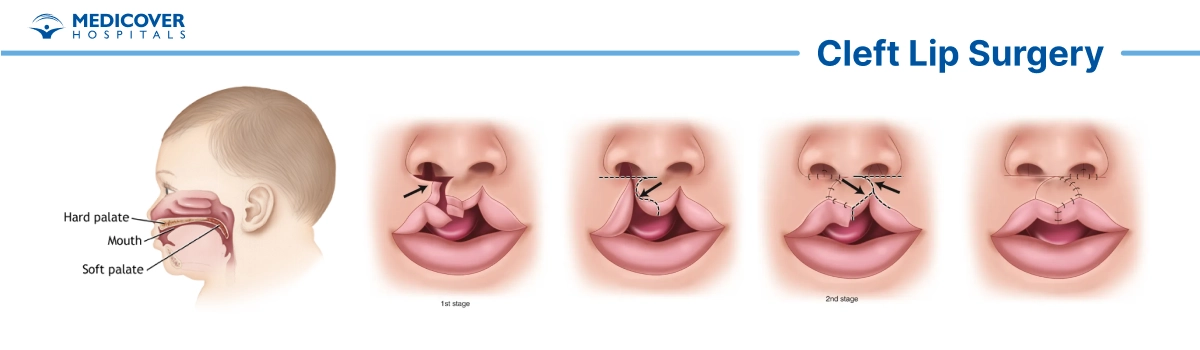
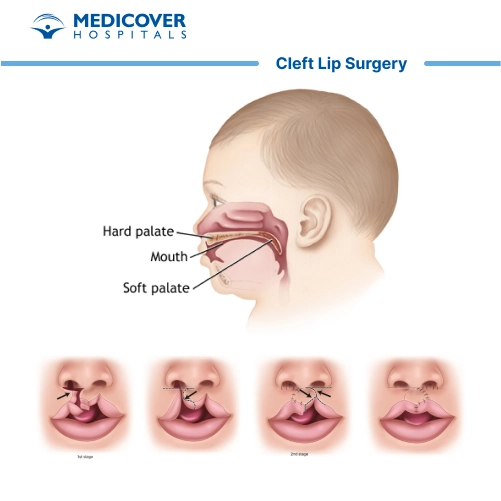
The cleft lip repair surgery is a carefully planned procedure carried out under strict safety protocols. The general steps include:
- Preparation: Before the surgery, the medical team evaluates the child's health and explains the surgical process, anesthesia and post-operative care to the family.
- Incision: The surgeon marks the area of the cleft and makes precise incisions to access the underlying tissues.
- Tissue Realignment: The muscles and tissues of the lip are repositioned to achieve proper alignment and facial symmetry.
- Tissue Closure: Fine, dissolvable sutures are used to close the incision, fill the gap and minimize visible scarring.
- Nasal Correction: If required, adjustments are made to the nasal tissues to improve appearance and breathing.
- Dressings & Bandages: A sterile dressing is placed to protect the surgical site as it heals.
In some cases, additional cleft lip and palate surgery may be performed later, depending on the severity of the condition.
What type of anaesthesia is used?
Cleft lip repair surgery is performed under general anaesthesia. This ensures that the child is completely asleep, does not feel pain and remains safe throughout the operation. A pediatric anesthesiologist continuously monitors the baby's vital signs.
How long does cleft lip surgery take?
The duration of the cleft lip surgery procedure depends on the complexity of the cleft:
- On average, the surgery lasts 1 to 3 hours.
- If both the lip and palate are being treated, it may take longer.
- After the operation, the child is observed in a recovery room before being moved to a ward or discharged, depending on the case.
Who Will Perform the Cleft Lip Surgery?
The treatment for cleft lip correction surgery involves a multidisciplinary team of medical professionals with expertise in various fields.
Given the complexity of the condition and the comprehensive care required, the following specialists typically play a role in the treatment and management of cleft lip surgery:
- Plastic Surgeon: Performs the cleft lip repair to restore function and appearance.
- Pediatric Surgeon: May assist in surgeries for infants or young children.
- Anesthesiologist: Provides anesthesia and monitors the patient during surgery.
- Pediatrician: Oversees the child's overall health and helps with pre- and post-surgery care.
- Orthodontist: Helps with teeth alignment and jaw issues if needed.
- Speech Therapist: Supports speech development and addresses any speech difficulties.
- ENT Specialist: Treats related ear, nose or throat problems.
- Genetic Counselor: Offers advice if the cleft lip is part of a genetic condition.
- Psychologist/Social Worker: Provides emotional support for the child and family.
- Nurses: Assist with care and recovery before, during and after the surgery.
Recovery After Cleft Lip Surgery
Recovery after cleft lip surgery is a vital stage in the treatment process. Proper care, monitoring and follow-up help ensure the best possible healing and long-term results.
How long does recovery take?
Recovery from cleft lip repair surgery varies depending on the child's age, overall health and whether the palate was also treated.
- Initial recovery: Most children recover from anesthesia and return home within 1-2 days of surgery.
- Healing period: Swelling and bruising around the surgical site usually improve within 1-2 weeks.
- Complete healing: The lip tissues continue to heal over several weeks, with scar maturation taking several months.
- Final results: The full outcome of the surgery both functional and cosmetic, becomes clearer within 6-12 months.
In cases involving cleft lip and palate surgery, recovery may take longer and additional procedures may be scheduled in stages as the child grows.
What should I expect immediately after the procedure?
In the hours right after cleft lip surgery procedure, your child will be monitored closely:
- Recovery Room Care: Vital signs (heart rate, breathing and oxygen levels) are carefully checked as the child wakes from anesthesia.
- Discomfort Management: Pain is controlled with prescribed medication to keep the child comfortable.
- Swelling & Bruising: Temporary swelling and bruising around the lip and nose are normal and typically resolve within 1-2 weeks.
- Feeding Guidance: Infants may experience some difficulty feeding due to lip soreness. The surgical team will provide safe feeding techniques and recommend soft diets or special bottles.
This stage is crucial for preventing complications and ensuring stability.
When can I return to normal activities?
Returning to daily life after cleft lip surgery happens gradually:
- First Few Days: Rest is most important. The child should avoid rubbing or touching the lip area.
- 1-2 Weeks: Light activities can be resumed once swelling decreases.
- 2-4 Weeks: Many children can return to daycare, school or play under guidance.
- Strenuous activities: Sports or rough play should be avoided for several weeks until the surgeon confirms it is safe.
Your surgeon will provide personalized recommendations based on your child's healing progress.
Are lifestyle changes required after Cleft Lip Surgery?
Yes, some adjustments are necessary to support healing and long-term success after cleft lip and palate after surgery:
Diet and Nutrition
- Soft Diet: Immediately after surgery, it's essential to follow a soft diet that is easy to chew and swallow to avoid putting excess strain on the surgical site.
- Hydration: Stay well-hydrated to support the healing process. Drinking water and staying hydrated can help with overall recovery.
Oral Hygiene
- Gentle Care: Practice gentle oral hygiene, avoiding vigorous brushing or flossing around the surgical area.
- Rinse: Depending on your doctor's recommendation, you might be advised to use a saline solution to rinse your mouth after eating to keep the surgical site clean.
Activity and Rest
- Rest: Adequate rest is crucial for healing. Avoid strenuous activities for the first few weeks after surgery to minimize the risk of complications.
- Activity Restrictions: Follow your doctor's guidance on when it's safe to resume physical activities and exercise.
Medications
- Pain Management: If prescribed, take pain medications as directed by your doctor to manage any discomfort during the initial recovery period.
- Antibiotics: If antibiotics are prescribed, make sure to take the full course as instructed to prevent infection.
Follow-Up Appointments
- Attend all scheduled follow-up appointments with your medical team to monitor your progress and address any concerns.
Wound Care
- Scar Management: If recommended by your doctor, use approved ointments or creams to gently massage the scar. This can help reduce scar tissue and improve the appearance over time.
Speech Therapy and Orthodontic Care
- Engagement: If speech therapy or orthodontic treatments are part of your recovery plan, actively participate in sessions and follow the recommendations provided by the specialists.
Hygiene and Dressing
- Wound Care: Follow the dressing and wound care instructions provided by your medical team to promote healing and prevent infection.
- Avoid Irritation: Refrain from engaging in activities or wearing clothing that may irritate the surgical site.
Scar Protection
- Sun Protection: If your scar will be exposed to the sun, consider using sunscreen to protect the area from sun damage.
Risks and Benefits of Cleft Lip
Parents preparing for cleft lip surgery often wonder about the potential outcomes, risks and side effects associated with the procedure. While modern surgical techniques make the procedure very safe, it's essential to understand both the benefits and the potential challenges.
What are the benefits of cleft lip surgery?
The benefits of the cleft lip surgery procedure are both functional and cosmetic. Key advantages include:
- Improved Appearance: The surgery restores a natural lip shape and facial symmetry.
- Better Feeding: Babies can latch and feed more effectively after the cleft is corrected.
- Speech Development: When combined with cleft lip and palate surgery, it supports clear speech and language development.
- Psychological Benefits: As children grow, they develop self-confidence, which helps reduce emotional and social challenges.
- Health Improvements: The procedure reduces the risk of ear infections, dental issues and breathing difficulties commonly associated with cleft conditions.
- Long-Term Quality of Life: Many families find reassurance in seeing cleft lip surgery before and after results that show dramatic improvements.
What are the risks and complications of cleft lip surgery?
Like any surgery, cleft lip repair surgery carries some risks. However, these are usually minimal when performed by experienced surgeons. Possible complications include:
- Infection: Can occur if wound care instructions are not followed.
- Bleeding: Generally minor, but excessive bleeding is rare.
- Scarring: A scar will form, but with modern techniques, it is often minimal and fades over time.
- Wound Healing Problems: In rare cases, stitches may come apart, requiring further treatment.
- Anesthesia Risks: Reactions to anesthesia are very uncommon but possible.
- Need for Additional Procedures: Some children may require further cleft lip and palate surgery or nasal correction as they grow.
What are the side effects of cleft lip surgery?
Most side effects after cleft lip surgery procedure are temporary and part of normal healing:
- Swelling and Bruising: Most noticeable during the first 1-2 weeks.
- Mild Pain or Discomfort: Controlled with prescribed medications.
- Tightness in the Lip: Common during early healing but improves with time.
- Feeding Challenges: Infants may experience some initial feeding difficulties.
- Temporary Numbness: Rarely, numbness may occur near the lip, but it usually resolves.
How much does cleft lip surgery cost in India?
Cleft lip surgery costs vary significantly, ranging from Rs. 30,000 to Rs. 75,000 in India, with costs potentially reaching up to Rs. 1 lakh for complex cases. However, some cases may be free through charitable organisations.
Factors influencing the cost include the surgeon's fee and expertise, hospital expenses, the extent of the cleft, diagnostic tests and necessary pre/post-operative care.
 040 68334455
 WhatsApp
 Patient Portal
 Home Care