 Call
Call Patient Reports
Best Hospital for Acute Lymphoblastic Leukemia Chemotherapy
At Medicover Hospitals, our team of oncologists, with qualifications like MS, DNB, MCh, and DM, provide chemotherapy for Acute Lymphoblastic Leukemia using advanced medical approaches. This treatment can result in shorter hospital stays, enhancing patient recovery across India.
Expert Specialists
Yearly Treatments
Patient Satisfaction
What is Chemotherapy for Acute Lymphoblastic Leukemia?
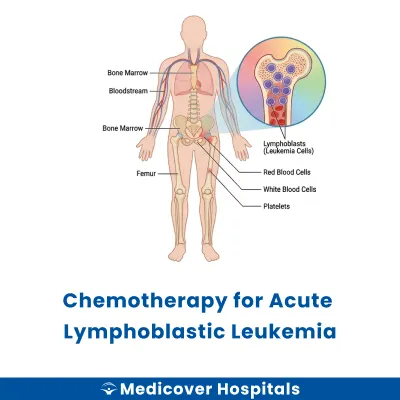
Chemotherapy for Acute Lymphoblastic Leukemia (ALL) involves using drugs to destroy cancer cells in the blood and bone marrow. The bone marrow is the soft tissue inside bones where blood cells are produced. Chemotherapy targets rapidly dividing cells, which include cancer cells, to stop their growth and spread.
This treatment is essential for managing ALL, a type of cancer affecting white blood cells. Without treatment, ALL can progress quickly, leading to severe health issues and potentially life-threatening situations. Modern approaches to chemotherapy for ALL include combination chemotherapy, where multiple drugs are used together, and targeted therapy, which focuses on specific cancer cell characteristics. These methods aim to improve treatment effectiveness and patient outcomes.
Chemotherapy for Acute Lymphoblastic Leukemia Doctors Near You
Discover experienced oncologists for chemotherapy in acute lymphoblastic leukaemia at Medicover Hospitals across India. Choose your city and book a consultation to explore treatment options tailored to your needs.
Why Choose Medicover Hospitals for Chemotherapy for Acute Lymphoblastic Leukemia?
Get a second opinion from trusted experts and makeconfident, informed decisions.
 Get Second Opinion
Complete Guide To Chemotherapy For Acute Lymphoblastic Leukemia
Everything you need to know about the procedure, preparation, and recovery
Chemotherapy for Acute Lymphoblastic Leukemia Procedure Indications
Doctors recommend chemotherapy for Acute Lymphoblastic Leukemia (ALL) when the disease is diagnosed or when symptoms significantly affect the patient's health. It is often the first line of treatment to target and destroy cancerous cells.
High White Blood Cell Count
Patients may experience fatigue, fever, or frequent infections. Blood tests reveal an abnormally high white blood cell count. When these levels are persistently elevated, chemotherapy is initiated to control the disease.
Bone Marrow Involvement
Symptoms like bone pain or easy bruising may occur. A bone marrow biopsy shows a high percentage of blast cells. When these findings are present, chemotherapy is necessary to reduce the leukemic cell burden.
Central Nervous System Symptoms
Patients might report headaches, vomiting, or vision changes. A lumbar puncture may show leukemic cells in the cerebrospinal fluid. Chemotherapy is required to prevent further CNS complications.
Failure of Initial Treatment
Some patients do not respond to initial treatments like steroids. Persistent symptoms and unchanged lab results indicate the need for chemotherapy as the next step.
Relapse After Remission
Patients who have been in remission might experience a return of symptoms such as fatigue or unexplained weight loss. Blood tests or bone marrow exams confirm the relapse, prompting the need for chemotherapy.
How to Prepare for Chemotherapy for Acute Lymphoblastic Leukemia?
Preparation for chemotherapy is crucial to ensure safety and effectiveness. It helps in managing side effects and improves the overall treatment experience.
- Medication Review: Stop NSAIDs, anticoagulants, and herbal supplements as advised by your doctor.
- Fasting Guidelines: Follow a fasting period of at least 6 hours before chemotherapy if sedation is required.
- Hydration: Drink plenty of water the day before to stay hydrated unless instructed otherwise.
- Comfortable Clothing: Wear loose, comfortable clothing to the hospital for ease during treatment.
- Transportation: Arrange for someone to drive you home post-treatment due to potential fatigue.
- Medication List: Bring a list of all current medications with dosages for your medical team.
- Dietary Adjustments: Follow any specific dietary instructions provided by your healthcare team.
- Emotional Support: Consider bringing a family member or friend for emotional support during the session.
Chemotherapy for Acute Lymphoblastic Leukemia Procedure (Step-by-Step)
Chemotherapy for Acute Lymphoblastic Leukemia (ALL) is performed by oncology specialists. The treatment duration varies, often spanning several months. It typically does not require anaesthesia, as it is administered intravenously or orally.
- Diagnosis and Planning: The oncologist confirms the ALL diagnosis through blood tests and bone marrow biopsy. A treatment plan is tailored based on the patient's health and cancer stage.
- Induction Therapy: The initial phase aims to kill most of the leukemia cells in the blood and bone marrow. Medications are administered intravenously using a catheter. Patients may feel fatigued and experience side effects like nausea.
- Consolidation Therapy: This phase targets any remaining leukemia cells. It involves higher doses of chemotherapy drugs. Patients continue to receive treatment through a catheter, often experiencing similar side effects.
- Maintenance Therapy: Lower doses of chemotherapy are given to prevent cancer recurrence. This phase can last for years. Medications may be taken orally or intravenously, with fewer side effects.
- Monitoring and Supportive Care: Regular follow-ups and blood tests are conducted to monitor progress. Supportive care is provided to manage side effects and maintain quality of life.
Who Performs Chemotherapy for Acute Lymphoblastic Leukemia Procedure?
Oncologists, who specialise in cancer treatment, perform chemotherapy for ALL. They are trained to administer chemotherapy drugs and manage any side effects. The oncology team works closely with nurses and other healthcare professionals to support the patient throughout the treatment process.
Recovery After Chemotherapy for Acute Lymphoblastic Leukemia Procedure
Recovery from chemotherapy for Acute Lymphoblastic Leukemia (ALL) can vary. Patients may experience fatigue, nausea, and a weakened immune system. It's important to follow medical advice and attend follow-up appointments for monitoring.
Day 1-3:
- Rest is crucial. Avoid strenuous activities.
- Consume light meals like khichdi or moong dal to ease digestion.
- Stay hydrated with water and clear soups.
Day 4-7:
- Gradually increase light activities as tolerated.
- Include curd and dal-rice in meals for protein and probiotics.
- Monitor for any signs of infection due to low immunity.
Day 8-14:
- Continue with balanced meals, incorporating fruits and vegetables.
- Engage in gentle exercises like walking, if energy permits.
- Consult the doctor before returning to work or school.
Phase 2: Week 3-6
- Energy levels may improve. Resume normal activities gradually.
- Maintain a nutritious diet with foods like soups, dals, and fresh juices.
- Regular blood tests and doctor visits are essential to monitor recovery.
When to Seek Urgent Help
- High fever or chills.
- Uncontrolled bleeding or bruising.
- Severe nausea or vomiting.
- Shortness of breath or chest pain.
- Persistent fatigue or weakness.
Contact your healthcare provider immediately if any of these symptoms occur.
Benefits of Chemotherapy for Acute Lymphoblastic Leukemia Procedure
Chemotherapy is a primary treatment for Acute Lymphoblastic Leukemia (ALL), aiming to destroy cancer cells and achieve remission.
- Effective Cancer Cell Targeting: Chemotherapy targets and kills rapidly dividing leukemia cells.
- Remission Induction: It helps in achieving remission, reducing the number of leukemia cells to undetectable levels.
- Prevention of Spread: Chemotherapy can prevent the spread of leukemia to other parts of the body.
- Combination Therapy: It can be combined with other treatments for enhanced effectiveness.
Risks and Complications of Chemotherapy for Acute Lymphoblastic Leukemia Procedure
While chemotherapy is crucial for treating ALL, it comes with potential risks and side effects. It's important to be aware of these to manage them effectively.
- Nausea and vomiting are frequent side effects during treatment.
- Hair loss often occurs as chemotherapy affects rapidly growing cells.
- Fatigue is a common experience due to the body's response to treatment.
- Heart damage may occur, particularly with certain chemotherapy drugs.
- Secondary cancers can develop years after treatment in some cases.
- Infertility might be a long-term effect for some patients.
Common Risks:
Rare Complications:
Cost of Chemotherapy for Acute Lymphoblastic Leukemia Procedure
The cost of chemotherapy for Acute Lymphoblastic Leukemia at Medicover Hospitals varies depending on the ward category. Prices range from Rs. 35,000 to Rs. 2,11,000 across different branches. The cost is influenced by the type of accommodation chosen, such as day care, general, or deluxe wards.
Medicover Hospitals offers transparent pricing and supports insurance and TPA services, including CGHS, ESI, and major TPAs. A cashless facility is also available. Please contact the hospital for the latest insurance panel details as these may change periodically.
Frequently Asked Questions
1. How much does Chemotherapy for Acute Lymphoblastic Leukemia procedure cost at Medicover Hospitals?
The cost of Chemotherapy for Acute Lymphoblastic Leukemia at Medicover Hospitals ranges from Rs.35,000 to Rs.2,11,000, depending on the treatment plan and facilities chosen.
2. Is Chemotherapy for Acute Lymphoblastic Leukemia procedure covered under health insurance at Medicover?
Chemotherapy for Acute Lymphoblastic Leukemia is often covered by CGHS, ESI, and major TPAs. Please contact the hospital for current panel details.
3. Will chemotherapy affect my child's growth?
Chemotherapy can impact growth in children with Acute Lymphoblastic Leukemia. Regular monitoring and follow-up are essential for managing potential growth issues.
4. Can chemotherapy cause hair loss in children?
Hair loss is a common side effect of chemotherapy for Acute Lymphoblastic Leukemia. Hair usually regrows after treatment completion.
5. What foods can help manage nausea during treatment?
Eating light meals like curd rice or khichdi can help manage nausea during chemotherapy for Acute Lymphoblastic Leukemia. Avoid spicy and oily foods.
6. Will my child need a central line for chemotherapy?
A central line is often used for administering chemotherapy in Acute Lymphoblastic Leukemia. It helps deliver medication efficiently and reduces needle pricks.
7. Can chemotherapy affect my child's immune system?
Chemotherapy can weaken the immune system in children with Acute Lymphoblastic Leukemia. Extra care is needed to prevent infections during treatment.


