 Call
Call Patient Reports
Cervical Laminectomy and Discectomy Surgery Hospital by Expert Orthopedics
At Medicover Hospitals, our skilled orthopaedic team, with qualifications like MS and DNB, performs cervical laminectomy and discectomy using the open surgical approach. This procedure effectively relieves spinal cord compression. Patients often experience shorter hospital stays and improved recovery times.
Expert Surgeons
Yearly Surgeries
Patient Satisfaction
What is Cervical Laminectomy and Discectomy?
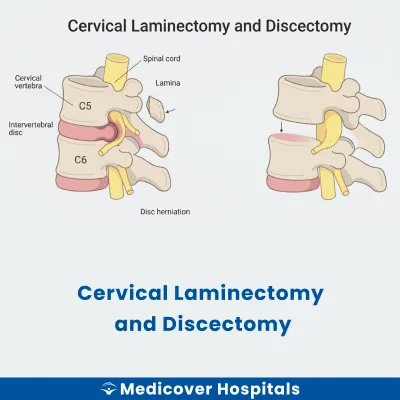
Cervical Laminectomy and Discectomy is a surgical procedure involving the neck region of the spine. The cervical spine consists of the vertebrae in the neck. In this surgery, the lamina (part of the vertebra) is removed to relieve pressure on the spinal cord or nerves. Additionally, a discectomy involves removing a damaged disc (cushion between vertebrae) to alleviate pain and restore function.
This surgery is often needed for conditions like herniated discs, spinal stenosis (narrowing of the spinal canal), or cervical spondylosis (age-related wear and tear). If untreated, these conditions can lead to chronic pain, numbness, or even paralysis. Modern surgical approaches include minimally invasive techniques, which aim to reduce recovery time and improve outcomes. Always consult a specialist for the most suitable treatment options.
Cervical Laminectomy and Discectomy Doctors Near You
Discover skilled orthopedics for cervical laminectomy and discectomy at Medicover Hospitals across India. Choose your city and book a consultation to explore treatment options tailored to your needs.
Why Choose Medicover Hospitals for Cervical Laminectomy and Discectomy?
Get a second opinion from trusted experts and makeconfident, informed decisions.
 Get Second Opinion
Complete Guide To Cervical Laminectomy And Discectomy
Everything you need to know about the procedure, preparation, and recovery
Cervical Laminectomy and Discectomy Surgery Indications
Doctors recommend cervical laminectomy and discectomy when conservative treatments fail to relieve symptoms. This procedure is often advised for conditions affecting the cervical spine that cause nerve compression.
Cervical Radiculopathy
Patients experience neck pain radiating to the arms, along with numbness or tingling. MRI or CT scans show nerve root compression. Surgery is considered when physical therapy and medications do not improve symptoms.
Cervical Myelopathy
Symptoms include difficulty walking, loss of hand coordination, and neck stiffness. Imaging reveals spinal cord compression. Surgery is recommended when symptoms progress despite non-surgical treatments.
Herniated Cervical Disc
Severe neck pain with arm weakness or numbness is common. MRI shows a herniated disc pressing on nerves. Surgery is advised when pain persists despite medication and physiotherapy.
Spinal Stenosis
Patients report neck pain and difficulty with balance. Imaging shows narrowing of the spinal canal. Surgery is considered when symptoms worsen and conservative methods are ineffective.
Degenerative Disc Disease
Chronic neck pain and stiffness are typical. X-rays or MRI indicate disc degeneration. Surgery is an option when pain management and lifestyle changes fail to provide relief.
How to Prepare for Cervical Laminectomy and Discectomy?
Proper preparation is crucial for a successful cervical laminectomy and discectomy. It helps in reducing complications and ensures a smooth recovery process.
- Medication Review: Stop NSAIDs, anticoagulants, and herbal supplements as advised by your doctor.
- Fasting: Follow the fasting guidelines. Typically, do not eat or drink anything 8 hours before the surgery.
- Pre-Surgical Tests: Complete any required blood tests or imaging studies as directed by your healthcare provider.
- Personal Items: Wear loose, comfortable clothing on the day of surgery and bring a list of your current medications with dosages.
- Transportation: Arrange for someone to drive you home post-surgery, as you will not be able to drive yourself.
- Home Preparation: Set up a comfortable resting area at home with easy access to essentials for post-operative recovery.
- Smoking and Alcohol: Avoid smoking and alcohol consumption for at least 24 hours before the procedure.
- Communication: Discuss any allergies or previous reactions to anaesthesia with your surgical team.
Cervical Laminectomy and Discectomy Surgery (Step-by-Step)
This procedure is performed at Medicover Hospital Orthopedics Department. It typically lasts 1-3 hours and is usually performed under general anesthesia.
- Preparation: The patient is positioned face down on the operating table. Vital signs are monitored. General anaesthesia is administered to ensure the patient is asleep and pain-free.
- Incision: A small incision, about 1-2 cm, is made at the back of the neck to access the cervical spine.
- Exposure: Muscles are gently moved aside using retractors. This exposes the vertebrae and the affected disc area.
- Laminectomy: The surgeon uses a curette or harmonic scalpel to carefully remove a portion of the lamina. This relieves pressure on the spinal cord.
- Discectomy: The damaged disc material is removed using surgical instruments like a coblation wand or bipolar cautery. This alleviates nerve compression.
- Closure: The incision is closed with sutures or staples. A sterile bandage is applied to protect the area.
- Recovery: The patient is moved to the recovery room. They are monitored as they wake up from anaesthesia. Pain management is provided as needed.
Who Performs Cervical Laminectomy and Discectomy Surgery?
This surgery is performed by orthopaedic surgeons who specialise in spine surgery. They have the expertise to handle complex spinal conditions and ensure the procedure is conducted safely. These specialists work with a team of healthcare professionals to provide comprehensive care throughout the surgical process.
Recovery After Cervical Laminectomy and Discectomy Surgery
Recovery from cervical laminectomy and discectomy surgery involves gradual healing and rehabilitation. Patients can expect to experience some discomfort initially, but this should improve over time. Adhering to post-operative instructions is crucial for a smooth recovery.
Day 1-3:
- Rest is essential. Limit movements to avoid strain on the neck.
- Consume soft, easily digestible foods like curd, dal-rice, and soups to aid digestion.
- Pain management with prescribed medications is important.
Day 4-7:
- Gradually increase light activities such as short walks.
- Continue with a balanced diet, including khichdi and moong dal, to maintain nutrition.
- Avoid lifting heavy objects or bending the neck excessively.
Week 2-4:
- Begin gentle neck exercises as advised by your physiotherapist.
- Return to work or school may be possible, depending on the nature of your activities.
- Maintain a diet rich in proteins and vitamins to support healing.
Week 5-8:
- Increase activity levels gradually, but avoid high-impact sports.
- Regular follow-up appointments to monitor recovery progress.
- Continue to follow dietary recommendations to ensure optimal recovery.
When to Seek Urgent Help
- Severe neck pain or sudden increase in pain.
- Signs of infection such as fever, redness, or discharge at the incision site.
- Numbness, tingling, or weakness in the arms or legs.
- Difficulty swallowing or breathing.
Benefits of Cervical Laminectomy and Discectomy Surgery
This surgery helps relieve pressure on the spinal cord and nerves, improving quality of life.
- Pain Relief: Reduces neck and arm pain caused by nerve compression.
- Improved Mobility: Enhances neck movement and overall flexibility.
- Nerve Function Restoration: Helps restore normal nerve function, reducing numbness and weakness.
- Prevention of Further Damage: Stops the progression of spinal cord or nerve damage.
Risks and Complications of Cervical Laminectomy and Discectomy Surgery
While generally safe, this surgery carries potential risks and complications.
- Infection: Risk of infection at the surgical site.
- Bleeding: Potential for excessive bleeding during or after surgery.
- Nerve Damage: Possibility of injury to surrounding nerves.
- Spinal Instability: Risk of instability in the cervical spine.
- Blood Clots: Formation of clots in the legs or lungs.
- Adverse Reaction to Anesthesia: Possible complications from anesthesia.
Cost of Cervical Laminectomy and Discectomy Surgery
The cost of Cervical Laminectomy and Discectomy Surgery at Medicover Hospitals ranges from Rs. 10,000 to Rs. 6,25,600. Prices vary based on the ward category chosen, such as outpatient, day care, general, and private rooms. We offer transparent pricing and support for insurance and TPA, including CGHS, ESI, and major TPAs. Cashless facilities are available for your convenience. Please contact the hospital for the latest insurance panel details as these may change periodically.
Frequently Asked Questions
1. How much does Cervical Laminectomy and Discectomy surgery cost at Medicover Hospitals?
The cost ranges from Rs. 10,000 to Rs. 6,25,600, depending on the type of care and facility chosen across Medicover Hospitals.
2. Is Cervical Laminectomy and Discectomy surgery covered under health insurance at Medicover?
Yes, it is often covered by CGHS, ESI, and major TPAs. Please contact the hospital for current panel details.
3. Will I have neck stiffness after cervical surgery?
Some patients experience temporary neck stiffness post-surgery. Gentle exercises and physiotherapy can help improve mobility over time.
4. Can I drive after Cervical Laminectomy and Discectomy?
Driving is usually not recommended for at least 2 weeks post-surgery. Consult your doctor for personalised advice based on your recovery.
5. What foods should I avoid after cervical surgery?
Avoid spicy and hard-to-digest foods; opt for soft options like curd, dal-rice, and khichdi. These help in maintaining comfort during recovery.
6. Will I need a neck brace after the surgery?
A neck brace may be recommended to support healing. Your doctor will advise based on your specific condition and recovery progress.
7. Is nerve damage possible after cervical surgery?
Nerve damage is a rare but potential complication. Discuss any concerns with your surgeon to understand the risks and preventive measures.


