 Call
Call Patient Reports
Cartilage Grafting Surgery by Expert Orthopedics
Cartilage grafting at Medicover Hospitals is performed using advanced open surgical techniques by our skilled orthopaedic surgeons with qualifications like MS and DNB. This procedure addresses joint damage effectively, leading to shorter hospital stays and improved recovery times for patients across India.
Expert Surgeons
Yearly Surgeries
Patient Satisfaction
What is Cartilage Grafting?
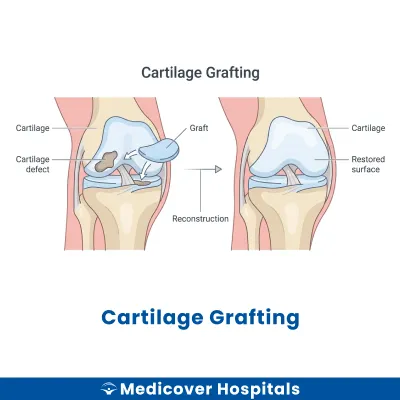
Cartilage grafting is a surgical procedure involving the repair or replacement of damaged cartilage. Cartilage is a flexible tissue found in joints, such as the knee, hip, or elbow. It acts as a cushion between bones. This procedure helps restore function and relieve pain by using grafts (transplanted tissue) to replace or repair the damaged cartilage.
This surgery is often needed for conditions like osteoarthritis or cartilage injuries. These conditions can cause pain, swelling, and reduced mobility. If left untreated, they may lead to joint damage and disability. Modern surgical approaches for cartilage grafting include autografts (using the patient's tissue), allografts (donor tissue), and synthetic grafts. Each method aims to restore joint function and improve quality of life.
Cartilage Grafting Doctors Near You
Discover experienced orthopedics for cartilage grafting at Medicover Hospitals across India. Choose your city and book a consultation to explore treatment options tailored to your needs.
Why Choose Medicover Hospitals for Cartilage Grafting?
Get a second opinion from trusted experts and makeconfident, informed decisions.
 Get Second Opinion
Complete Guide To Cartilage Grafting
Everything you need to know about the procedure, preparation, and recovery
Cartilage Grafting Surgery Indications
Doctors recommend cartilage grafting surgery when joint pain and dysfunction persist despite conservative treatments. This procedure helps restore joint function and alleviate symptoms in specific conditions.
Persistent Joint Pain
Patients experience chronic pain in the joint, often worsening with movement. Imaging may show cartilage damage or thinning. When pain relief methods like medication and physical therapy fail, surgery is considered.
Limited Joint Mobility
Patients report stiffness and reduced range of motion in the affected joint. Physical exams reveal restricted movement. If exercises and other therapies do not improve mobility, cartilage grafting may be advised.
Cartilage Lesions
Patients may feel a catching or locking sensation in the joint. MRI scans often show focal cartilage defects. When lesions do not heal with rest and non-surgical treatments, surgery becomes necessary.
Recurrent Swelling
Frequent joint swelling and inflammation are common complaints. Doctors find persistent effusion on examination. If anti-inflammatory medications and lifestyle changes do not reduce swelling, surgical intervention is needed.
Post-Traumatic Cartilage Damage
After an injury, patients experience ongoing joint pain and instability. X-rays or MRIs reveal cartilage damage. When rehabilitation and other non-surgical options fail, cartilage grafting is considered.
How to Prepare for Cartilage Grafting?
Proper preparation is crucial for a successful cartilage grafting procedure. It helps minimise risks and ensures a smooth recovery.
- Medication Review: Stop NSAIDs, anticoagulants, and herbal supplements at least a week before surgery.
- Fasting Guidelines: Fast for at least 8 hours prior to the procedure if general anaesthesia is used.
- Pre-Surgery Hygiene: Bathe with an antiseptic soap the night before and the morning of the surgery.
- Clothing: Wear loose, comfortable clothing on the day of the surgery for ease of movement post-procedure.
- Transportation: Arrange for someone to drive you home after the surgery as you may feel drowsy.
- Medication List: Bring a list of current medications, including dosages, for the medical team to review.
- Smoking and Alcohol: Avoid smoking and alcohol for at least 48 hours before the surgery to aid recovery.
- Follow Instructions: Adhere to any additional instructions provided by your healthcare provider.
Cartilage Grafting Surgery (Step-by-Step)
Overview: Cartilage grafting is performed by orthopedic surgeons. The procedure typically lasts 1-3 hours. It is usually done under general anaesthesia.
- Preparation: The patient is positioned comfortably on the operating table. General anaesthesia is administered to ensure the patient is asleep and pain-free.
- Incision: A small incision, usually 1-2 cm, is made at the site where the cartilage is to be grafted. This allows access to the joint area.
- Harvesting Cartilage: Using a curette or a harmonic scalpel, the surgeon carefully removes healthy cartilage from a non-weight-bearing area, such as the rib or behind the ear.
- Preparing the Site: The damaged cartilage area is cleaned and prepared. Instruments like a coblation wand may be used to smooth the surface and remove debris.
- Grafting the Cartilage: The harvested cartilage is shaped and placed into the prepared site. A trocar may be used to position the graft accurately.
- Securing the Graft: The graft is secured in place using sutures or fibrin glue. Bipolar cautery may be used to control any bleeding.
- Closure and Recovery: The incision is closed with sutures or staples. The patient is moved to the recovery room to wake up from anaesthesia.
Who Performs Cartilage Grafting Surgery?
Cartilage grafting is performed by orthopaedic surgeons. These specialists are trained in procedures involving bones, joints, and cartilage. They ensure the graft is placed and secured properly for optimal healing.
Recovery After Cartilage Grafting Surgery
Recovering from cartilage grafting surgery requires patience and adherence to your doctor's guidelines. The recovery process varies for each individual, but understanding the general timeline can help you prepare.
Day 1-3:
- Rest is crucial. Keep the affected area elevated to reduce swelling.
- Apply ice packs as advised to manage pain and swelling.
- Stick to a soft diet including curd, dal-rice, and soups to avoid strain.
Day 4-7:
- Continue with prescribed pain medications and follow-up appointments.
- Begin gentle movements as advised by your doctor to prevent stiffness.
- Include moong dal and khichdi in your meals for easy digestion and nutrition.
Week 2-4:
- Gradually increase activity levels, but avoid strenuous exercises.
- You may resume work or school if it doesn't involve physical exertion.
- Maintain a balanced diet with plenty of fluids to aid healing.
Month 1-3:
- Physical therapy may be recommended to restore full function.
- Engage in low-impact activities like swimming or cycling as advised.
- Continue to monitor your diet, focusing on protein-rich foods.
When to Seek Urgent Help:
- Severe pain or swelling that doesn't improve with medication.
- Signs of infection such as redness, warmth, or discharge at the surgical site.
- Sudden inability to move the affected area.
Benefits of Cartilage Grafting Surgery
Cartilage grafting surgery can help restore joint function and alleviate pain in damaged areas.
- Pain Relief: Reduces joint discomfort by repairing damaged cartilage.
- Improved Mobility: Enhances joint movement, allowing for better physical activity.
- Joint Preservation: Helps delay or prevent the need for joint replacement surgery.
- Natural Repair: Utilises the body's own cartilage, promoting natural healing.
Risks and Complications of Cartilage Grafting Surgery
While cartilage grafting is generally safe, like any surgery, it carries certain risks.
- Common: Swelling and stiffness in the operated area.
- Common: Pain at the graft site, which may require medication.
- Rare: Infection at the surgical site, needing further treatment.
- Rare: Graft failure, where the cartilage does not integrate as expected.
- Rare: Blood clots, which can be serious and require immediate attention.
- Rare: Nerve damage, leading to numbness or tingling.
Cost of Cartilage Grafting Surgery
The cost of cartilage grafting surgery at Medicover Hospitals ranges from Rs. 150,000 to Rs. 240,000. The price varies based on the ward category chosen, such as general, twin sharing, private, or deluxe suites.
We offer transparent pricing and support for insurance and TPA, including CGHS, ESI, and major TPAs. A cashless facility is also available for your convenience. Please contact the hospital for the latest insurance panel details as these may change periodically.
Frequently Asked Questions
1. How much does Cartilage Grafting surgery cost at Medicover Hospitals?
The cost of Cartilage Grafting surgery at Medicover Hospitals ranges from Rs. 150000 to Rs. 240000, depending on the type of room and care required.
2. Is Cartilage Grafting surgery covered under health insurance at Medicover?
Cartilage Grafting surgery may be covered by CGHS, ESI, and major TPAs for cashless treatment. Please contact the hospital for current panel details.
3. Will I have joint stiffness after cartilage grafting?
Joint stiffness is a common concern after cartilage grafting. Physiotherapy and regular movement can help improve flexibility and reduce stiffness over time.
4. Can I play sports after cartilage grafting?
Returning to sports is possible after cartilage grafting, but it usually takes several months. Consult your doctor for a personalised recovery plan.
5. What foods aid recovery after cartilage grafting?
Foods rich in protein and calcium, like dal-rice, curd, and leafy greens, support recovery. These help in tissue repair and bone health post-surgery.
6. Will I need crutches after cartilage grafting?
Crutches may be necessary after cartilage grafting to avoid putting weight on the joint. Your doctor will advise on the duration of use.
7. Can cartilage grafting fail or be rejected?
Cartilage grafting can occasionally fail if the graft does not integrate well. Regular follow-ups and adherence to post-operative care reduce this risk.


