 Call
Call Patient Reports
Carotid Angiography Procedure by Expert Interventional Radiology
Carotid Angiography at Medicover Hospitals is performed using advanced endoscopic techniques. Our team, with qualifications including MD, DNB, and EDIR, ensures precise diagnosis and treatment. This minimally invasive approach often results in shorter hospital stays and quicker recovery for patients.
Expert Experts
Yearly Procedures
Patient Satisfaction
What is Carotid Angiography?
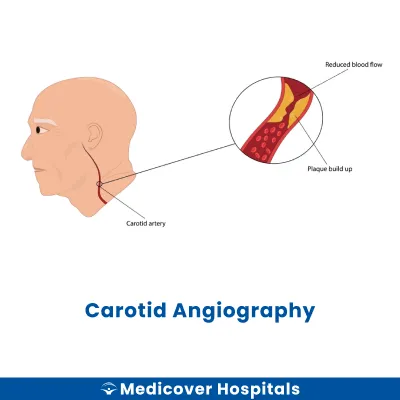
Carotid Angiography is a diagnostic procedure that visualises the carotid arteries. These are major blood vessels in the neck that supply blood to the brain. The procedure involves injecting a contrast dye into the bloodstream. This helps in capturing detailed images of the carotid arteries using X-ray imaging. It helps in assessing the blood flow and identifying any blockages or abnormalities.
This procedure is essential for detecting conditions like carotid artery stenosis (narrowing of the arteries) or aneurysms. If left untreated, these conditions can lead to serious complications such as strokes. Carotid Angiography helps in planning treatments like carotid endarterectomy or carotid artery stenting. These modern surgical approaches aim to restore proper blood flow and prevent potential risks.
Carotid Angiography Doctors Near You
Discover skilled interventional-radiology specialists at Medicover Hospitals across India. Choose your city and book a consultation for carotid angiography to ensure timely diagnosis and care.
Why Choose Medicover Hospitals for Carotid Angiography?
Get a second opinion from trusted experts and makeconfident, informed decisions.
 Get Second Opinion
Complete Guide To Carotid Angiography
Everything you need to know about the procedure, preparation, and recovery
Carotid Angiography Procedure Indications
Doctors recommend carotid angiography to evaluate blood flow in the carotid arteries. This procedure helps identify blockages or abnormalities that may lead to stroke or other complications.
Transient Ischemic Attacks (TIAs)
Patients may experience sudden weakness, numbness, or difficulty speaking. Doctors find temporary disruptions in blood flow to the brain. When symptoms persist or recur despite medication, angiography is advised.
Stroke Symptoms
Sudden severe headache, vision changes, or loss of balance can occur. Imaging may show reduced blood flow in the carotid arteries. If initial treatments do not improve symptoms, angiography is recommended.
Carotid Bruit
A whooshing sound heard over the carotid artery during a physical exam suggests turbulent blood flow. Ultrasound may reveal narrowing of the artery. Angiography is considered when non-invasive tests are inconclusive.
Severe Carotid Stenosis
Patients often have no symptoms, but imaging shows significant narrowing of the carotid artery. When lifestyle changes and medications fail to reduce risk, angiography is performed for further assessment.
Follow-up After Carotid Surgery
Patients may experience recurrent symptoms like dizziness or weakness. Post-surgical imaging may show changes in the artery. Angiography helps evaluate the success of previous interventions.
How to Prepare for Carotid Angiography?
Proper preparation is crucial for carotid angiography to ensure accurate results and minimise risks. Following these steps can help you be ready for the procedure.
- Medication Adjustment: Stop NSAIDs, anticoagulants, and herbal supplements as advised by your doctor.
- Fasting: Do not eat or drink anything for 6-8 hours before the procedure to prepare for anaesthesia.
- Medical History: Bring a list of all medications you are taking, including dosages, to inform the medical team.
- Allergy Information: Inform your doctor about any allergies, especially to contrast dye or iodine.
- Clothing: Wear loose, comfortable clothing on the day of the procedure for ease of movement.
- Transportation: Arrange for someone to drive you home after the procedure as you may feel drowsy.
- Pre-Procedure Tests: Complete any blood tests or imaging studies as instructed by your healthcare provider.
- Personal Items: Leave valuables at home and bring only essentials to the hospital.
Carotid Angiography procedure (Step-by-Step)
Overview: Carotid angiography is performed by interventional radiology specialists. The procedure typically lasts 1-2 hours and is usually done under local anaesthesia.
- Preparation: The patient is positioned on the examination table. The groin area is cleaned and sterilised. Local anaesthesia is administered to numb the area.
- Accessing the Artery: A small incision, about 1-2 cm, is made in the groin. A catheter is inserted into the femoral artery using a guide wire.
- Catheter Navigation: The catheter is carefully guided through the blood vessels to reach the carotid arteries in the neck. The patient may feel slight pressure but should not experience pain.
- Contrast Injection: A contrast dye is injected through the catheter. This may cause a warm sensation. The dye helps to highlight the carotid arteries on X-ray images.
- Imaging: X-ray images are taken to assess the blood flow and detect any blockages or abnormalities in the carotid arteries.
- Catheter Removal: The catheter is gently withdrawn. Pressure is applied to the incision site to prevent bleeding.
- Recovery: The patient is monitored for a few hours. Instructions for home care and activity restrictions are provided.
Who Performs Carotid Angiography procedure?
The procedure is performed by interventional radiologists. These specialists are trained in using imaging techniques to guide catheters and other instruments through blood vessels.
Recovery After Carotid Angiography Procedure
Carotid angiography is a minimally invasive procedure. Recovery is usually quick, but it's important to follow specific guidelines to ensure a smooth healing process. Here's what to expect during recovery.
Day 1:
- Rest is crucial. Avoid any strenuous activities.
- Keep the puncture site clean and dry. Follow any bandage care instructions provided by your healthcare team.
- Hydrate well. Drink plenty of water to help flush out the contrast dye used during the procedure.
Day 2-3:
- Gradually resume light activities. Avoid lifting heavy objects or bending over.
- Continue with a light diet. Include foods like curd, dal-rice, and moong dal, which are easy on the stomach.
- Monitor the puncture site for any signs of infection or bleeding.
Day 4-7:
- You may start to feel more energetic. However, avoid rigorous exercise until cleared by your doctor.
- Return to work or school if you feel comfortable, but avoid stress.
- Maintain a balanced diet. Include khichdi and soups for nourishment.
Phase 2 (Week 2 and Beyond):
- Resume normal activities gradually. Listen to your body and rest when needed.
- Continue with a healthy diet to support overall recovery.
- Follow up with your doctor as advised for further evaluation.
When to Seek Urgent Help:
- Severe headache or dizziness.
- Sudden weakness or numbness, especially on one side of the body.
- Difficulty speaking or understanding speech.
- Any signs of infection at the puncture site, such as redness, swelling, or pus.
Benefits of Carotid Angiography procedure
Carotid angiography is a valuable diagnostic tool for assessing the carotid arteries.
- Accurate Diagnosis: Provides detailed images of the carotid arteries, aiding in precise diagnosis.
- Early Detection: Helps in identifying blockages or narrowing early, potentially preventing strokes.
- Guides Treatment: Assists doctors in planning appropriate interventions or surgeries.
- Minimally Invasive: Involves a small incision, reducing recovery time compared to open surgery.
Risks and Complications of Carotid Angiography procedure
While generally safe, carotid angiography carries some risks, as with any medical procedure.
Common Risks
- Bruising or bleeding at the catheter insertion site.
- Allergic reaction to the contrast dye used during the procedure.
Rare Risks
- Stroke due to dislodgement of plaque during the procedure.
- Damage to the blood vessels, potentially requiring further treatment.
- Kidney damage from the contrast dye, especially in patients with pre-existing kidney issues.
Cost of Carotid Angiography procedure
The cost of a Carotid Angiography procedure at Medicover Hospitals varies depending on the ward category. Prices range from ₹5,400 to over ₹30,000. This range ensures that patients can choose a suitable option based on their needs and budget.
Medicover Hospitals offers transparent pricing and supports insurance and TPA services, including CGHS, ESI, and major TPAs. A cashless facility is also available for added convenience. Please contact the hospital for the latest insurance panel details as these may change periodically.
Frequently Asked Questions
1. How much does Carotid Angiography cost?
The Carotid Angiography procedure at Medicover Hospitals costs between ₹5,400 to over ₹30,000, depending on various factors.
2. Is Carotid Angiography covered under insurance?
Carotid Angiography may be covered by CGHS, ESI, and major TPAs with cashless options. Please contact the hospital for current panel details.
3. Will I feel dizzy after Carotid Angiography?
Some patients may experience dizziness after the procedure. It usually resolves within a few hours, but consult your doctor if it persists.
4. Can I drive immediately after Carotid Angiography?
It is advised to avoid driving for at least 24 hours post-procedure. Arrange for someone to drive you home from the hospital.
5. Is there a risk of stroke during the procedure?
While rare, there is a small risk of stroke during Carotid Angiography. Discuss potential risks with your doctor before the procedure.
6. What foods should I avoid after Carotid Angiography?
Avoid heavy and oily foods immediately after the procedure. Opt for light meals like dal-rice or khichdi to aid recovery.
7. Will my carotid artery heal completely?
The carotid artery usually heals well after angiography. Follow-up appointments are essential to monitor recovery and ensure optimal healing.


