 Call
Call Patient Reports
Best Hospital for Burr Hole Intracranial Abscess Surgery with Expert Neurosurgical Care
At Medicover Hospitals, our neurosurgeons, holding qualifications such as MS, MCh, and DNB, perform open Burr hole aspiration and evacuation for intracranial abscesses. This procedure helps in reducing intracranial pressure and infection. Patients often experience shorter hospital stays due to the effectiveness of this approach.
Expert Surgeons
Yearly Surgeries
Patient Satisfaction
What is Burr Hole Intracranial Abscess Surgery?
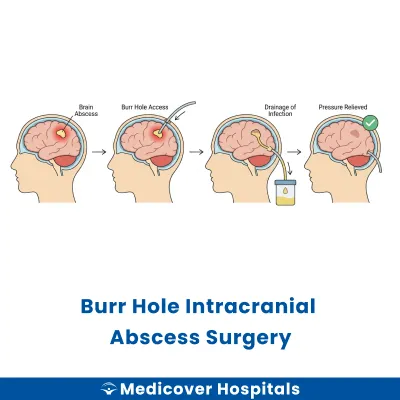
Burr hole intracranial abscess is a surgical procedure involving the brain. A burr hole is a small opening made in the skull. Through this opening, an abscess (a collection of pus) is drained. This helps relieve pressure and remove infection from the brain tissue.
This surgery is needed to treat brain abscesses. These can occur due to infections, trauma, or surgery. If left untreated, the abscess can cause severe complications like brain damage or even be life-threatening. Modern surgical approaches include image-guided techniques and minimally invasive methods. These help ensure precise targeting of the abscess for effective drainage.
Burr Hole Intracranial Abscess Surgery Doctors Near You
Find experienced neurosurgeons for Burr Hole Intracranial Abscess Surgery at Medicover Hospitals across India. Choose your city and book a consultation today for expert care.
Why Choose Medicover Hospitals for Burr Hole Intracranial Abscess Surgery?
Get a second opinion from trusted experts and makeconfident, informed decisions.
 Get Second Opinion
Complete Guide To Burr Hole Intracranial Abscess Surgery
Everything you need to know about the procedure, preparation, and recovery
Burr Hole Intracranial Abscess Surgery Indications
Doctors recommend burr hole aspiration and evacuation when an intracranial abscess poses a significant risk to the patient's health. This procedure is considered when symptoms are severe or when other treatments do not provide relief.
Severe Headache and Neurological Deficits
Patients may experience intense headaches and neurological symptoms like weakness or numbness. Imaging tests such as CT or MRI scans reveal an abscess causing pressure on brain tissue. When medications fail to alleviate symptoms, surgery is necessary.
Altered Mental Status
Confusion, lethargy, or changes in consciousness can signal an intracranial abscess. Doctors find these symptoms concerning, especially if imaging shows a growing abscess. Surgery is advised when these symptoms worsen despite medical treatment.
Seizures
New-onset seizures or worsening of existing seizures can indicate an abscess. EEG and imaging confirm the presence of an abscess affecting brain function. If anti-seizure medications are ineffective, surgical intervention is required.
Persistent Fever and Infection Signs
Continuous fever and signs of infection, like elevated white blood cell count, suggest an abscess. Blood tests and imaging confirm the diagnosis. When antibiotics do not resolve the infection, surgery becomes the option.
Failure of Antibiotic Therapy
Patients on antibiotics may not see improvement, indicating a resistant or inaccessible abscess. Imaging shows the abscess remains unchanged or grows. Surgery is considered when antibiotics alone are insufficient.
How to Prepare for Burr Hole Intracranial Abscess Surgery?
Proper preparation is crucial for the success and safety of the burr hole aspiration and evacuation procedure. It helps minimise complications and ensures a smoother recovery.
- Medication Review: Stop NSAIDs, anticoagulants, and herbal supplements as advised by your doctor.
- Fasting: Do not eat or drink for at least 8 hours before the procedure to prepare for general anaesthesia.
- Medical History: Bring a list of all medications with dosages and any allergies to the hospital.
- Clothing: Wear loose, comfortable clothing on the day of the procedure.
- Transportation: Arrange for someone to drive you home post-procedure, as you may feel drowsy.
- Pre-operative Tests: Complete any required blood tests or imaging studies before the surgery.
- Consent Form: Ensure you understand the procedure and sign the consent form after discussing with your doctor.
- Personal Items: Leave valuables at home and bring only essentials to the hospital.
Burr Hole Intracranial Abscess Surgery (Step-by-Step)
This procedure is performed by neurosurgeons. It typically lasts between 1 to 2 hours and is done under general anaesthesia.
- Preparation: The patient is positioned on the operating table. The head is secured to prevent movement. The scalp is cleaned and sterilised.
- Incision: A small incision of about 1-2 cm is made on the scalp. This allows access to the skull.
- Burr Hole Creation: A surgical drill is used to create a small hole in the skull. This hole provides access to the abscess.
- Aspiration: A trocar is inserted through the burr hole. The abscess is located using imaging guidance. Pus is aspirated using a syringe attached to the trocar.
- Evacuation: The cavity is washed with saline to ensure complete removal of the abscess material. A curette may be used to scrape any remaining debris.
- Closure: The burr hole is covered with a bone flap or left open for drainage. The incision is closed with sutures or staples.
- Recovery: The patient is monitored in the recovery room. Pain management and antibiotics are administered as needed.
Who Performs Burr Hole Intracranial Abscess Surgery?
This surgery is performed by neurosurgeons. They are specialists trained in the diagnosis and surgical treatment of disorders affecting the nervous system, including the brain and spine.
Recovery After Burr Hole Brain Abscess Surgery
Recovery from Burr hole intracranial abscess surgery involves gradual healing and careful monitoring. Patients may experience some discomfort and fatigue initially, but these typically improve over time. Follow your doctor's advice for a smooth recovery.
Day 1-3:
- Rest is crucial. Avoid any strenuous activities.
- Hospital stay is usually required for monitoring.
- Pain management and antibiotics are administered as prescribed.
Day 4-7:
- Gradual increase in light activities as tolerated.
- Begin with a soft diet including curd, dal-rice, and soups.
- Regular follow-up appointments for wound care and monitoring.
Day 8-14:
- Continue with light activities; avoid bending or heavy lifting.
- Introduce more solid foods like khichdi and moong dal.
- Consult your doctor about resuming work or school, usually after 2 weeks.
Phase: 2-4 Weeks:
- Gradual return to normal activities, but avoid high-impact exercises.
- Maintain a balanced diet to support recovery.
- Regular check-ups to ensure proper healing.
When to Seek Urgent Help:
- Severe headache or sudden increase in pain.
- Fever or signs of infection at the incision site.
- Confusion, seizures, or any neurological changes.
Benefits of Burr Hole Intracranial Abscess Surgery
This procedure is crucial for treating intracranial abscesses, helping to alleviate symptoms and prevent complications.
- Symptom Relief: Quickly reduces pressure and alleviates symptoms like headaches and neurological deficits.
- Infection Control: Helps in effectively draining the abscess, reducing infection spread.
- Minimally Invasive: Involves a small incision, leading to quicker recovery times.
- Improved Outcomes: Enhances the chances of recovery by directly addressing the abscess.
Risks and Complications of Burr hole aspiration and evacuation of intracranial abscess Surgery
While generally safe, this procedure carries certain risks and potential complications.
- Common: Infection at the surgical site can occur, requiring further treatment.
- Common: Bleeding may happen during or after the procedure.
- Rare: Neurological damage, though uncommon, can result from the surgery.
- Rare: Seizures might occur post-surgery, necessitating additional management.
- Rare: Recurrence of the abscess may require further intervention.
- Rare: Cerebrospinal fluid leakage is a potential risk.
What is the Cost of Burr Hole Intracranial Abscess Surgery?
The cost of Burr Hole Intracranial Abscess Surgery at Medicover Hospitals ranges from Rs. 302,500 to Rs. 363,000, depending on the surgical approach, hospital stay, room category, diagnostics, and post-operative care. We offer transparent pricing with insurance and TPA support, including CGHS, ESI, and major TPAs, with cashless facility available. Please contact the hospital for the latest insurance panel details.
Frequently Asked Questions
1. How much does Burr hole intracranial abscess surgery cost at Medicover Hospitals?
Please contact Medicover Hospitals for detailed cost information. Burr Hole Intracranial Abscess Surgery costs range from Rs. 302,500 to Rs. 363,000, depending on individual cases and requirements.
2. Is Burr hole intracranial abscess surgery covered under health insurance at Medicover?
Many health insurance plans, including CGHS and ESI, may cover this procedure. Please contact the hospital for current panel details.
3. Can the abscess come back after burr hole drainage?
There is a possibility of recurrence if the underlying infection is not fully resolved. Regular follow-ups are essential to monitor and prevent recurrence.
4. Will I experience headaches after the procedure?
Some patients may experience headaches post-surgery, which usually subside with medication. Consult your doctor if headaches persist or worsen.
5. Can I resume physical activities after surgery?
Light activities can usually be resumed after a few weeks, but strenuous activities should be avoided for at least a month. Consult your doctor for personalized advice.
6. What diet should I follow post-surgery?
A soft diet including curd, dal-rice, and khichdi is recommended initially. Gradually reintroduce regular foods as advised by your healthcare provider.
7. Are seizures a risk after this surgery?
Seizures can occur as a complication, especially if the brain tissue was affected. Medication and regular monitoring can help manage this risk effectively.


