 Call
Call Patient Reports
Best Hospital for Burr Hole Evacuation of Chronic Subdural Hematoma with Advanced Neurosurgical Care
At Medicover Hospitals, our neurosurgeons, with qualifications like MS and MCh, perform the open surgical approach for Burr Hole Evacuation of Chronic Subdural Hematoma. This procedure helps in reducing intracranial pressure and often results in shorter hospital stays for patients.
Expert Surgeons
Yearly Surgeries
Patient Satisfaction
What is Burr Hole Evacuation of Chronic Subdural Hematoma Surgery?
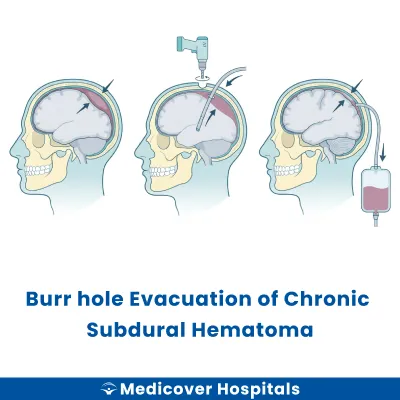
Burr Hole Evacuation of Chronic Subdural Hematoma is a surgical procedure involving the brain. It involves creating small holes in the skull (burr holes) to remove a collection of blood (hematoma) that has accumulated over time beneath the outer covering of the brain (dura mater). This procedure helps relieve pressure on the brain and restore normal function.
This surgery is necessary when a chronic subdural hematoma causes symptoms like headaches, confusion, or weakness. Such conditions often arise from head injuries, especially in older adults. If left untreated, the hematoma can lead to severe brain damage or even be life-threatening. Modern surgical approaches for this procedure include minimally invasive techniques, which aim to reduce recovery time and complications.
Burr Hole Evacuation of Chronic Subdural Hematoma Doctors Near You
Discover expert neurosurgeons for burr hole evacuation of chronic subdural hematoma at Medicover Hospitals. Choose your city and book a consultation to receive specialised care across India.
Why Choose Medicover Hospitals for Burr Hole Evacuation of Chronic Subdural Hematoma?
Get a second opinion from trusted experts and makeconfident, informed decisions.
 Get Second Opinion
Complete Guide To Burr Hole Evacuation Of Chronic Subdural Hematoma
Everything you need to know about the procedure, preparation, and recovery
Burr Hole Evacuation of Chronic Subdural Hematoma Surgery Indications
Doctors recommend burr hole evacuation for chronic subdural hematoma when symptoms persist or worsen despite conservative treatment. This procedure is often necessary to relieve pressure on the brain caused by accumulated blood.
Persistent Headache
Patients may experience continuous or worsening headaches. These headaches are often resistant to pain relief medications. Imaging tests like CT or MRI reveal a chronic subdural hematoma, indicating the need for surgical intervention.
Neurological Deficits
Symptoms such as weakness, numbness, or difficulty speaking can occur. These deficits are due to pressure on the brain. When these symptoms do not improve with medication, surgery is considered.
Altered Mental Status
Confusion, memory problems, or changes in behaviour can be signs of a chronic subdural hematoma. If these symptoms persist or worsen, imaging confirms the hematoma, and surgery is recommended.
Seizures
Some patients may experience seizures due to the pressure on the brain. If seizures are not controlled with medication, and imaging shows a hematoma, surgical evacuation is advised.
Increased Intracranial Pressure
Symptoms like nausea, vomiting, or drowsiness can indicate increased pressure in the skull. When imaging confirms a hematoma causing this pressure, and symptoms do not resolve with medical treatment, surgery is necessary.
Failure of Conservative Management
When symptoms persist despite medication and rest, and imaging shows no reduction in hematoma size, burr hole evacuation becomes the preferred treatment option.
How to Prepare for Burr Hole Evacuation of Chronic Subdural Hematoma?
Proper preparation is crucial for the success and safety of burr hole evacuation. It helps minimize risks and ensures a smoother recovery process.
- Medication Review: Stop NSAIDs, anticoagulants, and herbal supplements as advised by your doctor.
- Fasting Guidelines: Fast for at least 8 hours before the procedure. This is essential for anaesthesia safety.
- Pre-Surgery Tests: Complete all required blood tests and imaging studies as instructed by your healthcare team.
- Personal Items: Wear loose, comfortable clothing on the day of surgery. It helps ease movement post-surgery.
- Transportation: Arrange for someone to drive you home after the procedure. Anaesthesia effects can linger.
- Medication List: Bring a list of your current medications, including dosages, to the hospital.
- Smoking and Alcohol: Avoid smoking and alcohol for at least 24 hours before surgery to reduce complications.
- Pre-Op Consultation: Attend all scheduled pre-operative consultations to discuss any concerns with your surgeon.
Burr Hole Evacuation of Chronic Subdural Hematoma Surgery (Step-by-Step)
This procedure is performed by neurosurgeons. It typically lasts 1-2 hours and is done under general anaesthesia.
- Preparation: The patient is positioned on the operating table. The head is stabilised. The scalp area is cleaned and sterilised.
- Incision: A small incision of about 1-2 cm is made on the scalp. This allows access to the skull.
- Burr Hole Creation: A surgical drill is used to create a small hole in the skull. This is known as a burr hole.
- Membrane Opening: The dura mater, the outer membrane covering the brain, is carefully opened using a curette. This exposes the hematoma.
- Hematoma Evacuation: The accumulated blood is gently washed out using saline irrigation. A suction device may be used to assist in removal.
- Closure: The dura mater is repositioned. The scalp incision is closed with sutures or staples.
- Post-Procedure Care: The patient is monitored in the recovery room. Vital signs are checked. Pain management is provided as needed.
Who Performs Burr Hole Evacuation of Chronic Subdural Hematoma Surgery?
This surgery is performed by neurosurgeons. They are specialists trained in surgical procedures involving the brain and nervous system. Their expertise ensures the procedure is conducted with precision and care.
Recovery After Burr Hole Evacuation of Chronic Subdural Hematoma Surgery
Recovery from burr hole evacuation involves gradual healing and monitoring. It's essential to follow your doctor's advice for a smooth recovery process. Expect some fatigue and mild discomfort initially, which should improve over time.
Day 1-3:
- Rest is crucial. Avoid any strenuous activities.
- Hospital stay for monitoring vital signs and neurological status.
- Fluid intake is important. Start with light meals like soups and moong dal.
Day 4-7:
- Gradually increase activity levels. Short walks are encouraged.
- Continue with a soft diet. Include curd, dal-rice, and khichdi.
- Attend follow-up appointments as scheduled.
Week 2-4:
- Resume light household activities. Avoid heavy lifting or bending.
- Return to work or school may be possible, depending on recovery.
- Maintain a balanced diet. Hydration is key.
Phase 2: Month 1-3:
- Gradually resume normal activities. Listen to your body.
- Regular check-ups to monitor recovery progress.
- Continue with a nutritious diet. Include plenty of fruits and vegetables.
When to Seek Urgent Help
- Sudden severe headache or confusion.
- Weakness or numbness in limbs.
- Seizures or loss of consciousness.
- Persistent nausea or vomiting.
If you experience any of these symptoms, contact us immediately.
Benefits of Burr Hole Evacuation of Chronic Subdural Hematoma Surgery
Burr hole evacuation is a surgical procedure aimed at relieving pressure on the brain caused by chronic subdural hematoma.
- Rapid Symptom Relief: This procedure can quickly alleviate symptoms such as headaches and confusion.
- Minimally Invasive: The surgery involves small incisions, leading to faster recovery times.
- Improved Neurological Function: Patients often experience significant improvements in cognitive and motor functions.
- Reduced Hospital Stay: The less invasive nature of the procedure may result in shorter hospitalisation.
Risks and Complications of Burr Hole Evacuation of Chronic Subdural Hematoma Surgery
While generally safe, burr hole evacuation carries some risks and potential complications.
- Recurrence of the hematoma, requiring further intervention.
- Infection at the surgical site, which may need antibiotic treatment.
- Seizures post-surgery, which may require medication.
- Bleeding in the brain, potentially necessitating additional surgery.
- Neurological deficits, such as weakness or speech difficulties.
- Blood clots, which may require medical management.
What is the Cost of Burr Hole Evacuation of Chronic Subdural Hematoma Surgery
The cost of Burr Hole Evacuation for Chronic Subdural Hematoma Surgery at Medicover Hospitals ranges from Rs. 58,064 to Rs. 3,55,000, depending on the surgical approach, hospital stay, room category, diagnostics, and post-operative care.
We offer transparent pricing with insurance and TPA support, including CGHS, ESI, and major TPAs, with cashless facility available. Please contact the hospital for the latest insurance panel details.
Frequently Asked Questions
1. How much does Burr Hole Evacuation of Chronic Subdural Hematoma surgery cost at Medicover Hospitals?
The cost of Burr Hole Evacuation of Chronic Subdural Hematoma Surgery ranges from Rs. 58,064 to Rs. 3,55,
2. Please contact Medicover Hospitals for detailed pricing information. 2. Is Burr Hole Evacuation of Chronic Subdural Hematoma surgery covered under health insurance at Medicover?
Burr Hole Evacuation may be covered by CGHS, ESI, and major TPAs. Please contact the hospital for current panel details.
3. What organ is involved in this surgery?
The surgery involves the brain, specifically targeting the subdural space to remove hematoma. This helps relieve pressure on the brain.
4. Can headaches persist after the surgery?
Some patients may experience headaches post-surgery. These usually subside as recovery progresses.
5. Will I need to avoid certain activities?
Yes, avoid strenuous activities like heavy lifting for a few weeks. Consult your doctor for personalized advice.
6. What dietary changes are needed post-surgery?
Post-surgery, a light diet including dal-rice, khichdi, and curd is recommended. Avoid spicy and oily foods for a smooth recovery.
7. Is there a risk of re-bleeding?
There is a small risk of re-bleeding after the procedure. Regular follow-ups are essential to monitor recovery.


