 Call
Call Patient Reports
Best Hospital for Bilateral Partial Turbinectomy Surgery by Expert ENT Specialists
Bilateral Partial Turbinectomy at Medicover Hospitals is performed using advanced endoscopic techniques by skilled ENT surgeons with qualifications like MS and DNB. This approach helps in reducing nasal obstruction and improving breathing. The procedure typically results in smaller incisions and reduced blood loss.
Expert Surgeons
Yearly Surgeries
Patient Satisfaction
What is Bilateral Partial Turbinectomy?
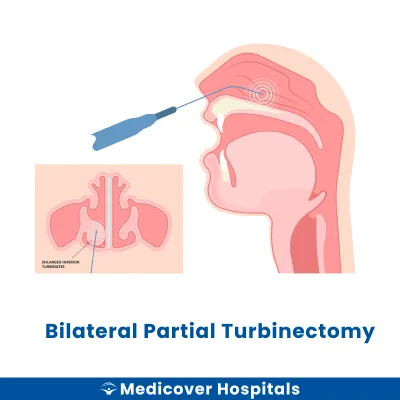
Bilateral Partial Turbinectomy is a surgical procedure involving the removal of a portion of the turbinates. Turbinates are structures inside the nose that help filter and humidify the air we breathe. This procedure is performed on both sides of the nose (bilateral) to improve airflow and alleviate nasal obstruction.
This surgery is needed for conditions like chronic nasal congestion, nasal polyps, or turbinate hypertrophy (enlarged turbinates). If left untreated, these conditions can lead to breathing difficulties, sleep disturbances, or sinus infections. Modern surgical approaches for Bilateral Partial Turbinectomy include endoscopic techniques and radiofrequency ablation. These methods aim to reduce recovery time and improve surgical outcomes. Always consult a healthcare professional for advice tailored to your condition.
Bilateral Partial Turbinectomy Doctors Near You
Discover skilled ENT specialists for bilateral partial turbinectomy at Medicover Hospitals across India. Choose your city and book a consultation to address your nasal concerns effectively.
Why Choose Medicover Hospitals for Bilateral Partial Turbinectomy?
Get a second opinion from trusted experts and makeconfident, informed decisions.
 Get Second Opinion
Complete Guide To Bilateral Partial Turbinectomy
Everything you need to know about the procedure, preparation, and recovery
Bilateral Partial Turbinectomy Surgery Indications
Bilateral Partial Turbinectomy is recommended when enlarged turbinates cause persistent nasal obstruction. This procedure helps improve airflow and alleviate symptoms when other treatments have not been effective.
Chronic Nasal Obstruction
Patients experience difficulty breathing through the nose, often worsening at night. Examination reveals swollen turbinates blocking nasal passages. When decongestants and nasal sprays fail to provide relief, surgery is considered.
Recurrent Sinus Infections
Frequent sinus infections cause facial pain and pressure. Imaging may show blocked sinus drainage pathways due to enlarged turbinates. If antibiotics and other treatments do not reduce infection frequency, surgery becomes necessary.
Allergic Rhinitis
Persistent sneezing, runny nose, and congestion are common symptoms. Allergy tests may confirm triggers, but medications and avoidance strategies may not suffice. Surgery is an option when symptoms severely impact quality of life.
Sleep Apnea
Patients report snoring and interrupted sleep. Sleep studies might reveal obstructive patterns linked to nasal blockage. When CPAP or other interventions are ineffective, surgery is considered to improve airflow.
Nasal Polyps
Symptoms include nasal congestion and reduced sense of smell. Endoscopic examination may show polyps contributing to turbinate enlargement. Surgery is advised when medical management does not shrink the polyps.
Please contact the hospital for current details as insurance panels may change.
How to Prepare for Bilateral Partial Turbinectomy?
Proper preparation is crucial for a smooth Bilateral Partial Turbinectomy. It helps reduce risks and ensures a quicker recovery. Follow these steps to prepare effectively.
- Medication Review: Stop NSAIDs, anticoagulants, and herbal supplements at least a week before surgery, as advised by your doctor.
- Fasting Guidelines: Do not eat or drink anything for at least 8 hours before the procedure to ensure safety during anaesthesia.
- Nasal Preparations: Use prescribed nasal sprays as directed to reduce inflammation and improve surgical outcomes.
- Comfortable Clothing: Wear loose, comfortable clothing on the day of the surgery for ease of movement post-procedure.
- Transportation Arrangements: Arrange for someone to drive you home after the surgery, as you may feel drowsy from the anaesthesia.
- Medication List: Bring a list of all medications you are currently taking, including dosages, to inform your healthcare team.
- Pre-Surgery Consultation: Attend all pre-surgery appointments to discuss any concerns and receive specific instructions from your surgeon.
- Rest and Relaxation: Ensure you get adequate rest before the surgery to help your body cope with the procedure.
Bilateral Partial Turbinectomy Surgery (Step-by-Step)
This procedure is performed by an ENT specialist. It typically lasts between 30 to 60 minutes. General anaesthesia is usually administered to ensure the patient is comfortable and pain-free.
- Preparation: The patient is positioned comfortably. General anaesthesia is administered to ensure they are asleep and do not feel any pain during the procedure.
- Accessing the Nasal Cavity: A nasal speculum is used to gently open the nostrils. This provides the surgeon with a clear view of the nasal cavity.
- Exposing the Turbinates: A small incision, typically 1-2 cm, is made to access the turbinates. The surgeon uses a nasal endoscope to visualize the area.
- Partial Removal: The surgeon uses instruments like a curette or coblation wand to carefully remove a portion of the turbinates. This helps in reducing nasal obstruction.
- Controlling Bleeding: Bipolar cautery may be used to control any bleeding. This ensures a clear surgical field and minimizes post-operative bleeding.
- Closing the Incision: The incision is left to heal naturally. In some cases, absorbable packing may be placed to support healing and reduce bleeding.
- Recovery: The patient is moved to a recovery area. They are monitored as they wake up from anaesthesia, experiencing minimal discomfort.
Who Performs Bilateral Partial Turbinectomy Surgery?
An ENT (Ear, Nose, and Throat) specialist, also known as an otolaryngologist, performs this surgery. They are trained in managing conditions related to the nasal passages and sinuses.
Recovery After Bilateral Partial Turbinectomy Surgery
Recovery from bilateral partial turbinectomy surgery involves gradual healing and adaptation. Patients can expect some nasal congestion and mild discomfort initially. It's important to follow the surgeon's instructions for a smooth recovery.
Day 1-3:
- Rest is crucial. Avoid strenuous activities.
- Expect nasal congestion and mild bleeding.
- Soft diet recommended. Include curd, dal-rice, and soups.
- Stay hydrated. Drink plenty of water.
Day 4-7:
- Swelling and congestion may persist but should gradually decrease.
- Continue with a soft diet. Khichdi and moong dal are good options.
- Avoid blowing your nose.
- Light activities can be resumed, but avoid bending or lifting heavy objects.
Day 8-14:
- Most patients feel significantly better.
- Normal diet can be resumed gradually, but avoid spicy foods.
- Return to work or school is possible, depending on individual recovery.
- Continue to avoid strenuous exercise.
Phase 3 (Week 3-4):
- Full recovery is expected for most patients.
- Regular activities can be resumed, including exercise.
- Follow-up appointments are important to monitor healing.
When to Seek Urgent Help:
- Severe bleeding or persistent nosebleeds.
- High fever or signs of infection.
- Severe pain not relieved by medication.
- Sudden vision changes or severe headache.
Benefits of Bilateral Partial Turbinectomy Surgery
Bilateral Partial Turbinectomy is a surgical procedure aimed at improving nasal airflow by reducing the size of the turbinates.
- Improved Breathing: Helps alleviate nasal obstruction, enhancing overall breathing quality.
- Reduced Nasal Congestion: Decreases chronic nasal congestion, providing relief from persistent stuffiness.
- Better Sleep Quality: By improving airflow, it can lead to more restful sleep and reduce snoring.
- Enhanced Sense of Smell: May improve olfactory function by clearing nasal passages.
Risks and Complications of Bilateral Partial Turbinectomy Surgery
While generally safe, Bilateral Partial Turbinectomy carries some risks and potential complications.
- Common: Bleeding during or after the procedure.
- Common: Temporary nasal dryness or crusting.
- Rare: Infection at the surgical site.
- Rare: Changes in nasal sensation or smell.
- Rare: Adhesions or scar tissue formation in the nasal cavity.
- Rare: Persistent nasal obstruction if the reduction is insufficient.
Cost of Bilateral Partial Turbinectomy Surgery
The cost of Bilateral Partial Turbinectomy Surgery at Medicover Hospitals ranges from Rs. 120,000 to Rs. 192,000. The price varies depending on the ward category chosen. We offer transparent pricing and support for insurance and TPA, including CGHS, ESI, and major TPAs. Cashless facilities are available for your convenience. Please contact the hospital for the latest insurance panel details as these may change periodically.
Frequently Asked Questions
1. How much does Bilateral Partial Turbinectomy surgery cost at Medicover Hospitals?
The cost ranges from Rs. 120000 to Rs. 192000 across Medicover Hospitals. Prices vary based on room type and care level.
2. Is Bilateral Partial Turbinectomy surgery covered under health insurance at Medicover?
Yes, it is often covered by CGHS, ESI, and major TPAs with cashless options. Please contact the hospital for current panel details.
3. Will I have difficulty breathing after Bilateral Partial Turbinectomy?
Some patients experience temporary nasal congestion post-surgery. Breathing typically improves within a few weeks as healing progresses.
4. Can I blow my nose after Bilateral Partial Turbinectomy?
Avoid blowing your nose for at least one week post-surgery. This helps prevent bleeding and ensures proper healing.
5. Will Bilateral Partial Turbinectomy affect my sense of smell?
There may be temporary changes in your sense of smell. Most patients notice improvement as the nasal passages heal over time.
6. What diet should I follow after Bilateral Partial Turbinectomy?
Consume soft foods like curd, dal-rice, and khichdi for the first few days. Avoid spicy and hot foods to prevent irritation.
7. Can I resume exercise after Bilateral Partial Turbinectomy?
Refrain from strenuous activities for at least two weeks post-surgery. Gradually resume exercise as advised by your doctor.
8. How long is recovery after turbinate surgery?
Recovery after turbinate surgery usually takes about 1 to 2 weeks for most daily activities. Nasal congestion or mild swelling may persist for a few weeks, with full healing over time.
9. How risky is turbinate surgery?
Turbinate surgery is generally safe and low-risk when performed by an experienced ENT surgeon. Possible risks include bleeding, infection, dryness, or rarely, over-reduction leading to nasal discomfort.
10. How painful is turbinate reduction surgery?
The procedure itself is not painful due to anesthesia. After surgery, patients may experience mild to moderate discomfort, nasal congestion, or a burning sensation, which improves within a few days.


