 Call
Call Patient Reports
Bilateral Hydrocelectomy Surgery Hospital with Advanced Surgical & Urology Care
Bilateral hydrocelectomy at Medicover Hospitals is performed using open surgical techniques by our skilled urologists, holding qualifications like MS, DNB, and MCh. This procedure effectively treats hydroceles, ensuring faster recovery and shorter hospital stays for patients across India.
Expert Surgeons
Yearly Surgeries
Patient Satisfaction
What is Bilateral Hydrocelectomy?
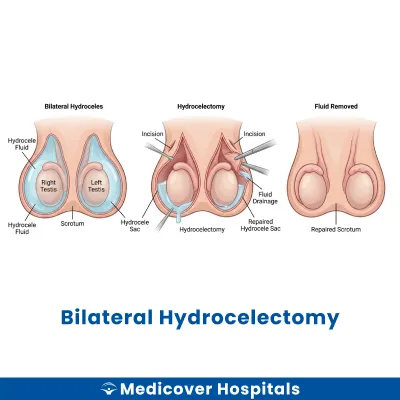
Bilateral hydrocelectomy is a surgical procedure to remove hydroceles from both sides of the scrotum. A hydrocele is a fluid-filled sac around a testicle. It causes swelling in the scrotum, which is the pouch of skin containing the testicles. This condition can occur in males of any age, though it is more common in newborns and older men.
This surgery is needed when hydroceles cause discomfort or complications. Conditions like infection, trauma, or inflammation can lead to hydroceles. If untreated, they may cause pain or lead to infection. Modern surgical approaches include open surgery and minimally invasive techniques like laparoscopy. These methods help in effectively treating the condition while reducing recovery time.
Bilateral Hydrocelectomy Doctors Near You
Find experienced urologists for bilateral hydrocelectomy at Medicover Hospitals across India. Choose your city to connect with expert specialists and book a consultation to discuss your treatment options today.
Why Choose Medicover Hospitals for Bilateral Hydrocelectomy?
Get a second opinion from trusted experts and makeconfident, informed decisions.
 Get Second Opinion
Complete Guide To Bilateral Hydrocelectomy
Everything you need to know about the procedure, preparation, and recovery
Bilateral Hydrocelectomy Surgery Indications
Bilateral hydrocelectomy is recommended when fluid accumulates around both testicles, causing discomfort or other complications. Doctors suggest this surgery when symptoms persist despite conservative treatments.
Persistent Swelling
Patients often experience noticeable swelling in the scrotum, leading to discomfort or embarrassment. On examination, doctors find fluid accumulation around both testicles. When swelling does not subside with medication or rest, surgery is considered.
Chronic Pain
Some patients report ongoing pain or heaviness in the scrotal area. This pain may worsen with physical activity. If pain persists despite pain relief measures, doctors may recommend surgery to alleviate discomfort.
Recurrent Infections
Frequent infections in the scrotal area can occur due to fluid buildup. These infections may cause redness, warmth, and tenderness. When antibiotics fail to prevent recurrence, surgery may be necessary to remove the source of infection.
Impaired Mobility
Excessive fluid can lead to difficulty walking or moving comfortably. Patients may find daily activities challenging. If mobility remains restricted despite supportive measures, surgical intervention may be advised.
Diagnostic Confirmation
Ultrasound or other imaging tests reveal significant fluid accumulation around both testicles. When imaging confirms the diagnosis and symptoms persist, surgery becomes a viable option.
How to Prepare for Bilateral Hydrocelectomy?
Proper preparation for bilateral hydrocelectomy ensures a smoother procedure and recovery. It helps in reducing complications and aids in a quicker return to normal activities.
- Medication Review: Stop NSAIDs, anticoagulants, and herbal supplements as advised by your doctor.
- Fasting: Do not eat or drink anything for at least 8 hours before the surgery.
- Clothing: Wear loose, comfortable clothing on the day of the surgery to avoid pressure on the surgical site.
- Transportation: Arrange for someone to drive you home after the procedure, as you may feel drowsy from anaesthesia.
- Medication List: Bring a list of all medications you are taking, including dosages, to the hospital.
- Hygiene: Take a shower the night before or the morning of the surgery to reduce the risk of infection.
- Pre-surgery Instructions: Follow any additional instructions given by your healthcare provider specific to your condition.
- Rest: Ensure you get a good night's sleep before the surgery to help your body prepare.
Bilateral hydrocelectomy Surgery (Step-by-Step)
Bilateral hydrocelectomy is performed by urological surgeons. The surgery typically lasts 1 to 2 hours. It is usually done under general anaesthesia, ensuring the patient is asleep and pain-free during the procedure.
- Preparation: The patient is positioned comfortably on the operating table. General anaesthesia is administered to induce sleep.
- Incision: The surgeon makes a small incision of about 2-3 cm in the scrotal area to access the hydroceles.
- Exposing the Hydroceles: Using surgical instruments like a scalpel and forceps, the surgeon carefully exposes the hydroceles.
- Draining the Fluid: A trocar is used to puncture the hydrocele sac, allowing the fluid to drain out completely.
- Excision of the Sac: The surgeon uses a harmonic scalpel to excise the hydrocele sac, preventing fluid reaccumulation.
- Closure: The incisions are closed with sutures. Bipolar cautery may be used to control any bleeding.
- Recovery: The patient is moved to the recovery room. They gradually wake up from anaesthesia and are monitored for any immediate post-operative issues.
Who Performs Bilateral Hydrocelectomy Surgery?
Bilateral hydrocelectomy is performed by urologists. These specialists have extensive training in surgical procedures related to the urinary tract and male reproductive organs. They ensure the procedure is conducted safely and effectively.
Recovery After Bilateral Hydrocelectomy Surgery
Recovery from bilateral hydrocelectomy surgery involves gradual healing and a return to normal activities. Patients can expect some swelling and discomfort initially, which should decrease over time. Following the doctor's instructions is crucial for a smooth recovery.
Day 1-3:
- Rest is essential. Avoid strenuous activities.
- Keep the surgical area clean and dry.
- Take prescribed pain medications as directed.
- Consume light, easily digestible foods like curd, dal-rice, and soups.
Day 4-7:
- Swelling and discomfort should begin to reduce.
- Continue with a soft diet including khichdi and moong dal.
- Gradually increase light activities as tolerated.
- Avoid lifting heavy objects or vigorous exercise.
Day 8-14:
- Most patients can resume work or school, depending on the nature of their activities.
- Maintain a balanced diet to support healing.
- Walking is encouraged, but avoid high-impact activities.
- Follow up with your doctor for any scheduled appointments.
Phase 3 (Week 3-4):
- Resume normal activities gradually, listening to your body.
- Continue to avoid heavy lifting and intense physical exertion.
- Monitor the surgical site for any changes.
When to Seek Urgent Help:
- Severe pain unrelieved by medication.
- Excessive swelling or redness at the surgical site.
- Fever or chills indicating possible infection.
- Unusual discharge or bleeding from the incision.
Benefits of Bilateral Hydrocelectomy Surgery
Bilateral hydrocelectomy is a surgical procedure aimed at treating hydroceles in both testicles. It offers several benefits for patients.
- Symptom Relief: Alleviates discomfort and swelling in the scrotum.
- Improved Mobility: Reduces scrotal size, enhancing ease of movement.
- Enhanced Quality of Life: Addresses pain and discomfort, improving daily activities.
- Prevention of Complications: Minimizes the risk of infections and other related issues.
Risks and Complications of Bilateral Hydrocelectomy Surgery
While bilateral hydrocelectomy is generally safe, like any surgery, it carries potential risks and complications.
- Swelling and bruising in the scrotal area post-surgery.
- Temporary pain or discomfort during recovery.
- Infection at the surgical site.
- Hematoma or blood accumulation in the scrotum.
- Recurrence of hydrocele.
- Injury to surrounding tissues or structures.
Cost of Bilateral Hydrocelectomy Surgery
The cost of bilateral hydrocelectomy surgery ranges from Rs. 25,000 to Rs. 1,00,000 based on factors such as the surgical approach, duration of hospital stay, room category, required diagnostics, medications, and post-operative care.
At Medicover Hospitals, we ensure transparent pricing for our patients. We offer support for insurance and TPA, including CGHS, ESI, and major TPAs, with cashless facility options available. Please contact the hospital for the latest insurance panel details as these may change periodically.
Frequently Asked Questions
1. How much does Bilateral hydrocelectomy surgery cost at Medicover Hospitals?
The cost of bilateral hydrocelectomy surgery ranges from Rs. 25,000 to Rs. 1,00,
2. Please contact Medicover Hospitals for detailed pricing information. 2. Is Bilateral hydrocelectomy surgery covered under health insurance at Medicover?
Bilateral hydrocelectomy may be covered by CGHS, ESI, and major TPAs. Please contact the hospital for current panel details.
3. Will fluid reaccumulate after Bilateral hydrocelectomy?
Fluid reaccumulation is uncommon after Bilateral hydrocelectomy. Regular follow-ups help monitor and prevent complications.
4. Can I lift heavy objects after Bilateral hydrocelectomy?
Avoid lifting heavy objects for at least 4-6 weeks post-surgery. Consult your doctor for specific guidelines based on your recovery.
5. Will I experience scrotal swelling post-surgery?
Some scrotal swelling is normal after Bilateral hydrocelectomy. It typically subsides within a few weeks with proper care.
6. Can I resume sexual activity after Bilateral hydrocelectomy?
You can usually resume sexual activity 4-6 weeks post-surgery. Ensure you have your doctor's approval before resuming.
7. What foods aid recovery after Bilateral hydrocelectomy?
Include light meals like khichdi, dal-rice, and curd. These foods are easy to digest and help in a smooth recovery.


