 Call
Call Patient Reports
Assisted Vaginal Delivery Procedure by Expert Gynecologists
Assisted vaginal delivery at Medicover Hospitals involves the use of instruments like forceps or a vacuum to aid childbirth. Our team of gynecologists, with qualifications such as MS, DNB, and FMAS, ensures expert care. This approach often results in a shorter hospital stay for the mother.
Expert Procedures
Yearly Procedures
Patient Satisfaction
What is Assisted Vaginal Delivery?
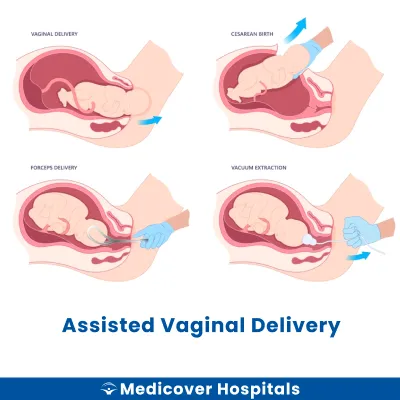
Assisted vaginal delivery is a procedure used during childbirth. It involves the use of medical instruments to help deliver the baby through the birth canal (vagina). Common tools include forceps, which are tong-like instruments, and vacuum extractors, which use suction. These tools assist in guiding the baby's head out when labour is prolonged or if the mother is too exhausted to push effectively.
This procedure is needed when labour does not progress as expected. Conditions like fetal distress or maternal fatigue may require assistance. If untreated, prolonged labour can lead to complications for both mother and baby. Modern surgical approaches include the use of forceps and vacuum extraction. These methods are chosen based on the specific situation during delivery.
Assisted Vaginal Delivery Doctors Near You
Discover skilled gynecologists for assisted vaginal delivery at Medicover Hospitals across India. Choose your city and book a consultation to ensure a safe delivery experience.
Why Choose Medicover Hospitals for Assisted Vaginal Delivery?
Get a second opinion from trusted experts and makeconfident, informed decisions.
 Get Second Opinion
Complete Guide To Assisted Vaginal Delivery
Everything you need to know about the procedure, preparation, and recovery
Assisted vaginal delivery procedure Indications
Assisted vaginal delivery is recommended when complications arise during childbirth that prevent a safe and timely delivery. Gynecologists use tools like forceps or a vacuum to aid the delivery process, ensuring the well-being of both mother and baby.
Prolonged Second Stage of Labour
The patient may experience exhaustion and inability to push effectively. The doctor notes a lack of progress in the baby's descent despite strong contractions. When labour does not advance after several hours, assisted delivery may be recommended.
Fetal Distress
The patient may not notice symptoms, but the doctor detects abnormal fetal heart rate patterns through monitoring. If the baby shows signs of distress and immediate delivery is necessary, assisted vaginal delivery is considered.
Maternal Exhaustion
The patient feels extreme fatigue and is unable to continue pushing. The doctor observes insufficient progress despite adequate contractions. When rest and encouragement do not help, assisted delivery becomes an option.
Abnormal Fetal Position
The patient may not feel specific symptoms, but the doctor identifies an abnormal position of the baby, such as occiput posterior, during examination. If manual rotation is unsuccessful, assisted delivery may be needed.
Medical Conditions
The patient has conditions like heart disease or severe hypertension, making prolonged pushing risky. The doctor evaluates the patient's health and recommends assisted delivery to reduce stress during childbirth.
How to Prepare for Assisted Vaginal Delivery?
Preparation for assisted vaginal delivery is crucial to ensure a smooth and safe process for both mother and baby. Proper preparation helps in minimizing risks and enhancing recovery.
- Medication Review: Stop NSAIDs, anticoagulants, and herbal supplements as advised by your doctor.
- Fasting: Follow the recommended fasting period of 6-8 hours before the procedure if anaesthesia is required.
- Pelvic Floor Exercises: Engage in pelvic floor exercises to strengthen muscles and aid in delivery.
- Clothing: Wear loose, comfortable clothing on the day of the procedure for ease and comfort.
- Transport Arrangement: Arrange for someone to drive you home post-delivery as you may feel tired or drowsy.
- Medication List: Bring a list of current medications with dosages for hospital records and review.
- Hospital Bag: Pack essentials like toiletries, baby clothes, and personal items in advance.
- Birth Plan Discussion: Discuss your birth plan and preferences with your healthcare provider.
Assisted vaginal delivery procedure (Step-by-Step)
Overview: Assisted vaginal delivery is performed by gynecologists. It typically lasts 15-30 minutes. Regional anaesthesia, such as an epidural, is commonly used to manage pain.
- Preparation: The patient is positioned comfortably in the delivery room. The healthcare team monitors vital signs and ensures the baby is in the correct position.
- Anaesthesia Administration: Regional anaesthesia is administered to numb the lower half of the body. The patient remains awake but does not feel pain in the pelvic area.
- Instrument Selection: The gynecologist decides whether to use forceps or a vacuum extractor based on the baby's position and the mother's condition. No incisions are made during this procedure.
- Application of Instruments: If forceps are used, they are gently inserted into the birth canal to cradle the baby's head. If a vacuum extractor is chosen, a suction cup is placed on the baby's head.
- Assistance in Delivery: The gynecologist carefully guides the baby out of the birth canal using the chosen instrument. The patient is encouraged to push during contractions to aid the process.
- Delivery of the Baby: Once the baby's head is delivered, the rest of the body follows. The gynecologist removes the instruments and ensures the baby's well-being.
- Post-Delivery Care: The patient is monitored for any complications. The healthcare team provides care for both mother and baby.
Who Performs Assisted vaginal delivery procedure?
Assisted vaginal delivery is performed by obstetricians and gynecologists. These specialists are trained to handle various childbirth scenarios, ensuring safe delivery for both mother and baby.
Recovery After Assisted Vaginal Delivery Procedure
Recovery after an assisted vaginal delivery can vary for each individual. It is important to allow your body time to heal while gradually resuming daily activities. Here's a general timeline to help you understand what to expect during your recovery.
Day 1-3:
- Rest as much as possible. You may experience soreness and swelling.
- Apply ice packs to reduce swelling and discomfort.
- Consume light, nutritious meals like dal-rice, moong dal, and soups to aid digestion.
Day 4-7:
- Gradually increase light activities, but avoid heavy lifting.
- Continue with a balanced diet including curd and khichdi to maintain energy levels.
- Stay hydrated to support recovery and breastfeeding.
Day 8-14:
- Most women can start gentle exercises like walking.
- Monitor any pain or discomfort and consult your doctor if needed.
- Return to work or school may be possible, depending on your comfort and doctor's advice.
Phase 3 (Week 3-6):
- Resume normal activities gradually, but listen to your body.
- Incorporate more variety in your diet to ensure adequate nutrition.
- Continue pelvic floor exercises to strengthen muscles.
When to Seek Urgent Help:
- Heavy bleeding or large clots.
- Severe pain or swelling that does not improve.
- Fever or signs of infection.
- Difficulty urinating or severe headaches.
Benefits of Assisted vaginal delivery procedure
Assisted vaginal delivery can be beneficial in certain situations where natural delivery needs support.
- Reduced Labour Duration: Helps shorten the second stage of labour when progress is slow.
- Prevents Maternal Exhaustion: Assists mothers who are too tired to push effectively.
- Facilitates Safe Delivery: Useful in situations where the baby's heart rate indicates distress.
- Avoids C-section: Can help avoid the need for a caesarean section in some cases.
Risks and Complications of Assisted vaginal delivery procedure
While generally safe, assisted vaginal delivery carries certain risks and complications.
Common Risks
- Minor injuries to the baby's scalp or face.
- Increased risk of tears or episiotomy for the mother.
Rare Risks
- Temporary nerve injuries in the baby.
- Shoulder dystocia, where the baby's shoulder gets stuck.
- Increased risk of postpartum haemorrhage for the mother.
- Skull fractures or serious injuries to the baby.
Cost of Assisted vaginal delivery procedure
The cost of an assisted vaginal delivery procedure at Medicover Hospitals ranges from ₹30,000 to ₹2,00,000. The price varies based on the ward category chosen, including options like day care, general, private, and deluxe suites. Medicover Hospitals offers transparent pricing and supports insurance and TPA services, including CGHS, ESI, and major TPAs. A cashless facility is also available for your convenience. Please contact the hospital for the latest insurance panel details as these may change periodically.
Frequently Asked Questions
1. How much does Assisted vaginal delivery cost?
The cost for Assisted vaginal delivery at Medicover Hospitals ranges from ₹30,000 to ₹2,00,000, depending on room type and care requirements.
2. Is Assisted vaginal delivery covered under insurance?
Assisted vaginal delivery is often covered by CGHS, ESI, and major TPAs with cashless options. Please contact the hospital for current panel details.
3. Can assisted delivery affect pelvic floor muscles?
Yes, assisted vaginal delivery can impact pelvic floor muscles. Pelvic exercises may be recommended to aid recovery and strengthen the muscles.
4. Will I need a C-section after failed assisted delivery?
In some cases, a C-section may be necessary if assisted vaginal delivery is unsuccessful. Your doctor will guide you based on your specific situation.
5. Is there a risk of tearing with assisted delivery?
Yes, there is a possibility of perineal tearing during assisted vaginal delivery. Proper care and stitches, if needed, can aid in healing.
6. Can I eat normal food immediately after delivery?
Post-delivery, light meals like dal-rice or khichdi are recommended. Gradually transition to regular diet as advised by your healthcare provider.
7. How soon can I resume physical activity?
Physical activity can typically be resumed after 6 weeks, but consult your doctor. Start with light exercises and gradually increase intensity.


