 Call
Call Patient Reports
Aneurysm Clipping Surgery by Expert Neurosurgeons
Aneurysm Clipping at Medicover Hospitals is performed using an open surgical approach by skilled neurosurgeons with qualifications such as MS, MCh, and DNB. This procedure effectively isolates the aneurysm, leading to reduced risk of rupture and promoting quicker recovery for patients across India.
Expert Surgeons
Yearly Surgeries
Patient Satisfaction
What is Aneurysm Clipping?
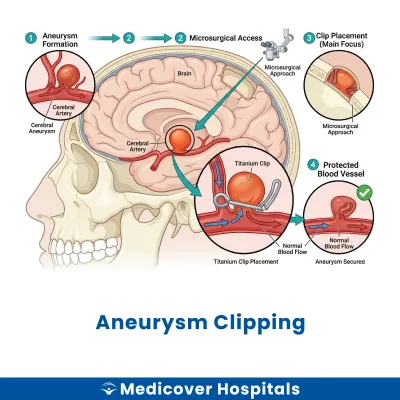
Aneurysm Clipping is a surgical procedure to treat an aneurysm in the brain. An aneurysm is a bulge in a blood vessel caused by a weakness in the vessel wall. During the procedure, a neurosurgeon places a tiny metal clip at the base of the aneurysm. This prevents blood from entering the aneurysm, reducing the risk of rupture.
This surgery is crucial for preventing a brain aneurysm from bursting. A ruptured aneurysm can lead to a haemorrhagic stroke, which is life-threatening. Conditions like high blood pressure and head trauma can lead to aneurysms. If left untreated, the risk of rupture increases. Modern surgical approaches include microsurgical clipping and endovascular coiling. These techniques help secure the aneurysm and prevent complications.
Aneurysm Clipping Doctors Near You
Discover experienced neurosurgeons for aneurysm clipping at Medicover Hospitals across India. Choose your city and book a consultation to explore treatment options and expert care tailored to your needs.
Why Choose Medicover Hospitals for Aneurysm Clipping?
Get a second opinion from trusted experts and makeconfident, informed decisions.
 Get Second Opinion
Complete Guide To Aneurysm Clipping
Everything you need to know about the procedure, preparation, and recovery
Aneurysm Clipping Surgery Indications
Aneurysm clipping surgery is recommended when an aneurysm poses a risk of rupture or has already ruptured. Neurosurgeons suggest this procedure to prevent bleeding and protect brain function.
Unruptured Aneurysm with High Rupture Risk
Patients may not experience symptoms, but imaging tests reveal an aneurysm with a high risk of rupture. Factors like size, location, and shape influence this risk. When these factors indicate potential danger, surgery is advised.
Ruptured Aneurysm
Symptoms include sudden severe headache, nausea, and loss of consciousness. Imaging confirms a rupture with bleeding in the brain. Immediate surgical intervention is crucial to prevent further complications.
Symptomatic Aneurysm
Patients report headaches, vision changes, or neurological deficits. Imaging shows an aneurysm pressing on brain structures. When symptoms persist or worsen, surgery becomes necessary.
Failed Endovascular Treatment
Some patients experience persistent symptoms or incomplete aneurysm closure after endovascular procedures. Follow-up imaging shows inadequate results, prompting the need for clipping surgery.
Large or Giant Aneurysms
Patients may have headaches or neurological symptoms. Imaging reveals a large aneurysm that poses significant risk. When size and complexity limit other treatments, clipping is recommended.
How to Prepare for Aneurysm Clipping?
Proper preparation is crucial for a successful aneurysm clipping surgery. It helps minimise risks and ensures a smoother recovery.
- Medication Review: Inform your doctor about all medications. Stop NSAIDs, anticoagulants, and herbal supplements as advised.
- Fasting Guidelines: Do not eat or drink anything for at least 8 hours before the surgery to prepare for anaesthesia.
- Pre-Surgery Tests: Complete all required blood tests, imaging, and other evaluations as instructed by your healthcare provider.
- Personal Items: Wear loose, comfortable clothing on the day of surgery. This helps ease movement post-surgery.
- Transportation: Arrange for someone to drive you home after the procedure. You may feel drowsy from anaesthesia.
- Medication List: Bring a list of all medications, including dosages, to the hospital for reference.
- Smoking and Alcohol: Avoid smoking and alcohol for a specified period before surgery to promote healing.
- Pre-Op Instructions: Follow any additional instructions from your surgical team to ensure you are fully prepared.
Aneurysm Clipping Surgery (Step-by-Step)
Overview: Aneurysm clipping is performed by neurosurgeons. The surgery typically lasts 3 to 6 hours and is done under general anaesthesia.
- Preparation: The patient is given general anaesthesia to ensure they are asleep and pain-free. The head is positioned to provide the surgeon with the best access to the aneurysm.
- Incision: A scalp incision of about 1-2 cm is made. The surgeon carefully opens the skull using a craniotome to access the brain.
- Exposing the Aneurysm: The surgeon gently moves aside brain tissue using retractors to reach the aneurysm. A surgical microscope is used for a clear view.
- Clipping the Aneurysm: A small metal clip is placed across the neck of the aneurysm using a clip applier. This stops blood flow into the aneurysm, preventing rupture.
- Closure: The skull is secured back in place with plates and screws. The scalp is stitched or stapled closed.
- Recovery: The patient is moved to the recovery room. They are monitored as they wake up from anaesthesia.
Who Performs Aneurysm Clipping Surgery?
Aneurysm clipping surgery is performed by neurosurgeons. These specialists are trained in brain and nervous system surgeries. They use precise instruments like the surgical microscope and clip applier to treat aneurysms effectively.
Recovery After Aneurysm Clipping Surgery
Recovery from aneurysm clipping surgery requires patience and care. It involves a gradual return to normal activities, with close monitoring for any complications. Following your doctor's advice is crucial for a smooth recovery.
Day 1-3:
- Hospital stay is common. Rest is essential.
- Initial discomfort and headaches are normal.
- Begin with a liquid diet, including soups and broths.
Day 4-7:
- Transition to soft foods like khichdi, dal-rice, and moong dal.
- Gradually increase mobility, but avoid strenuous activities.
- Continue prescribed medications and follow-up appointments.
Week 2-4:
- Increase activity levels slowly. Short walks are encouraged.
- Return to a normal diet, incorporating curd and other light Indian foods.
- Monitor for any unusual symptoms and maintain hydration.
Phase 1-2 Months:
- Most people can resume work or school after 4-6 weeks, depending on recovery.
- Avoid heavy lifting and intense physical activities.
- Regular follow-ups with your healthcare provider are important.
When to Seek Urgent Help
- Severe headaches or sudden vision changes.
- Persistent nausea or vomiting.
- Confusion, seizures, or difficulty speaking.
- Any signs of infection at the surgical site.
Benefits of Aneurysm Clipping Surgery
Aneurysm clipping is a surgical procedure aimed at preventing the rupture of a brain aneurysm. It offers several benefits.
- Permanent Solution: Clipping provides a long-term solution by isolating the aneurysm from normal blood circulation.
- Prevents Rupture: It reduces the risk of aneurysm rupture, which can lead to serious complications.
- Effective for Large Aneurysms: Particularly beneficial for large or complex aneurysms that may not be suitable for other treatments.
- Improves Quality of Life: By addressing the aneurysm, it can alleviate anxiety and improve overall well-being.
Risks and Complications of Aneurysm Clipping Surgery
While aneurysm clipping is generally safe, it carries certain risks and complications, as with any surgical procedure.
Common Risks
- Infection at the surgical site.
- Bleeding during or after the procedure.
Rare Risks
- Stroke or brain damage due to reduced blood flow.
- Seizures following surgery.
- Memory or cognitive difficulties post-surgery.
- Reaction to anaesthesia.
Cost of Aneurysm Clipping Surgery
The cost of aneurysm clipping surgery varies from ₹1,50,000 to ₹8,00,000, based on the surgical approach, duration of hospital stay, room category, required diagnostics, and post-operative care.
At Medicover Hospitals, we offer transparent pricing to ensure clarity for our patients. We support insurance and TPA services, including CGHS, ESI, and major TPAs, with a cashless facility available for a hassle-free experience. Please contact the hospital for the latest insurance panel details as these may change periodically.
Frequently Asked Questions
1. How much does Aneurysm Clipping surgery cost at Medicover Hospitals?
The cost of Aneurysm Clipping surgery varies from ₹1,50,000 to ₹8,00,000, based on several factors. Please contact Medicover Hospitals directly for detailed pricing information.
2. Is Aneurysm Clipping surgery covered under health insurance at Medicover?
Aneurysm Clipping surgery may be covered by CGHS, ESI, and major TPAs. Please contact the hospital for current panel details.
3. Will I experience memory issues after aneurysm clipping?
Some patients may experience memory problems post-surgery. These issues often improve over time with rehabilitation and support.
4. Can I resume physical activities after aneurysm clipping?
You should avoid strenuous activities for at least 6 weeks post-surgery. Consult your doctor for a personalised recovery plan.
5. Will I need medication after aneurysm clipping?
Yes, you may need medications to manage blood pressure and prevent complications. Your doctor will provide a specific prescription plan.
6. Can aneurysms recur after clipping?
Recurrence of aneurysms after clipping is rare but possible. Regular follow-ups and imaging tests are essential to monitor your condition.
7. What foods should I avoid after aneurysm clipping?
Avoid foods high in salt and caffeine to manage blood pressure. Opt for a balanced diet with curd, dal-rice, and fruits.


