 Call
Call Patient Reports
Advanced Acute Bronchitis Hospital with Expert Care
Acute Bronchitis requires Pulmonologists or general physicians expert care. At Medicover Hospitals, our Pulmonologists or general physicians, with qualifications like MD, DNB, and DM, employ advanced endoscopic techniques for effective management. This approach often results in shorter hospital stays for our young patients.
Expert Specialists
Yearly Treatments
Patient Satisfaction
What is Acute Bronchitis?
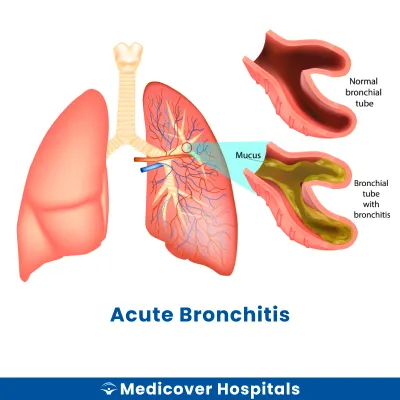
Acute Bronchitis is an inflammation of the bronchi, the large air passages in the lungs. It often results from a viral infection. The condition causes coughing, mucus production, and difficulty breathing. The bronchi become swollen and produce excess mucus, leading to these symptoms.
This condition usually follows a cold or respiratory infection. Smoking and exposure to pollutants can increase risk. If left untreated, it can lead to pneumonia or chronic bronchitis. While acute bronchitis often resolves on its own, severe cases may require medical intervention. Bronchoscopy and other minimally invasive procedures can help manage complications. Always consult a healthcare professional for proper diagnosis and treatment.
Acute Bronchitis Doctors Near You
Find experienced Pulmonologists or general physicians for acute bronchitis care at Medicover Hospitals across India. Choose your city and book a consultation to ensure your newborn receives expert attention.
Why Choose Medicover Hospitals for Acute Bronchitis?
Get a second opinion from trusted experts and makeconfident, informed decisions.
 Get Second Opinion
Complete Guide To Acute Bronchitis
Everything you need to know about the procedure, preparation, and recovery
Acute Bronchitis Procedure Indications
Doctors may recommend procedures for acute bronchitis when symptoms are severe or complications arise. This is often considered when conservative treatments do not provide relief or when specific diagnostic findings indicate a need for intervention.
Persistent Cough
Patients may experience a cough lasting more than three weeks. This persistent cough often disrupts sleep and daily activities. If a physical examination reveals no improvement with medication, further procedures may be necessary.
Severe Breathing Difficulty
Some patients struggle with significant shortness of breath or wheezing. These symptoms can be distressing and may not respond to inhalers or other medications. In such cases, a procedure might be required to alleviate the airway obstruction.
Recurrent Infections
Frequent respiratory infections can indicate underlying issues. If lab tests show repeated bacterial infections despite antibiotics, a procedure may be needed to address the cause.
Abnormal Chest X-ray
Doctors may find unusual patterns or blockages in a chest X-ray. If these findings persist despite treatment, further intervention could be warranted to prevent complications.
High Fever and Fatigue
Patients experiencing prolonged high fever and extreme fatigue may not respond to standard treatments. If blood tests reveal ongoing inflammation, a procedure might be necessary to manage the condition effectively.
How to Prepare for Acute Bronchitis?
Preparation helps ensure a smooth recovery and reduces complications. Understanding the steps can ease anxiety and improve outcomes.
- Medication Review: Stop NSAIDs, anticoagulants, and herbal supplements as advised by your doctor.
- Fasting Guidelines: If anaesthesia is required, fast for 6-8 hours before the procedure.
- Hydration: Drink plenty of water to stay hydrated, unless instructed otherwise.
- Comfortable Clothing: Wear loose, comfortable clothing to your appointment.
- Transport Arrangement: Arrange for someone to drive you home post-procedure.
- Medication List: Bring a list of your current medications with dosages.
- Smoking Cessation: Avoid smoking to improve lung function and recovery.
- Rest and Relaxation: Ensure you get adequate rest before the procedure.
Acute Bronchitis procedure (Step-by-Step)
Acute bronchitis is typically managed by pulmonologists. The procedure duration varies based on the severity of the condition. It usually does not require anaesthesia as it is often treated with medication and supportive care.
- Diagnosis: The doctor will evaluate symptoms and medical history. A stethoscope is used to listen to the lungs for any abnormal sounds.
- Chest X-ray: A chest X-ray may be performed to rule out pneumonia or other lung conditions. The patient will be asked to stand still while the X-ray is taken.
- Sputum Test: A sample of mucus may be collected to check for infection. The patient will be asked to cough deeply to produce the sample.
- Medication Prescription: Based on the diagnosis, the doctor may prescribe medications such as bronchodilators or antibiotics if a bacterial infection is suspected.
- Rest and Hydration: The patient is advised to rest and increase fluid intake to help thin mucus and ease coughing.
- Follow-up Care: The patient may need to return for a follow-up visit to ensure recovery. Any persistent symptoms should be reported to the doctor.
Who Performs Acute Bronchitis procedure?
Pulmonologists typically handle the management of acute bronchitis. They are trained to diagnose and treat respiratory conditions. These specialists use their expertise to determine the best course of treatment, ensuring the patient's symptoms are effectively managed.
Recovery After Acute Bronchitis procedure
Recovering from acute bronchitis involves managing symptoms and gradually returning to normal activities. Most individuals start feeling better within a week, but a complete recovery may take longer. Rest and proper hydration are crucial during this period.
Day 1-3:
- Rest as much as possible. Avoid strenuous activities.
- Stay hydrated with warm fluids like herbal teas and soups.
- Consume light meals such as dal-rice or khichdi to aid digestion.
Day 4-7:
- Continue to rest, but light activities like walking can be resumed if energy permits.
- Include curd and moong dal in your diet for added nutrition.
- Avoid exposure to smoke and pollutants.
Day 8-14:
- Gradually return to normal activities, but listen to your body and rest if needed.
- Return to work or school if symptoms have significantly improved.
- Maintain a balanced diet with plenty of fruits and vegetables.
When to Seek Urgent Help:
- High fever that persists or worsens.
- Difficulty breathing or shortness of breath.
- Chest pain or severe cough that does not improve.
- Confusion or dizziness.
Benefits of Acute Bronchitis procedure
Managing acute bronchitis involves supportive care and treatment to alleviate symptoms and prevent complications.
- Symptom Relief: Medications can help reduce coughing and ease breathing.
- Faster Recovery: Proper management can shorten the duration of the illness.
- Prevention of Complications: Timely treatment reduces the risk of developing pneumonia.
- Improved Comfort: Hydration and rest can significantly improve patient comfort.
Risks and Complications of Acute Bronchitis procedure
While treatment for acute bronchitis is generally safe, there are potential risks and complications to be aware of.
- Common: Side effects from medications, such as drowsiness or upset stomach.
- Common: Allergic reactions to prescribed medications.
- Rare: Overuse of antibiotics leading to antibiotic resistance.
- Rare: Development of secondary infections.
- Rare: Exacerbation of underlying chronic conditions like asthma or COPD.
Cost of Acute Bronchitis procedure
The cost of treating acute bronchitis can vary from Rs.30000 to Rs.50000 based on several factors such as the chosen treatment approach, length of hospital stay, room category, required diagnostics, and post-treatment care.
At Medicover Hospitals, we ensure transparent pricing for all procedures. We offer support for insurance and third-party administrators (TPA), including CGHS, ESI, and major TPAs. A cashless facility is also available for your convenience. Please contact the hospital for the latest insurance panel details as these may change periodically.
Frequently Asked Questions
1. How much does Acute Bronchitis procedure cost at Medicover Hospitals?
The cost for treating acute bronchitis varies from Rs.30000 to Rs.
2. Please contact Medicover Hospitals for detailed pricing information. 2. Is Acute Bronchitis procedure covered under health insurance at Medicover?
Acute bronchitis treatment may be covered by CGHS, ESI, and major TPAs. Please contact the hospital for current panel details.
3. Will I need antibiotics for acute bronchitis?
Antibiotics are usually not required for acute bronchitis as it is often viral. Consult your doctor for appropriate treatment.
4. Can acute bronchitis lead to pneumonia?
Acute bronchitis can sometimes lead to pneumonia if not treated properly. Seek medical advice if symptoms worsen or persist.
5. How long does cough last after acute bronchitis?
Cough from acute bronchitis can last up to three weeks. If it persists beyond this, consult a healthcare professional.
6. What foods help recovery from acute bronchitis?
Consume warm fluids, curd, and light meals like dal-rice or khichdi. These can help soothe the throat and aid recovery.
7. Can smoking worsen acute bronchitis?
Yes, smoking can aggravate symptoms and delay recovery from acute bronchitis. Avoid smoking and exposure to secondhand smoke.


