 Call
Call Patient Reports
Acoustic Neuroma Surgery Hospital with Safe & Faster Recovery
At Medicover Hospitals, our neurosurgeons, with qualifications such as MS, MCh, and DNB, perform Acoustic Neuroma Surgery using open surgical techniques. This approach effectively addresses the condition, leading to potential outcomes like reduced blood loss and shorter hospital stays for patients across India.
Expert Surgeons
Yearly Surgeries
Patient Satisfaction
What is Acoustic Neuroma Surgery?
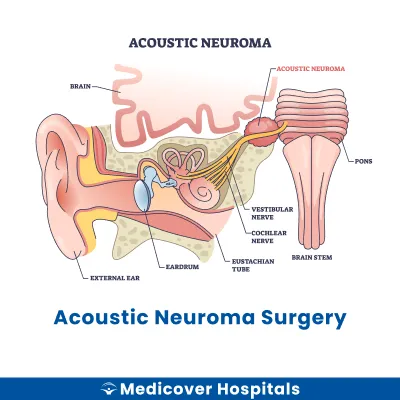
Acoustic Neuroma Surgery is a procedure to remove a non-cancerous tumour called an acoustic neuroma (vestibular schwannoma). This tumour develops on the nerve that connects the ear to the brain. It affects hearing and balance. The surgery involves the delicate structures of the inner ear and brain.
This surgery is needed when the tumour grows large or causes symptoms like hearing loss, tinnitus (ringing in the ear), or balance issues. If left untreated, it can lead to serious complications like brainstem compression. Modern surgical approaches include the translabyrinthine, retrosigmoid, and middle fossa techniques. These methods aim to remove the tumour while preserving nerve function.
Acoustic Neuroma Surgery Doctors Near You
Discover skilled neurosurgeons for acoustic neuroma surgery at Medicover Hospitals across India. Choose your city and book a consultation to explore treatment options tailored to your needs.
Why Choose Medicover Hospitals for Acoustic Neuroma Surgery?
Get a second opinion from trusted experts and makeconfident, informed decisions.
 Get Second Opinion
Complete Guide To Acoustic Neuroma Surgery
Everything you need to know about the procedure, preparation, and recovery
Acoustic Neuroma Surgery Indications
Doctors recommend acoustic neuroma surgery when the tumour causes significant symptoms or poses a risk to vital functions. Surgery is considered when non-surgical treatments are ineffective or when the tumour size or growth rate necessitates intervention.
Hearing Loss
Patients often experience gradual hearing loss in one ear. This may be accompanied by tinnitus, a ringing sensation. Audiometry tests reveal significant hearing impairment, prompting surgical consideration when hearing aids are insufficient.
Balance Issues
Acoustic neuromas can affect balance, leading to unsteadiness or dizziness. These symptoms may worsen over time. When vestibular rehabilitation fails to improve balance, surgery may be necessary.
Facial Numbness
Patients may report numbness or tingling in the face. This occurs when the tumour compresses the facial nerve. MRI scans showing nerve compression guide the decision for surgery.
Tumour Growth
Regular MRI scans may show an increase in tumour size. Rapid growth or large tumours can threaten brain structures. Surgery is recommended when growth poses significant risks.
Persistent Headaches
Some patients experience headaches due to increased pressure from the tumour. When medication and lifestyle changes do not alleviate pain, surgery may be advised.
Hydrocephalus
In rare cases, the tumour blocks cerebrospinal fluid flow, causing hydrocephalus. Symptoms include headaches and nausea. Surgery is crucial to relieve pressure and prevent complications.
How to Prepare for Acoustic Neuroma Surgery?
Proper preparation is crucial for a smooth surgery and recovery. It helps reduce risks and ensures the procedure goes as planned.
- Medication Review: Stop NSAIDs, anticoagulants, and herbal supplements 1-2 weeks prior, as advised by your doctor.
- Fasting Guidelines: Do not eat or drink anything for at least 8 hours before the surgery to prepare for anaesthesia.
- Pre-Surgery Tests: Complete any required blood tests or imaging studies as scheduled by your healthcare provider.
- Personal Items: Bring a list of current medications with dosages to the hospital.
- Comfortable Clothing: Wear loose, comfortable clothing on the day of surgery for ease of changing and comfort.
- Transportation: Arrange for someone to drive you home post-surgery, as you will not be able to drive yourself.
- Post-Surgery Care: Prepare your home for recovery, ensuring you have easy access to essentials.
- Communication: Discuss any concerns or questions with your surgical team beforehand.
Acoustic Neuroma Surgery (Step-by-Step)
Overview: Acoustic neuroma surgery is performed by neurosurgeons. The procedure typically lasts 4-6 hours and is done under general anaesthesia.
- Preparation: The patient is positioned on the operating table. General anaesthesia is administered to ensure the patient is asleep and pain-free.
- Incision: A small incision, about 3-4 cm, is made behind the ear. This provides access to the skull for the surgery.
- Craniotomy: A section of the skull is carefully removed using a high-speed drill. This allows the surgeon to reach the tumour.
- Tumour Removal: The neurosurgeon uses instruments like a curette and bipolar cautery to delicately remove the acoustic neuroma. Precision is crucial to avoid damage to surrounding nerves.
- Closure: The removed skull section is replaced and secured. The incision is then closed with sutures or staples.
- Recovery: The patient is moved to a recovery room. They are monitored as they wake up from anaesthesia. Some dizziness or headache may be experienced initially.
Who Performs Acoustic Neuroma Surgery?
Acoustic neuroma surgery is performed by neurosurgeons. These specialists are trained in surgeries involving the brain and nervous system. They use advanced techniques to ensure precise tumour removal while preserving nerve function.
Recovery After Acoustic Neuroma Surgery
Recovery from acoustic neuroma surgery varies for each individual. It involves gradual healing and adjustment to changes in balance and hearing. Understanding the recovery phases can help in managing expectations and ensuring a smooth recovery.
Day 1-3:
- Rest is crucial. You may experience dizziness and headaches.
- Hospital stay is common during this period for monitoring.
- Start with a liquid diet, including clear soups and juices.
Day 4-7:
- Gradual transition to soft foods like khichdi, dal-rice, and moong dal.
- Continue to rest, but short walks around the house may be encouraged.
- Follow-up with your doctor to monitor recovery progress.
Week 2-4:
- Increase activity gradually, but avoid strenuous tasks.
- Incorporate curd and soft vegetables into your diet.
- Some may return to light work or school activities, depending on recovery.
Month 1-3:
- Balance and hearing adjustments continue. Regular physiotherapy may be recommended.
- Resume normal diet, but maintain a balanced intake.
- Most can return to regular work or school, but avoid heavy lifting or intense exercise.
When to Seek Urgent Help:
- Severe headaches or dizziness that worsens.
- Persistent nausea or vomiting.
- Sudden changes in hearing or vision.
- Signs of infection, such as fever or swelling at the surgical site.
Benefits of Acoustic Neuroma Surgery
Acoustic neuroma surgery aims to remove benign tumours from the nerves connecting the ear to the brain. This procedure can offer several benefits.
- Symptom Relief: Helps alleviate symptoms like hearing loss, tinnitus, and balance issues.
- Prevents Complications: Reduces the risk of tumour growth affecting brain structures.
- Improved Quality of Life: Enhances daily functioning by addressing neurological symptoms.
- Long-term Solution: Offers a permanent solution by removing the tumour completely.
Risks and Complications of Acoustic Neuroma Surgery
While acoustic neuroma surgery can be beneficial, it carries certain risks and complications. Patients should be aware of these possibilities.
- Common: Hearing loss in the affected ear may occur post-surgery.
- Common: Facial nerve weakness or paralysis can result from nerve damage.
- Rare: Cerebrospinal fluid leakage may happen, requiring additional treatment.
- Rare: Infection at the surgical site is a potential risk.
- Rare: Balance issues may persist or worsen after surgery.
- Rare: Blood clots or bleeding might occur during or after the procedure.
Cost of Acoustic Neuroma Surgery Surgery
The cost of Acoustic Neuroma Surgery varies starting from ₹3,50,000 - ₹8,00,000. based on the surgical approach, duration of hospital stay, room category, required diagnostics, and post-operative care. At Medicover Hospitals, we ensure transparent pricing to help you plan your treatment effectively.
We offer insurance and TPA support, accepting CGHS, ESI, and major TPAs. A cashless facility is also available for a hassle-free experience. Please contact the hospital for the latest insurance panel details as these may change periodically.
Frequently Asked Questions
1. How much does Acoustic Neuroma Surgery cost?
The cost of Acoustic Neuroma Surgery varies starting from ₹3,50,000 - ₹8,00,000.. Please contact Medicover Hospitals for detailed pricing information.
2. Is Acoustic Neuroma Surgery covered under insurance?
Acoustic Neuroma Surgery may be covered by CGHS, ESI, and major TPAs. Please contact the hospital for current panel details.
3. Will my hearing improve after surgery?
Hearing improvement is not guaranteed after Acoustic Neuroma Surgery. Discuss potential outcomes with your surgeon at Medicover Hospitals.
4. Can I experience facial numbness post-surgery?
Facial numbness can occur after Acoustic Neuroma Surgery. It is important to follow up with your doctor if you experience this symptom.
5. How long until I can return to work?
Most patients can return to work within 4 to 6 weeks post-surgery. Recovery time may vary based on individual health conditions.
6. Will I need rehabilitation for balance issues?
Rehabilitation may be needed to address balance issues after Acoustic Neuroma Surgery. Consult with your healthcare provider for a tailored plan.
7. Are there dietary restrictions post-surgery?
Post-surgery, a soft diet like khichdi or dal-rice is recommended. Avoid hard and spicy foods to aid recovery.


