 Call
 Patient Reports
Rheumatology Doctors in Chandanagar

Dr P Kiranmayi
- Specialist expertise in inflammatory arthritis and autoimmune diseases.
- Detailed clinical assessment supported by relevant laboratory investigations.
- Individualised treatment strategies based on diagnosis and disease activity.
- Care for both newly diagnosed and long-standing rheumatic conditions.
- Access to multidisciplinary medical support for complex cases.
- Modern diagnostic tools for evaluating joints, bones, and soft tissues.
- Focus on preserving mobility and improving functional ability.
- Continuous guidance throughout treatment and follow-up visits.
- Rheumatoid arthritis.
- Osteoarthritis.
- Systemic lupus erythematosus (SLE).
- Psoriatic arthritis.
- Ankylosing spondylitis.
- Gout and crystal-induced arthritis.
- Juvenile idiopathic arthritis.
- Vasculitis.
- Fibromyalgia.
- Autoimmune connective tissue diseases.
- Repeated swelling or tenderness in one or more joints.
- Stiffness after waking up or remaining inactive for a period.
- Joint pain that continues or frequently returns.
- Unexplained muscle weakness or persistent muscle discomfort.
- Reduced joint movement or difficulty with everyday tasks.
- Skin changes or rashes occurring along with joint complaints.
- Symptoms associated with a suspected autoimmune disorder.
- Persistent rheumatic symptoms without an established cause.
- Comprehensive Arthritis Assessment: Evaluation of joint pain, swelling, stiffness, mobility, and inflammation.
- Autoimmune Condition Evaluation: Assessment of symptoms and investigations related to immune-mediated rheumatic diseases.
- Inflammatory Arthritis Care: Specialist management of diseases associated with ongoing joint inflammation.
- Musculoskeletal Assessment: Evaluation of problems involving muscles, joints, tendons, and connective tissues.
- Rheumatic Disease Monitoring: Regular reviews to assess disease activity and response to treatment.
- Specialist Consultation: Personalised recommendations for diagnosis, medical treatment, lifestyle measures, and continued care.
- Anti-Inflammatory Medication: Medicines selected to reduce inflammation and manage associated discomfort.
- Disease-Modifying Medicines: Therapies used for controlling selected chronic inflammatory and autoimmune conditions.
- Biologic Treatment: Targeted therapies for appropriate patients with specific immune-mediated diseases.
- Immune-Regulating Therapies: Treatment approaches aimed at controlling abnormal immune system activity.
- Symptom Management: Personalised strategies to improve comfort, mobility, and day-to-day functioning.
- Lifestyle and Activity Guidance: Advice on appropriate physical activity and healthy habits to support disease management.
- Rheumatology Blood Investigations: Tests to identify inflammatory activity and autoimmune markers.
- Musculoskeletal Ultrasound: Imaging of joints, tendons, and surrounding soft tissues.
- Joint and Bone Imaging: Diagnostic imaging to identify structural abnormalities and disease-related changes.
- Bone Density Assessment: Evaluation of bone strength when clinically indicated.
- Follow-Up Laboratory Testing: Periodic investigations to monitor disease activity and treatment response.
- Discussion about the onset, pattern, and severity of symptoms.
- Review of previous diagnoses, reports, and medications.
- Examination of painful, swollen, or restricted joints.
- Assessment of relevant muscle and mobility-related concerns.
- Recommendation of laboratory or imaging tests when necessary.
- Explanation of the proposed treatment approach and follow-up schedule.
Advanced Rheumatology Specialists for Joint, Muscle and Autoimmune Care in Chandanagar
At Medicover Hospitals, our rheumatologists offer specialised care for people experiencing persistent joint pain, inflammation, muscle problems, and autoimmune disorders. Through detailed clinical evaluation and appropriate investigations, our specialists work towards identifying the underlying condition and planning suitable treatment.
Our team provides comprehensive rheumatology care for both routine and complicated disorders affecting the musculoskeletal and immune systems. With personalised medical strategies and coordinated support from other specialties when needed, we aim to help patients maintain mobility, manage symptoms, and improve their everyday quality of life.
Why Consider Our Rheumatology Specialists in Chandanagar?
Medicover Hospitals combines experienced rheumatology specialists, modern diagnostic facilities, and evidence-based medical care to support patients with inflammatory, autoimmune, and musculoskeletal disorders.
Rheumatic Conditions Treated by Our Specialists
Our rheumatology team evaluates and manages numerous conditions involving inflammation, abnormal immune responses, joints, muscles, bones, and connective tissues.
Symptoms That May Need Evaluation by a Rheumatologist
Persistent musculoskeletal symptoms should not be ignored, especially when pain, stiffness, or inflammation continues despite routine measures or begins to affect normal movement and activities.
Rheumatology Care and Specialist Services at Medicover Hospitals
Our rheumatologists provide structured evaluation and continuing medical care for patients with arthritis, autoimmune diseases, inflammatory disorders, and other musculoskeletal problems.
Medical Treatment Options Offered by Our Rheumatologists
After evaluating the patient's diagnosis, symptoms, and disease activity, our specialists select appropriate medical therapies and supportive measures to achieve better long-term disease control.
Diagnostic Technologies Supporting Rheumatology Treatment
Our rheumatologists use a combination of clinical examination, laboratory investigations, and imaging studies to support diagnosis and evaluate how patients respond to treatment.
What Happens During a Rheumatology Consultation?
During your appointment, our rheumatologists first understand your symptoms, previous medical conditions, medications, lifestyle, and earlier investigation results. A focused physical examination is followed by appropriate recommendations for further testing and treatment.
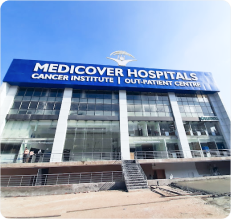
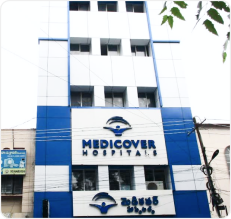
Our Hospitals in Telangana







Frequently Asked Questions
You should consult a rheumatologist if you experience persistent joint pain, swelling, stiffness, muscle pain, unexplained fatigue, or symptoms that may indicate an autoimmune or inflammatory condition.
Rheumatologists diagnose and treat conditions such as rheumatoid arthritis, osteoarthritis, lupus, psoriatic arthritis, gout, ankylosing spondylitis, vasculitis, fibromyalgia, and other autoimmune disorders.
Common symptoms include joint swelling, prolonged morning stiffness, recurring pain, reduced mobility, skin rashes, unexplained fever, and inflammation affecting joints or muscles.
Diagnosis may involve a detailed medical history, physical examination, blood tests, autoimmune marker tests, imaging studies, and other specialised investigations based on the patient's condition.
Yes. With early diagnosis and appropriate treatment, rheumatoid arthritis can be managed effectively through medications, lifestyle modifications, regular monitoring, and personalised treatment plans.
A rheumatologist specialises in diagnosing and treating autoimmune, inflammatory, and systemic conditions affecting joints and tissues, while an orthopaedic doctor primarily manages bone, injury, and structural problems.
Yes. Children can develop rheumatic conditions such as juvenile arthritis and autoimmune disorders, which require specialised evaluation and management.
Some rheumatic conditions may require long-term management, while others can be controlled effectively with timely treatment and regular follow-up.
Tests may include inflammatory markers, autoimmune antibody tests, blood investigations, joint imaging, and other assessments depending on symptoms and suspected conditions.
You can consult experienced rheumatologists at Medicover Hospitals in Chandanagar for advanced evaluation, diagnosis, and personalised treatment of rheumatic and autoimmune conditions.


