 Call
Call Patient Reports
Colorectal Surgery Doctors in Chh. Sambhaji Nagar

Dr Anand Auti
- Experienced colorectal surgeons treating both benign and complex colorectal conditions.
- Individualized surgical planning based on diagnosis, disease severity, and overall health.
- Advanced diagnostic facilities supporting accurate colorectal evaluation.
- Surgical care following internationally accepted clinical guidelines.
- Multidisciplinary collaboration with gastroenterologists, oncologists, radiologists, and nutrition specialists.
- Modern operating theatres equipped for minimally invasive colorectal surgery.
- Structured follow-up care supporting smooth recovery and long-term health.
- Colorectal cancer
- Rectal cancer
- Colon polyps
- Hemorrhoids (Piles)
- Diverticular disease
- Inflammatory bowel disease
- Rectal prolapse
- Fecal incontinence
- Intestinal obstruction requiring colorectal surgery
- Perianal abscess
- Persistent rectal bleeding or blood in the stool.
- Long-standing constipation or unexplained diarrhea.
- Swelling, pain, or discharge around the anal region.
- Unexplained weight loss with bowel habit changes.
- Diagnosis of colorectal cancer or large colon polyps.
- Referral for surgical management after colonoscopy findings.
- Pain during bowel movements.
- Detailed medical history identifies symptoms and colorectal disease risk factors.
- Physical examination evaluates abdominal and anorectal abnormalities.
- Colonoscopy identifies polyps, cancers, inflammation, and other bowel disorders.
- CT scan or MRI evaluates disease extent and surgical planning.
- Blood investigations assess overall health before surgery.
- Pre-operative fitness assessment ensures safe anesthesia and surgical care.
- Digital rectal examination assesses rectal and anal conditions.
- Laparoscopic Colorectal Surgery: This minimally invasive procedure uses small incisions and specialized instruments to treat various colorectal diseases. It is recommended for suitable patients and may support reduced postoperative pain, shorter hospital stays, and faster recovery.
- Colon Cancer Surgery: Surgical removal of the affected portion of the colon is performed to treat colon cancer. The procedure aims to remove the tumor along with nearby lymph nodes while preserving as much healthy bowel as possible.
- Hemorrhoid Surgery: Surgical treatment is recommended for large, painful, or recurrent hemorrhoids that do not improve with conservative measures. The procedure helps relieve bleeding, discomfort, and prolapse.
- Anal Fissure Surgery: This procedure is performed for chronic anal fissures that fail to heal with non-surgical treatment. It helps reduce pain, improve healing, and restore normal bowel function.
- Stoma Creation and Reversal: A temporary or permanent stoma may be created when necessary to divert bowel contents safely. Reversal surgery is performed when clinically appropriate after recovery.
- Polyp Removal Procedures: Surgical removal of complex or large colorectal polyps helps prevent progression to colorectal cancer while preserving healthy bowel tissue whenever possible.
- Rectal Cancer Surgery: This procedure removes cancerous tissue from the rectum while maintaining bowel function whenever feasible. Surgical planning depends on tumor location, cancer stage, and individual patient factors.
- High-definition laparoscopic surgical systems.
- Advanced colonoscopy and endoscopy facilities.
- Modern imaging services supporting surgical planning.
- Dedicated colorectal operating theatres.
- Electronic medical records supporting coordinated care.
- Strict infection prevention and sterilization protocols.
- Modern intensive care support when required.
- Comprehensive laboratory services for surgical patients.
- Dedicated recovery and postoperative care units.
- Quality assurance systems supporting surgical excellence.
- Advanced pathology laboratory for tissue diagnosis.
- Discussion of bowel symptoms and medical history.
- Review of previous colonoscopy and imaging reports.
- Physical and anorectal examination when clinically appropriate.
- Assessment of current medications and previous surgeries.
- Guidance regarding pre-operative preparation and recovery.
- Discussion of postoperative care and lifestyle recommendations.
- Planning follow-up visits after surgery.
- Opportunity to clarify concerns and participate in treatment decisions.
- Explanation of suitable surgical procedures and expected outcomes.
Expert Colorectal Surgeons for Advanced Diagnosis Care. Our Colorectal Surgeons in Chhatrapati Sambhaji Nagar provide expert care for colorectal cancers, inflammatory bowel diseases, hemorrhoids, anal fistulas, diverticular disease, and other disorders that require specialized surgical evaluation and management.
At Medicover Hospitals, our colorectal surgeons use advanced diagnostic technology and detailed clinical assessment to accurately identify colorectal conditions. Every patient undergoes a comprehensive evaluation based on symptoms, medical history, imaging findings, and endoscopic investigations to determine the most appropriate surgical approach.
Seeking timely consultation can help detect colorectal conditions at an earlier stage and reduce the risk of complications. Our experienced colorectal surgeons provide compassionate, ethical, and patient-focused care while working closely with gastroenterologists, oncologists, and other specialists to ensure the best possible surgical outcomes.
Why Choose Our Colorectal Surgeons at Medicover Hospitals in Aurangabad?
Successful colorectal surgery depends on accurate diagnosis, surgical expertise, and coordinated multidisciplinary care. At Medicover Hospitals our specialists provide high-quality colorectal care using modern surgical techniques and advanced hospital infrastructure focused on patient safety and recovery.
Conditions Our Colorectal Surgeons Treat at Medicover Hospitals, Aurangabad
Our experienced specialists diagnose and manage a wide range of colorectal disorders using evidence-based techniques. Based on each patient's symptoms, medical history, examination findings, and healthcare needs, they perform a comprehensive evaluation before recommending the most appropriate surgical treatment plan.
When Should You Consult Our Colorectal Surgeons?
Persistent bowel symptoms or colorectal conditions should not be ignored, as early evaluation helps identify underlying problems before complications develop. Consulting a colorectal surgeon ensures timely diagnosis and appropriate surgical management whenever required.
Early specialist evaluation helps identify colorectal disorders promptly and allows timely surgical intervention when needed. Appropriate diagnosis and treatment can improve recovery, reduce complications, and support better long-term digestive health.
How Our Colorectal Surgeons Evaluate Your Condition at Medicover Hospitals
Evaluation begins by understanding your symptoms, bowel habits, medical history, medications, previous surgeries, and lifestyle factors. Our specialists recommend appropriate investigations to accurately diagnose colorectal conditions before planning the most suitable surgical procedure.
Colorectal Surgery Procedures Offered at Medicover Hospitals, Aurangabad
Our colorectal surgeons perform a wide range of procedures for both benign and malignant colorectal conditions. The recommended procedure depends on the diagnosis, disease stage, overall health, and individual surgical requirements.
Advanced Technologies Used by Our Colorectal Surgeons at Medicover Hospitals
At Medicover Hospitals in Aurangabad, advanced surgical technology and modern infrastructure support safe colorectal procedures, accurate diagnosis, and enhanced patient recovery. Our facilities are designed to deliver high-quality colorectal surgical care with a strong focus on patient safety.
What to Expect During Your Consultation with Our Colorectal Surgeons at Medicover Hospitals, Aurangabad?
Your consultation focuses on understanding your symptoms, reviewing previous investigations, and determining the most appropriate diagnostic and surgical plan. Our specialists explain every step of the evaluation process and answer your questions before treatment planning begins.
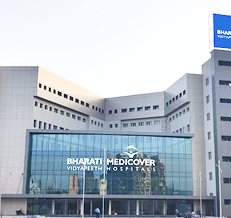
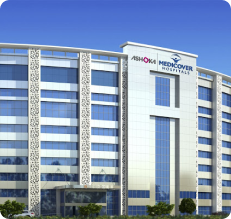
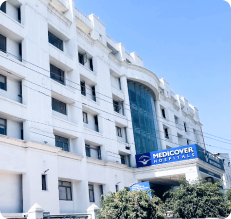
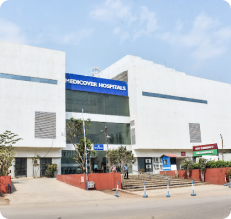
Our Hospitals in Maharashtra
Frequently Asked Questions
The risk of colorectal diseases increases with age, a family history of colorectal conditions, inflammatory bowel disease, obesity, smoking, excessive alcohol intake, a low-fiber diet, and a sedentary lifestyle. Regular health check-ups can help identify concerns early.
While not every colorectal condition can be prevented, maintaining a balanced diet rich in fiber, exercising regularly, staying hydrated, avoiding tobacco, limiting alcohol consumption, and undergoing recommended screening can significantly reduce the risk of several colorectal disorders.
You can ask about the likely cause of your symptoms, recommended investigations, available treatment options, expected recovery, possible risks, lifestyle modifications, follow-up requirements, and whether minimally invasive surgery is suitable for your condition.
Some minor conditions may not require immediate surgery, but delaying evaluation for persistent symptoms such as rectal bleeding, ongoing bowel changes, or unexplained weight loss can allow serious conditions to progress and become more difficult to treat.
Certain colorectal conditions, including hemorrhoids, polyps, inflammatory bowel disease, and some cancers, may recur. Regular follow-up appointments and adherence to your specialist's recommendations help detect recurrence early and support long-term colorectal health
Routine screening can identify precancerous polyps and early-stage colorectal cancer before symptoms develop. Early detection improves treatment options and outcomes, especially for individuals with increased age or additional risk factors.
Yes. A diet rich in fruits, vegetables, whole grains, and fiber supports healthy bowel function. Reducing processed foods, maintaining adequate hydration, and limiting excessive red meat consumption may also contribute to better colorectal health.
Most patients can gradually resume physical activity after recovery. Your surgeon will advise when it is safe to restart walking, exercise, and more strenuous activities based on the type of surgery and your healing progress.
Seeking a second opinion is a personal choice and can help you better understand your diagnosis, available treatment options, and expected outcomes. It may provide additional confidence before proceeding with surgery.
The frequency of follow-up depends on your diagnosis, the procedure performed, and your overall health. Your specialist will recommend a personalized follow-up schedule to monitor recovery, bowel health, and long-term outcomes.


