 Call
Call Patient Reports
BMT Doctors in Financial District

Dr Madala Ravi Krishna

Dr Anisha Panda
- Experienced transplant specialists managing both adult and pediatric bone marrow transplant cases.
- Individualized transplant planning based on disease type, donor availability, and patient health.
- Advanced diagnostic facilities supporting accurate pre-transplant evaluation.
- Treatment plans developed according to internationally accepted transplant protocols.
- Comprehensive assessment before selecting the most suitable transplant approach.
- Multidisciplinary collaboration with hematologists, oncologists, infectious disease experts, and critical care teams.
- Dedicated transplant units designed to maintain patient safety and infection control.
- Structured follow-up care to monitor recovery and long-term transplant outcomes.
- Multiple myeloma
- Aplastic anemia
- Myelodysplastic syndromes
- Thalassemia
- Sickle cell disease
- Primary immunodeficiency disorders
- Bone marrow failure syndromes
- Certain inherited metabolic disorders
- Relapsed or refractory blood cancers
- Selected autoimmune disorders requiring stem cell transplantation
- Diagnosis of leukemia, lymphoma, or multiple myeloma.
- Bone marrow failure affecting normal blood cell production.
- Repeated blood transfusions due to inherited blood disorders.
- Relapse after chemotherapy or other cancer treatments.
- Persistent low blood counts without a clear cause.
- Inherited immune system disorders requiring advanced treatment.
- Referral by a hematologist for transplant evaluation.
- Need for donor compatibility assessment.
- Detailed medical history helps evaluate previous treatments and disease progression.
- Physical examination assesses overall health before transplant planning.
- Blood investigations evaluate blood cell counts, organ function, and infection status.
- Bone marrow aspiration and biopsy confirm diagnosis and disease activity.
- HLA typing identifies compatible stem cell donors for transplantation.
- Imaging studies evaluate disease involvement and treatment response.
- Cardiac and pulmonary assessments determine fitness for transplant procedures.
- Infection screening reduces transplant-related complications and supports patient safety.
- Autologous Bone Marrow Transplant: This procedure uses the patient's own healthy stem cells collected before high-dose chemotherapy. It is commonly recommended for selected blood cancers and helps restore healthy bone marrow function after intensive treatment.
- Allogeneic Bone Marrow Transplant: Healthy stem cells are obtained from a compatible donor to replace diseased bone marrow. This treatment is recommended for several blood cancers, bone marrow failure disorders, and inherited blood diseases when donor compatibility is established.
- Matched Sibling Donor Transplant: A stem cell transplant using cells from a genetically compatible sibling offers a suitable treatment option for many patients requiring allogeneic transplantation while reducing certain transplant-related risks.
- Matched Unrelated Donor Transplant: When a sibling donor is unavailable, stem cells from a carefully matched unrelated donor may be used to provide an effective treatment option for eligible patients.
- Haploidentical Bone Marrow Transplant: This transplant uses stem cells from a partially matched family member, increasing donor availability while offering treatment opportunities for patients without a fully matched donor.
- Stem Cell Collection and Processing: Specialized techniques are used to safely collect, process, preserve, and prepare healthy stem cells before transplantation to support successful bone marrow recovery.
- Supportive Transplant Care: Complete supportive care includes infection prevention, blood product support, nutritional management, and close monitoring to improve safety throughout the transplant process.
- Long-Term Post-Transplant Follow-up: Regular follow-up helps monitor recovery, immune system function, graft health, and any potential complications while supporting long-term wellbeing after transplantation.
- Dedicated bone marrow transplant units with specialized isolation facilities.
- HEPA-filtered rooms supporting strict infection prevention.
- Advanced stem cell collection and processing technology.
- Modern blood bank and transfusion medicine support.
- Specialized molecular and immunology laboratory services.
- Digital medical records supporting coordinated multidisciplinary care.
- Continuous patient monitoring systems during transplant care.
- Advanced diagnostic imaging supporting disease evaluation.
- Specialized microbiology laboratory for infection surveillance.
- Clinical pharmacy support for transplant medications.
- Comprehensive laboratory monitoring throughout recovery.
- Quality assurance protocols supporting international transplant standards.
- Detailed review of your medical history and diagnosis.
- Discussion about previous treatments and treatment response.
- Comprehensive physical examination and health assessment.
- Review of laboratory reports, biopsy findings, and imaging studies.
- Recommendation of additional investigations when required.
- Explanation of suitable transplant options and expected outcomes.
- Discussion regarding donor evaluation and compatibility testing.
- Guidance about transplant preparation and recovery expectations.
- Planning regular follow-up visits after transplantation.
- Opportunity to discuss concerns and clarify treatment-related questions.
Expert Bone Marrow Transplant Specialists for Advanced Diagnosis & Care in Financial District
Bone Marrow Transplant (BMT) is a specialized treatment used to manage certain blood cancers, bone marrow disorders, immune deficiencies, and other serious hematological conditions. Our Bone Marrow Transplant Specialists in Financial District provide expert evaluation for patients requiring advanced transplant care and long-term disease management.
At Medicover Hospitals, our specialists perform a comprehensive evaluation using advanced diagnostic technology to assess disease status, overall health, donor compatibility, and transplant suitability. Every patient undergoes a detailed clinical assessment to help determine the most appropriate transplant approach and supportive care plan.
Early consultation with experienced Bone Marrow Transplant specialists can improve treatment planning and overall outcomes. Our multidisciplinary team is committed to delivering ethical, compassionate, and patient-focused care, making Medicover Hospitals a trusted destination for Bone Marrow Transplant services in Financial District.
Why Choose Our Bone Marrow Transplant Specialists at Medicover Hospitals in Financial District?
Bone Marrow Transplant requires expertise, careful planning, and coordinated care across multiple specialties. At Medicover Hospital our specialists combine extensive transplant experience with advanced infrastructure to provide safe, high-quality care throughout every stage of the transplant journey.
Conditions Our Bone Marrow Transplant Specialists Treat at Medicover Hospitals, Financial District
Our experienced specialists diagnose and manage a wide range of blood disorders using evidence-based techniques. Based on each patient's symptoms, medical history, disease stage, and healthcare needs, they perform a comprehensive evaluation before recommending the most appropriate transplant treatment plan.
When Should You Consult Our Bone Marrow Transplant Specialists?
Patients diagnosed with serious blood disorders or those who are not responding adequately to conventional treatment may benefit from evaluation by a Bone Marrow Transplant specialist. Early assessment helps determine whether transplantation is an appropriate treatment option.
Timely consultation allows specialists to assess transplant eligibility, discuss available options, and begin appropriate planning before the disease progresses further, improving the chances of successful treatment and long-term recovery.
How Our Bone Marrow Transplant Specialists Evaluate Your Condition at Medicover Hospitals
Evaluation begins with understanding your diagnosis, medical history, previous treatments, medications, and overall health. Our specialists perform detailed investigations to assess transplant suitability and identify the safest treatment approach before transplantation.
Bone Marrow Transplant Treatments Offered at Medicover Hospitals, Financial District
Our specialists provide a complete range of bone marrow transplant treatments supported by advanced diagnostics, specialized transplant care, and long-term follow-up. Treatment recommendations are based on the underlying condition, transplant eligibility, and donor availability.
Our Advanced Technology & Facilities for Bone Marrow Transplant Care at Medicover Hospitals
At Medicover Hospitals in Financial District, advanced transplant infrastructure and modern medical technology support every stage of bone marrow transplantation. Our facilities are designed to improve patient safety, treatment precision, and infection prevention throughout the transplant journey.
What to Expect During Your Consultation with Our Bone Marrow Transplant Specialists at Medicover Hospitals, Financial District?
Your consultation focuses on understanding your diagnosis, reviewing previous treatments, evaluating transplant eligibility, and discussing suitable treatment options. Our specialists explain every stage of the transplant process so you can make informed healthcare decisions.
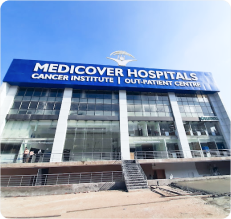
Our Hospitals in Telangana






Frequently Asked Questions
A bone marrow transplant may be recommended for patients with certain blood cancers, bone marrow failure disorders, inherited blood diseases, or immune deficiencies when other treatment options are not sufficient. Eligibility is determined after a detailed medical evaluation.
Donor selection is based on Human Leukocyte Antigen (HLA) matching. A compatible sibling is often preferred, but if one is unavailable, a matched unrelated donor or a partially matched family member may be considered.
The overall process varies depending on the patient's condition and transplant type. It includes pre-transplant evaluation, conditioning therapy, stem cell infusion, hospital recovery, and regular follow-up, which may continue for several months.
No. Some patients undergo an autologous transplant, where their own healthy stem cells are collected and used later. Others require an allogeneic transplant using stem cells from a compatible donor.
Patients are usually advised to maintain good hygiene, avoid crowded places during the early recovery period, follow dietary recommendations, take prescribed medications regularly, and attend all scheduled follow-up appointments to reduce the risk of complications.
Recovery is monitored through regular blood tests, physical examinations, and other investigations to assess bone marrow function, immune system recovery, and overall health. Follow-up visits help detect and manage any complications at an early stage.
Many patients gradually return to their routine activities as their immune system and overall health improve. The timeline differs for each individual, and your specialist will advise when it is safe to resume work, exercise, or travel.
Choose a specialist with extensive transplant experience, access to dedicated transplant facilities, multidisciplinary support, advanced diagnostic services, and comprehensive post-transplant follow-up to ensure high-quality care throughout the treatment journey.
Yes. Since immunity may be reduced after transplantation, many patients require a planned vaccination schedule once their immune system has recovered adequately. Your transplant team will recommend the appropriate timing and vaccines.
Family members play an important role by providing emotional support, assisting with daily care, encouraging medication adherence, helping maintain infection prevention measures, and accompanying patients to follow-up appointments throughout the recovery process.


