 Call
Call Patient Reports
Biochemistry Doctors in Financial District

Dr Anila Sushma Challa
- Experienced Clinical Biochemists specializing in laboratory medicine and biochemical diagnostics.
- Careful interpretation of laboratory findings to support informed medical decisions.
- Modern automated laboratory systems providing dependable and consistent results.
- Comprehensive biochemical investigations for routine and specialized healthcare needs.
- Close collaboration with physicians across multiple medical specialties.
- Advanced laboratory facilities supporting efficient sample processing.
- Timely reporting that helps clinicians begin appropriate patient management.
- Kidney function disorders
- liver function abnormalities
- Electrolyte and fluid balance disorders
- Lipid disorders and cardiovascular risk assessment
- Hormonal and endocrine disorders
- Vitamin and mineral deficiencies
- Metabolic disorders
- Diabetes mellitus and blood glucose abnormalities
- Nutritional deficiencies
- Bone metabolism disorders
- Acid-base imbalance and critical care biochemical abnormalities
- Persistent abnormal blood sugar levels.
- Suspected kidney or liver disease.
- Abnormal cholesterol or lipid profile findings.
- Hormonal imbalance requiring laboratory evaluation.
- Routine preventive health screening.
- Monitoring chronic diseases during treatment.
- Pre-operative laboratory investigations.
- Clinical history review helps determine appropriate biochemical investigations.
- Blood chemistry analysis evaluates metabolic and organ function.
- Urine biochemical testing supports kidney and metabolic disorder evaluation.
- Electrolyte analysis identifies sodium, potassium, and fluid balance abnormalities.
- Quality control verification ensures accuracy before report validation.
- Automated laboratory analyzers improve precision and consistency.
- Interpretation of laboratory findings supports clinical decision-making.
- Liver Function Tests (LFT): These investigations evaluate liver enzymes, proteins, and bilirubin levels to assess liver health. They help diagnose liver diseases, monitor ongoing treatment, and evaluate liver function during routine health assessments.
- Kidney Function Tests (KFT): Kidney function tests assess how efficiently the kidneys remove waste products and maintain electrolyte balance. These investigations assist in diagnosing kidney disorders and monitoring renal health over time.
- Blood Glucose and HbA1c Testing: These tests measure current and long-term blood sugar levels, supporting the diagnosis and ongoing monitoring of diabetes while helping physicians assess treatment effectiveness.
- Lipid Profile: Lipid profile testing evaluates cholesterol and triglyceride levels to estimate cardiovascular risk, guide preventive healthcare, and monitor response to lifestyle changes or medical therapy.
- Electrolyte Analysis: Electrolyte investigations measure sodium, potassium, chloride, and bicarbonate levels to detect fluid balance disorders and support emergency, inpatient, and critical care management.
- Hormone Analysis: Hormonal investigations evaluate endocrine gland function and assist in diagnosing thyroid, reproductive, adrenal, and other hormone-related disorders through specialized laboratory testing.
- Vitamin and Mineral Testing: These investigations detect nutritional deficiencies affecting bone health, immunity, energy levels, nerve function, and overall wellbeing, allowing appropriate medical management.
- Specialized Biochemical Investigations: Advanced laboratory tests support the diagnosis of metabolic disorders, pancreatic diseases, nutritional abnormalities, and other complex medical conditions requiring specialized biochemical assessment.
- Fully automated chemistry analyzers providing rapid and reliable testing.
- Automated immunoassay systems for specialized hormone investigations.
- Advanced electrolyte analyzers supporting emergency laboratory services.
- Digital laboratory information systems for efficient report management.
- Barcode-based sample tracking to improve patient safety.
- Internal and external quality assurance programs.
- Modern specimen processing facilities reducing turnaround time.
- Strict infection prevention and laboratory safety protocols.
- Electronic medical record integration for seamless reporting.
- Specialized laboratory support for inpatient and outpatient services.
- Routine equipment calibration ensuring analytical precision.
- Efficient reporting systems supporting timely clinical decisions.
- Review of the physician's laboratory investigation request.
- Assessment of relevant clinical history when appropriate.
- Verification of proper sample collection requirements.
- Selection of suitable biochemical investigations.
- Quality assessment before laboratory analysis begins.
- Accurate interpretation of validated laboratory findings.
- Communication with clinicians when additional investigations are required.
- Timely release of validated laboratory reports.
- Guidance regarding repeat investigations when clinically indicated.
- Support for disease monitoring through ongoing laboratory evaluation.
Expert Clinical Biochemists for Advanced Diagnostic Services in Financial District
Clinical Biochemistry plays a vital role in modern healthcare by helping diagnose, monitor, and manage a wide range of medical conditions through laboratory analysis of blood, urine, and other body fluids. Our Clinical Biochemists in Financial District support accurate diagnosis for conditions affecting the liver, kidneys, heart, endocrine system, metabolism, and overall health.
At Medicover Hospitals, our Clinical Biochemists work with advanced laboratory technology and automated diagnostic systems to deliver reliable and timely test results. Careful evaluation of biochemical markers helps clinicians understand organ function, identify disease at an early stage, and monitor treatment response with greater confidence.
Early laboratory evaluation often provides valuable clinical insights before symptoms become severe. Our experienced Clinical Biochemists collaborate with specialists across multiple departments, delivering dependable diagnostic support that enables informed medical decisions while maintaining high standards of laboratory quality and patient safety.
Why Choose Our Clinical Biochemists at Medicover Hospitals in Financial District?
Reliable laboratory investigations are essential for effective diagnosis and disease management. At Medicover Hospitals our Clinical Biochemists combine scientific expertise, modern laboratory infrastructure, and stringent quality practices to support accurate clinical decision-making and better patient care.
Conditions Our Clinical Biochemists Evaluate at Medicover Hospitals, Financial District
Our experienced Clinical Biochemists support the diagnosis and monitoring of numerous health conditions using scientifically validated laboratory techniques. Based on each patient's symptoms, medical history, and healthcare needs, appropriate biochemical investigations are performed before physicians determine the most suitable treatment plan.
When Should You Consult Our Clinical Biochemists?
Clinical Biochemistry services are recommended whenever laboratory investigations are required to diagnose, monitor, or assess medical conditions. Biochemical testing provides valuable information about organ function, metabolism, and overall health, helping physicians make well-informed clinical decisions.
Timely biochemical investigations can help detect underlying health conditions early and provide valuable information for diagnosis, disease monitoring, and long-term medical management. Early laboratory evaluation supports more effective healthcare planning.
How Our Clinical Biochemists Evaluate Your Condition at Medicover Hospitals
Evaluation begins by reviewing the patient's clinical history, current medications, symptoms, and the investigations requested by the treating physician. Our Clinical Biochemists ensure appropriate test selection, accurate laboratory analysis, and careful interpretation before validated reports are released.
Clinical Biochemistry Services Offered at Medicover Hospitals, Financial District
Our Clinical Biochemistry laboratory offers a broad range of diagnostic services to support disease detection, preventive health screening, treatment monitoring, and long-term medical care. Investigations are selected according to each patient's clinical condition and physician recommendations.
Our Advanced Technology & Facilities for Clinical Biochemistry at Medicover Hospitals
At Medicover Hospitals in Financial District, modern laboratory technology supports accurate biochemical analysis and dependable reporting. Advanced automated systems, standardized quality practices, and efficient workflows help deliver reliable diagnostic services for both patients and clinicians.
What to Expect During Your Consultation with Our Clinical Biochemists at Medicover Hospitals, Financial District?
Clinical Biochemists work closely with treating physicians to ensure appropriate laboratory investigations are selected, performed, and interpreted accurately. Every step of the diagnostic process follows established quality standards to support dependable patient care.
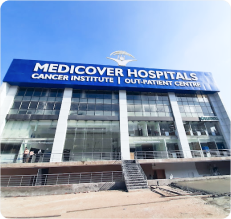
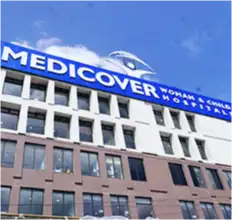
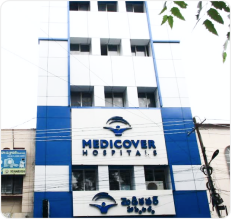
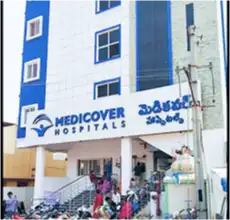
Our Hospitals in Telangana





Frequently Asked Questions
Clinical biochemistry tests help evaluate how different organs and body systems are functioning. They can identify early changes that may not produce noticeable symptoms, allowing doctors to diagnose conditions, monitor treatment, and assess overall health more effectively.
For most routine blood tests, drinking plain water is encouraged as it helps keep you hydrated and may make blood collection easier. However, always follow the specific preparation instructions provided for your recommended laboratory investigations.
Repeat testing allows doctors to monitor changes in your health, evaluate how well a treatment is working, confirm previous findings, or detect disease progression. Comparing results over time provides valuable information for ongoing medical care.
No. While many biochemical investigations require blood samples, some tests are performed using urine or other body fluids, depending on the medical condition being evaluated and the information needed for diagnosis.
Factors such as fasting status, medications, recent exercise, dehydration, alcohol consumption, smoking, and the timing of sample collection can influence certain test results. Following preparation instructions helps improve the reliability of laboratory findings.
The frequency depends on your age, overall health, family history, and existing medical conditions. Healthy adults may benefit from periodic health check-ups, while people with chronic illnesses often require more frequent laboratory monitoring.
An abnormal result does not always indicate a serious medical condition. Your doctor will interpret the findings along with your symptoms, medical history, physical examination, and other investigations before deciding whether additional testing or treatment is required.
Choose a laboratory with experienced Clinical Biochemists, advanced automated equipment, standardized quality control practices, timely reporting, and a reputation for providing accurate and reliable diagnostic services.
Yes. Maintaining a healthy diet, exercising regularly, managing stress, getting adequate sleep, avoiding tobacco, and limiting alcohol consumption can positively influence many biochemical parameters and support better overall health.
Yes. Many health conditions develop gradually without obvious symptoms. Routine biochemical investigations can help detect abnormalities early, allowing timely medical intervention and supporting preventive healthcare before complications arise.


