 Call
 Patient Reports
Allergy and Clinical Immunology Doctors in Financial District

Dr Madala Ravi Krishna
- Specialist assessment for children and adults experiencing repeated allergy symptoms.
- Relevant diagnostic investigations selected according to individual clinical needs.
- Support in recognizing dietary, environmental and medication-related triggers.
- Multispecialty coordination when allergy symptoms affect different body systems.
- Individualized care plans guided by medical history and examination findings.
- Management support for persistent and recurring allergic symptoms.
- Practical education regarding prevention, trigger avoidance and allergy safety.
- Continued assessments to track progress and make care adjustments when needed.
- Food allergies and food-related reactions
- Chronic urticaria and recurrent hives
- Allergic rhinitis and seasonal nasal allergies
- Primary immunodeficiency disorders
- Drug and medication-related allergies
- Allergic conjunctivitis
- Environmental and workplace-related allergies
- Allergy-associated bronchial asthma
- Atopic dermatitis and eczema
- Insect sting reactions
- Contact-related allergic skin conditions
- Recurrent respiratory allergies
- Anaphylaxis and severe allergic reactions
- Allergy-related sinus problems
- Immune-mediated hypersensitivity conditions
- Recurrent infections associated with immune dysfunction
- Hives that repeatedly develop without an identifiable cause.
- Repeated chest infections or other respiratory infections.
- Swelling occurring after consumption of certain foods.
- Watery or irritated eyes that persist along with other allergy symptoms.
- Breathing difficulties that become worse when exposed to suspected allergens.
- Recurring skin eruptions, redness or unexplained itching.
- Repeated sneezing, nasal discharge or congestion.
- A history of severe allergic reactions that needed urgent medical care.
- Possible allergic reactions after taking particular medicines.
- Coughing or wheezing that occurs repeatedly with certain exposures.
- Frequent infections requiring evaluation for possible immune dysfunction.
- Recurring allergy symptoms affecting sleep, education, work or routine activities.
- Food Allergy Management: Treatment provided by our Allergy & Clinical Immunology Specialists at Medicover Hospitals to help patients identify food triggers, take suitable precautions and reduce the risks associated with accidental exposure.
- Allergic Skin Disorder Care: Treatment provided by our Allergy & Clinical Immunology Specialists at Medicover Hospitals to manage recurring skin manifestations linked to eczema, urticaria and other allergic conditions.
- Medication Allergy Assessment: Treatment provided by our Allergy & Clinical Immunology Specialists at Medicover Hospitals to examine suspected medication reactions and assist with appropriate medication planning.
- Allergy Immunotherapy: Treatment provided by our Allergy & Clinical Immunology Specialists at Medicover Hospitals for suitable patients who may benefit from gradually lowering sensitivity to selected allergens.
- Allergy Symptom Relief: Treatment provided by our Allergy & Clinical Immunology Specialists at Medicover Hospitals to help control nasal irritation, sneezing, itching and allergic inflammation.
- Immune-Related Condition Management: Treatment provided by our Allergy & Clinical Immunology Specialists at Medicover Hospitals to evaluate selected immune system abnormalities and concerns linked to recurrent infections.
- Respiratory Allergy Management: Treatment provided by our Allergy & Clinical Immunology Specialists at Medicover Hospitals to help control allergy-associated respiratory symptoms through suitable medication and reducing exposure to triggers.
- Allergy Prevention and Follow-Up: Ongoing care provided by our Allergy & Clinical Immunology Specialists at Medicover Hospitals to track symptoms, assess treatment effectiveness and support continued trigger management.
- Blood-based allergy investigations
- Assessment of recurrent or unusual infections
- Detailed allergy history and symptom evaluation
- Immune function investigations
- Skin prick testing for selected allergens
- Pulmonary function testing for respiratory complaints
- Patch testing for suitable allergic skin conditions
- Clinical evaluation of suspected allergic reactions
- Advanced laboratory analysis systems
- Facilities for selected skin allergy assessments
- Clinical monitoring equipment for appropriate observation
- Specialized support for immunological investigations
- Pulmonary function assessment equipment
- Contemporary allergy testing facilities
- Diagnostic support for evaluating immune function
- Patch testing facilities for selected cases
- Review of your symptoms and their occurrence pattern.
- Discussion of previous allergy episodes and relevant medical records.
- Evaluation of possible environmental, food or medication triggers.
- Assessment of associated skin, respiratory, nasal or eye symptoms.
- Selection of diagnostic tests that may assist with evaluation.
- Discussion of investigation findings and potential contributing factors.
- Guidance on medicines and practical trigger-avoidance measures.
- Awareness of warning signs linked to severe allergic reactions.
- Follow-up planning based on your condition and treatment response.
Specialist Allergy & Clinical Immunology Support in Financial District
Medicover Hospitals provides Allergy & Clinical Immunology care in Financial District for patients experiencing allergic reactions, immune-related conditions, respiratory allergies, food sensitivities and recurring infections. Our specialists evaluate unusual immune responses, assess potential triggers and develop appropriate approaches to help improve symptom control.
Allergic conditions may involve the nose, lungs, skin, eyes or other areas of the body, while some immune disorders can contribute to repeated infections or unexpected reactions. Our healthcare teams consider symptoms, past medical conditions, medication history and possible environmental or dietary exposures before advising suitable investigations. Patients may also receive coordinated support from pulmonologists, dermatologists, ENT specialists, pediatricians and other medical professionals when required.
Why Choose Our Allergy & Clinical Immunology Care in Financial District?
Good allergy management begins with recognizing symptom patterns and understanding factors that may be responsible for recurring reactions. At Medicover Hospitals, patients receive care that combines clinical evaluation, relevant diagnostic support and individualized medical guidance for allergic and immune-related concerns.
Conditions Related to Allergy and Immunology Managed by Our Specialists
Our specialists provide evaluation for various allergic and immunological problems that can appear through respiratory, skin, eye or systemic symptoms. Following a review of the patient's condition and relevant clinical details, the suitable care pathway is identified.
When Allergy or Immunology Assessment May Be Needed
Symptoms that repeatedly occur after exposure to specific foods, medicines, seasons, environments or other possible triggers may warrant specialist evaluation. An appropriate consultation can help assess whether an allergic or immune-related issue could be contributing to these recurring symptoms.
Timely specialist assessment can help clarify recurring symptoms, identify likely triggers and provide suitable medical guidance aimed at reducing the frequency and severity of allergic episodes.
Allergy Management and Treatment Services at Medicover Hospitals
Treatment from our Allergy & Clinical Immunology Specialists at Medicover Hospitals is planned according to the patient's symptoms, possible triggers, investigation findings and general health. Care may be directed toward relieving current symptoms, reducing the possibility of future reactions or maintaining long-term control of allergic or immune-related conditions.
Allergy and Immunology Investigations for Accurate Evaluation
For symptoms that persist or repeatedly return, diagnostic assessment can provide useful information about possible allergens and associated immune concerns. The investigations advised are based on the patient's symptoms and findings from the clinical assessment.
Technology and Facilities for Allergy and Immunology Care in Financial District
Diagnostic and laboratory facilities play an important role in assessing allergic reactions, respiratory symptoms and immune-related abnormalities. Medicover Hospitals offers appropriate clinical support to assist with evaluation, treatment planning and ongoing observation of patients.
What to Expect When You Visit an Allergy & Clinical Immunology Specialist?
The consultation involves discussing your symptoms, previous allergic reactions and possible triggers in detail. Your medical history is reviewed by the healthcare professional, who determines whether additional investigations are required before explaining appropriate management options and preventive steps.
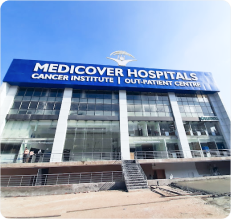
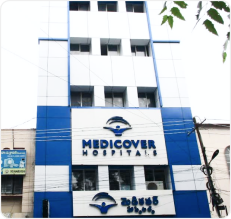
Our Hospitals in Telangana







Frequently Asked Questions
Anyone experiencing persistent allergies, repeated allergic reactions, uncontrolled asthma, frequent infections, or suspected immune system disorders can benefit from specialist evaluation. Both children and adults may require assessment to identify underlying causes and receive an individualized care plan.
Yes. Although allergies often begin during childhood, they can also develop in adulthood. Changes in the immune system, environmental exposure, workplace allergens, or lifestyle factors may trigger new allergic reactions that require medical evaluation.
Before your appointment, keep a record of your symptoms, possible triggers, current medications, and previous allergy-related reports. Your specialist may also advise temporarily stopping certain antihistamines before allergy testing to ensure accurate results.
Yes. Allergic conditions may become milder, worsen, or involve new triggers as you age. Regular follow-up helps monitor these changes and allows your specialist to adjust your treatment plan when necessary.
Allergy testing is generally safe when performed by trained specialists using appropriate techniques. The type of test recommended depends on the patient's age, symptoms, medical history, and overall health condition.
The response varies depending on the condition and treatment approach. Some patients notice symptom relief within days of starting medication, while others receiving immunotherapy may experience gradual improvement over several months.
Yes. Reducing exposure to known allergens, maintaining good indoor air quality, following prescribed medications, practicing proper skin care, and avoiding smoking can significantly improve symptom control and reduce allergy flare-ups.
Poorly controlled allergies can aggravate asthma symptoms in susceptible individuals. Identifying and managing allergy triggers may help improve asthma control, reduce flare-ups, and support better overall respiratory health.
Regular follow-up appointments help your specialist monitor symptom control, evaluate treatment effectiveness, adjust medications if required, and identify any new allergic triggers or immune-related concerns at an early stage.
Look for specialists with experience in diagnosing and managing a wide range of allergic and immune disorders, access to advanced diagnostic facilities, multidisciplinary support, and a patient-focused approach that emphasizes long-term disease management.


