 Call
Call Patient Reports
- Cardiology 84
- Dermatology 45
- Endocrinology 33
- ENT 16
- Fertility 190
- Gastroenterology 78
- General-Medicine 81
- Gynecology 80
- Hematology 19
- Infectious-Diseases 33
- Neurology 52
- Oncology 34
- Ophthalmology 23
- Orthopedics 69
- Pediatrics 31
- Procedure 23
- Public-Health 144
- Pulmonology 59
- Radiology 8
- Urology 68
- Wellness 161
- Woman-and-child 77
- 3759
- 3.5 Minute
Written by Medicover Team and Medically Reviewed by Dr Gangadhar Reddy Mallu, Chief Pulmonologist
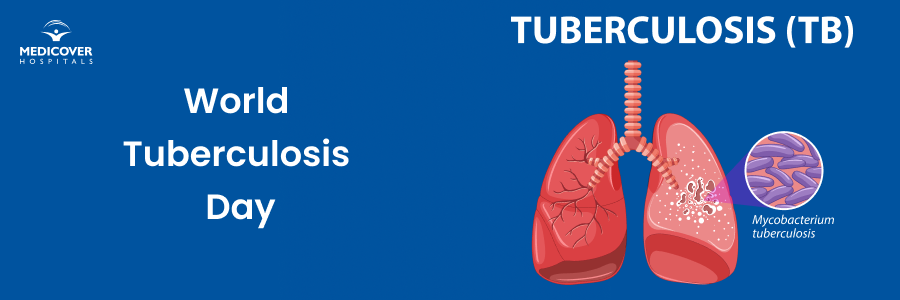
World Tuberculosis Day 2026: Date, Theme, History, and TB Prevention
World Tuberculosis Day is observed every year on the 24th of March. The day raises global awareness about tuberculosis and its impact on public health.
Tuberculosis remains one of the world's deadliest infectious diseases despite available treatment. Millions of people continue to be affected every year across many countries.
When is World Tuberculosis Day Celebrated in 2026?
World TB Day, also known as World Tuberculosis Day, is celebrated on Tuesday, March 24, 2026. The day highlights the importance of early diagnosis and timely treatment for TB. It also encourages stronger efforts to eradicate tuberculosis worldwide.
Health organizations use the world TB Day to educate communities about TB symptoms and prevention. Public awareness campaigns encourage testing, treatment adherence, and reduced stigma.
Governments and healthcare experts work together to strengthen TB control programs. On World TB Day 2026, the focus remains on accelerating action to end tuberculosis globally.
World Tuberculosis Day Theme for 2026
The theme of World Tuberculosis Day 2026 is "Yes! We can end TB!". The theme reflects global optimism and commitment to eliminating tuberculosis. It highlights that ending TB is possible with strong action and collaboration.

Governments, healthcare workers, and communities must work together to fight the disease. The campaign encourages early diagnosis, timely treatment, and improved healthcare access. It also promotes awareness to reduce stigma around tuberculosis.
On World TB Day 2026, health organizations will emphasize stronger policies and community participation. The message reminds the world that united efforts can help end tuberculosis.
Key Takeaways About World Tuberculosis Day
Despite being curable and preventable, tuberculosis (TB) remains a leading cause of fatality worldwide. Let's unite in the fight against TB and empower communities with the knowledge and resources needed to overcome this disease!
- Every year on March 24th, we commemorate World Tuberculosis Day to remind ourselves that this fatal disease continues to afflict millions worldwide.
- This day celebrates Dr. Robert Koch's seminal discovery in 1882, which identified the tuberculosis bacillus and triggered a revolution in the fight against tuberculosis.
- TB was a raging epidemic at that time, affecting one out of every seven people.
- Tuberculosis in developing countries poses a significant health burden due to limited resources for diagnosis, treatment, and prevention, leading to higher rates of transmission and poorer health outcomes.
Get a second opinion from trusted experts and makeconfident, informed decisions.
Get Second OpinionNot sure where to start?
Talk to a patient care advisor — free, confidential, 24/7. We'll match you to the right specialist and book your appointment in minutes.
History of World Tuberculosis Day (WTBD)
The history of World Tuberculosis Day dates back to March 24, 1882. On this day, German scientist Dr. Robert Koch announced the discovery of the bacterium ( Mycobacterium tuberculosis ) that causes tuberculosis. This discovery was a major breakthrough in understanding and diagnosing the disease.
To honor this milestone and raise awareness, global health organizations began observing World Tuberculosis Day. The World Health Organization later supported the campaign to strengthen global TB control efforts. Today, the day serves as a reminder of the progress made and the challenges that remain in ending tuberculosis worldwide.
Global Tuberculosis Statistics
Tuberculosis remains one of the world's most serious infectious diseases and a major public health concern. According to the World Health Organization, millions of people continue to develop TB every year.
Globally, around 10.6 million people developed tuberculosis in recent years. This includes men, women, and children across different regions. TB caused about 1.3 million deaths among HIV-negative people worldwide. In addition, around 167,000 deaths occurred among people living with HIV.
Most TB cases are reported in low- and middle-income countries. Regions such as South-East Asia, Africa, and the Western Pacific carry the highest burden. Countries including India, Indonesia, China, the Philippines, Pakistan, Nigeria, and Bangladesh account for a large share of global cases.
Health experts emphasize that early diagnosis, proper treatment, and stronger public health programs are essential to reduce TB cases and deaths globally. These efforts are especially highlighted during World Tuberculosis Day each year.
Significance of World Tuberculosis Day (WTBD)
World Tuberculosis Day is observed to raise awareness about Tuberculosis. Tuberculosis is a serious infectious disease that affects millions worldwide. The day highlights the importance of early diagnosis, proper treatment, and prevention. Many people with TB remain undiagnosed or untreated, especially in developing countries.
World Tuberculosis Day encourages governments and health organizations to strengthen TB control programs. It also helps reduce stigma around the disease through education and awareness. Health campaigns organized on this day promote testing, treatment adherence, and public health support. The observance reminds communities that collective efforts are essential to eliminate tuberculosis globally.
Your health is everything - prioritize your well-being today.
Schedule Your AppointmentSymptoms of TB in the Lungs
Symptoms of tuberculosis (TB) can vary depending on the part of the body that is affected. In most cases, TB primarily affects the lungs and can cause the following symptoms:
- Persistent cough
- Unexplained weight loss
- Coughing up blood
- Chest pain
- Fatigue
- Loss of appetite
- Night sweats
- Fever
- Chills
Symptoms of TB that affect other parts of the body can include back or neck pain or stiffness, headaches, weakness or numbness in the limbs, and coughing up phlegm containing pus.
- It is crucial to highlight that not all tuberculosis infections cause symptoms, especially in the early stages of the disease.
- You should seek medical assistance to determine if you have TB or another condition if you exhibit any of the symptoms listed above, especially if you have had close contact with someone with TB.
- Early diagnosis and treatment of TB can help prevent the spread of the disease and improve outcomes for those infected.
How to Prevent TB (Tuberculosis)?
Preventing Tuberculosis requires awareness, early testing, and healthy lifestyle practices. TB spreads through the air when an infected person coughs or sneezes. Following preventive steps can significantly reduce the risk of infection.
- Get the BCG Vaccination: The BCG vaccine helps protect children against severe forms of tuberculosis and is widely used in many countries.
- Seek Early Diagnosis and Treatment: If TB symptoms appear, consult a doctor immediately. Early diagnosis and proper treatment help stop the spread of the disease.
- Cover Mouth While Coughing or Sneezing: Use a tissue, handkerchief, or mask to prevent TB bacteria from spreading through the air.
- Ensure Proper Ventilation: TB bacteria spread more easily in closed spaces. Fresh air and sunlight help reduce the risk of transmission.
- Maintain Strong Immunity: Eat a balanced diet, exercise regularly, and get enough rest to keep the immune system strong.
- Avoid Close Contact with Untreated TB Patients: People with active TB should follow medical advice and complete their treatment to prevent spreading the infection.
Health awareness programs during World Tuberculosis Day encourage communities to adopt these preventive measures and reduce TB cases worldwide.
Frequently Asked Questions
World Tuberculosis Day is observed on March 24 to mark the day in 1882 when Robert Koch discovered the bacterium that causes Tuberculosis.
The theme for World Tuberculosis Day 2026 is Yes! We can end TB!. It highlights global commitment, stronger action, and collective efforts to eliminate tuberculosis.
World Tuberculosis Day will be observed on March 24, Tuesday 2026, with global campaigns promoting TB awareness, early testing, and effective treatment.
Tuberculosis is a contagious bacterial (Mycobacterium tuberculosis) infection that mainly affects the lungs. It spreads through the air and can become serious without timely treatment.
Tuberculosis spreads through the air when an infected person coughs, sneezes, or speaks, releasing bacteria that others may inhale.
Preventing Tuberculosis involves vaccination, early diagnosis, completing treatment, good ventilation, and covering the mouth while coughing or sneezing.
- Cardiology
- Case Studies
- Dermatology
- Endocrinology
- ENT
- Fertility
- Gastroenterology
- General
- General-Medicine
- Gynecology
- Hematology
- Infectious-Diseases
- Medical News
- Neurology
- Oncology
- Ophthalmology
- Orthopedics
- Pediatrics
- Procedure
- Public-Health
- Pulmonology
- Radiology
- Second Opinion
- Urology
- Wellness
- Woman-and-child
Related Blogs
Still have questions? Speak with our experts now!
040-68334455


