 Call
Call Patient Reports
- Cardiology 84
- Dermatology 45
- Endocrinology 33
- ENT 16
- Fertility 190
- Gastroenterology 78
- General-Medicine 81
- Gynecology 80
- Hematology 19
- Infectious-Diseases 33
- Neurology 52
- Oncology 34
- Ophthalmology 23
- Orthopedics 69
- Pediatrics 31
- Procedure 23
- Public-Health 144
- Pulmonology 59
- Radiology 8
- Urology 68
- Wellness 161
- Woman-and-child 77
- 3444
- 3.5 Minute
Raising Awareness on World Leprosy Day
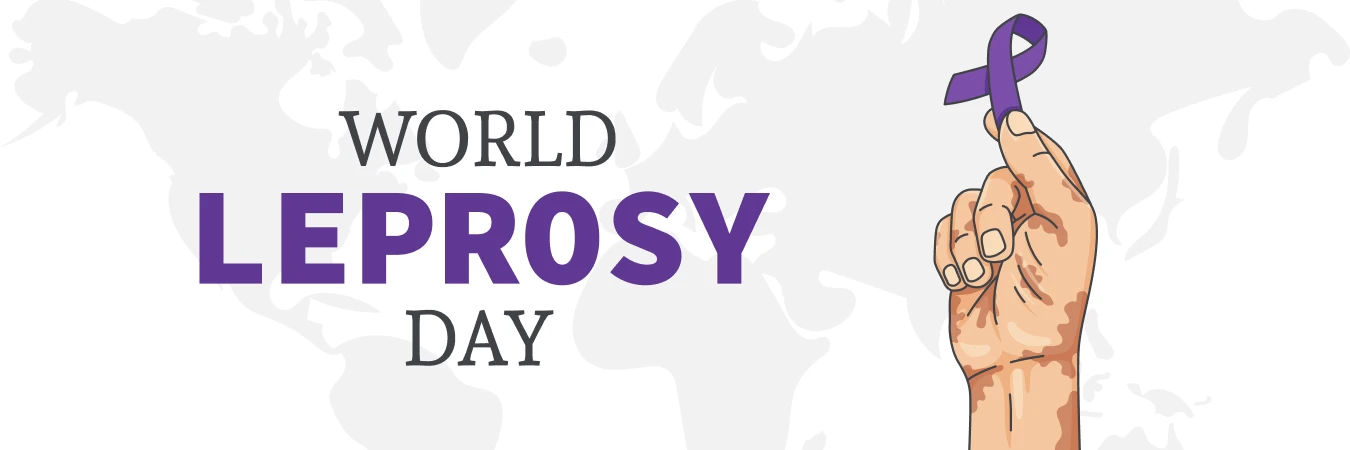
World Leprosy Day is observed on the last Sunday of January each year to raise awareness about leprosy, an infectious disease that has affected humanity for centuries. This day also aims to combat the stigma associated with the disease and to advocate for the rights of those affected. Here, we explore the importance of World Leprosy Day and how we can contribute to the cause.
Understanding Leprosy
Leprosy, also known as Hansen’s disease, is caused by the bacteria Mycobacterium leprae. It primarily affects the skin, nerves, and mucous membranes. Early diagnosis and treatment are crucial to prevent long-term complications and disabilities. Unfortunately, due to the stigma associated with the disease, many people delay seeking medical help, leading to severe consequences.
Get a second opinion from trusted experts and makeconfident, informed decisions.
Get Second OpinionNot sure where to start?
Talk to a patient care advisor — free, confidential, 24/7. We'll match you to the right specialist and book your appointment in minutes.
Leprosy and Human Rights
Leprosy is not just a medical issue; it is a matter of human rights. People affected by leprosy often face discrimination and social exclusion. This stigma can lead to a lack of access to healthcare, education, and employment opportunities. World Leprosy Day aims to highlight these human rights issues and promote social inclusion and dignity for those affected.
The History of Leprosy
Leprosy has a long and complex history. It has been mentioned in ancient texts and has been a source of fear and misunderstanding throughout the ages. In the past, people with leprosy were often isolated from society in leprosy colonies. Today, thanks to medical advancements, leprosy is entirely curable with multi-drug therapy (MDT). However, the historical stigma remains a challenge.
Global Leprosy Statistics
According to the World Health Organization (WHO), thousands of new leprosy cases are still reported each year. While the global burden of the disease has significantly decreased, it remains prevalent in certain regions, particularly in parts of Asia, Africa, and South America. Continuous efforts are needed to achieve the goal of world leprosy eradication.
Your health is everything - prioritize your well-being today.
Schedule Your AppointmentLeprosy Prevention and Awareness
Preventing leprosy involves early diagnosis and treatment. Public education campaigns are essential to raise awareness about the disease and to reduce stigma. By educating communities about the signs and symptoms of leprosy, we can encourage early treatment and prevent the spread of the disease.
How You Can Help
On World Leprosy Day, you can contribute to the cause in several ways. You can participate in awareness campaigns, donate to organizations working towards leprosy eradication, and advocate for the rights of those affected by leprosy. Sharing information on social media and engaging in community activities can also make a significant impact.
Conclusion
World Leprosy Day is a crucial reminder of the ongoing fight against leprosy and the need to support leprosy-affected communities. By raising awareness, combating stigma, and advocating for human rights, we can work towards a world free from leprosy. Together, we can make a difference in the lives of those affected by this disease.
Join us in raising awareness and supporting the cause on World Leprosy Day. Every action counts.
Frequently Asked Questions
World Leprosy Day raises awareness about leprosy, reduces stigma, and promotes early diagnosis and treatment.
World Leprosy Day was established in 1954 by French humanitarian Raoul Follereau to draw attention to the plight of leprosy-affected individuals worldwide.
Hansen's disease, commonly known as leprosy, is a chronic infectious disease caused by the bacteria Mycobacterium leprae.
Common symptoms include skin lesions (discolored patches, nodules, ulcers), numbness in affected areas, muscle weakness, and in severe cases, deformities of the hands, feet, and face.
Leprosy is diagnosed through clinical examination, skin biopsy, and microscopic examination of skin smears to detect acid-fast bacilli.
Disclaimer: The information provided is accurate and up-to-date to the best of our knowledge. However, it should not be considered a substitute for medical advice or consultation. We do not guarantee its completeness or accuracy. The absence of specific warnings does not mean a medicine is safe for all users. We are not responsible for any outcomes based on this information and strongly recommend consulting a doctor for any medical concerns or questions.
- Cardiology
- Case Studies
- Dermatology
- Endocrinology
- ENT
- Fertility
- Gastroenterology
- General
- General-Medicine
- Gynecology
- Hematology
- Infectious-Diseases
- Medical News
- Neurology
- Oncology
- Ophthalmology
- Orthopedics
- Pediatrics
- Procedure
- Public-Health
- Pulmonology
- Radiology
- Second Opinion
- Urology
- Wellness
- Woman-and-child
Related Blogs
Still have questions? Speak with our experts now!
040-68334455


