 Call
Call Patient Reports
- Cardiology 84
- Dermatology 45
- Endocrinology 33
- ENT 16
- Fertility 190
- Gastroenterology 78
- General-Medicine 81
- Gynecology 80
- Hematology 19
- Infectious-Diseases 33
- Neurology 52
- Oncology 34
- Ophthalmology 23
- Orthopedics 69
- Pediatrics 31
- Procedure 23
- Public-Health 144
- Pulmonology 59
- Radiology 8
- Urology 68
- Wellness 161
- Woman-and-child 77
- 3759
- 3.5 Minute
Written by Medicover Team and Medically Reviewed by Dr. Nilesh Wasekar, Consultant Hemato - oncologists
World Hemophilia Day 2026: Theme, History, and Myths
World Hemophilia Day is observed every year on April 17th to raise awareness about bleeding disorders. This day focuses on conditions such as hemophilia, which affects the blood's ability to clot properly. Many individuals suffering from hemophilia experience prolonged bleeding following injuries or surgery.
World Hemophilia Day 2026 highlights the importance of early diagnosis and access to appropriate treatment. The goal of awareness campaigns is to improve understanding of genetic bleeding disorders worldwide. Healthcare organizations promote education regarding symptoms, care options, and preventive measures.
This observance also supports efforts to improve the availability of treatment in underserved regions. Families and caregivers play a crucial role in effectively managing this condition. Through global collaboration, World Hemophilia Day promotes better care, inclusion, and quality of life for affected individuals.
World Hemophilia Day 2026 Theme
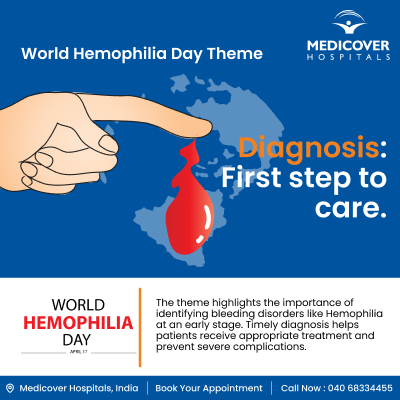
The theme of World Hemophilia Day 2026 is "Diagnosis: First step to care." The theme highlights the importance of identifying bleeding disorders like Hemophilia at an early stage. Timely diagnosis helps patients receive appropriate treatment and prevent severe complications.
Awareness initiatives focus on improving access to testing, specialized care, and education regarding symptoms. Due to limited awareness and healthcare resources, many individuals remain undiagnosed.
World Hemophilia Day 2026 encourages healthcare systems and communities to prioritize early detection. The message emphasizes that accurate diagnosis is essential for effective management and an improved quality of life.
History of World Hemophilia Day
In 1989, the World Federation of Hemophilia established World Hemophilia Day to raise global awareness about hemophilia and other inherited bleeding disorders. This observance is held annually on April 17th, coinciding with Frank Schnabel's birthday, the founder of the World Federation of Hemophilia.
The day was designed to highlight the challenges faced by people living with bleeding disorders, particularly in regions with limited access to diagnosis and treatment. Over time, World Hemophilia Day has evolved into a global awareness campaign involving healthcare organizations, patient groups, and communities.
Educational programs, screening initiatives, and advocacy efforts are organized worldwide to improve awareness and access to care. Today, this observance focuses on enhancing early diagnosis, treatment availability, and quality of life for individuals affected by hemophilia.
Get a second opinion from trusted experts and makeconfident, informed decisions.
Get Second OpinionNot sure where to start?
Talk to a patient care advisor — free, confidential, 24/7. We'll match you to the right specialist and book your appointment in minutes.
Why is World Hemophilia Day Important?
Raising Awareness
World Hemophilia Day history shows that education plays a crucial role in dispelling myths and reducing stigma. Many people remain unaware of how hemophilia affects daily life. This event highlights the importance of early diagnosis and treatment, improving the quality of life for those with bleeding disorders.
Supporting the Development of New Therapies
Access to care remains a challenge, especially in low-income regions. Organizations like WFH and the World Health Organization (WHO) work tirelessly to expand global treatment options, ensuring safe and effective therapies reach those in need.
Advocacy for Hemophilia
This day is also a chance for the hemophilia community patients, families, healthcare providers, and advocates to unite. Through educational sessions, fundraising, and awareness events, people can support research and advance treatment standards.
Attend or Organize Events
Communities worldwide hold educational seminars, fundraising activities, and awareness walks. These initiatives raise awareness and generate funding for research and treatment programs.
Use Social Media
Leverage platforms like Twitter, Facebook, and Instagram to spread awareness. Use hashtags like WorldHemophiliaDay2025 and BleedingDisorders to engage with the global community.
Support Research and Organizations
Donating to organizations such as WFH can help fund research, provide treatment, and support advocacy efforts to improve hemophilia care worldwide.
Educate Yourself and Others
Knowledge is key to making a difference. Teaching your family and community about bleeding disorders and their impact can encourage early screening and proper management.
Current Treatment Options
Replacement Therapy
The most common treatment involves infusing clotting factors into the bloodstream to prevent or control bleeding episodes. This can be done:
- Prophylactically (regularly to prevent bleeding)
- On-demand (when bleeding occurs)
Gene Therapy
A promising advancement, gene therapy aims to provide a long-term solution by enabling the body to produce its missing clotting factor, reducing the need for frequent infusions.
Other Treatments
- Desmopressin (DDAVP): A synthetic hormone used for mild Hemophilia A
- Antifibrinolytic Drugs: Help prevent blood clot breakdown
- Physical Therapy: Supports joint and muscle health, reducing bleeding complications
Challenges and Future Prospects
Access to Treatment
Despite advancements, many individuals lack access to proper hemophilia care, especially in underprivileged regions. WFH and WHO continue efforts to bridge this gap through treatment initiatives and global partnerships.
Research and Innovation
Ongoing research and innovation are vital to improving hemophilia treatments. Emerging therapies like gene therapy could revolutionize care, reducing the dependency on clotting factor infusions.
Education and Awareness
Continued education of healthcare providers and the general public is essential for early detection and management. Better diagnosis rates will ensure more individuals receive timely and effective treatment.
Myths and Facts About Hemophilia
Understanding the truth about bleeding disorders helps improve care and reduce stigma. World Hemophilia Day highlights the need for accurate information about Hemophilia.
Myth 1: Hemophilia only affects males
Fact: Hemophilia mainly affects males, but females can be carriers and may also experience bleeding symptoms.
Myth 2: People with hemophilia cannot live normal lives
Fact: With proper treatment and medical care, many individuals can study, work, and stay active.
Myth 3: Minor cuts always cause severe bleeding
Fact: External bleeding can often be managed. Internal bleeding into joints and muscles is usually more serious.
Myth 4: Hemophilia is contagious
Fact: Hemophilia is a genetic condition and cannot be spread from person to person.
Myth 5: Exercise is unsafe for people with hemophilia
Fact: Safe, supervised physical activity can strengthen muscles and help protect joints.
Myth 6: Hemophilia can be completely cured
Fact: There is no permanent cure yet, but modern therapies help control bleeding and improve quality of life.
Your health is everything - prioritize your well-being today.
Schedule Your AppointmentHow is Medicover Involved in World Hemophilia Day Observance?
Medicover Hospitals participates in World Hemophilia Day by supporting awareness about Hemophilia and other inherited bleeding disorders. We, as a leading hematology hospital in Hyderabad focuses on educating patients and families about symptoms, diagnosis, and long-term care. Awareness initiatives help improve understanding of the condition and reduce stigma.
During the observance, Medicover may organize health talks, patient counseling sessions, and community awareness activities. These programs highlight the importance of early diagnosis and access to appropriate treatment, which are key global priorities in hemophilia care.
As a multispecialty healthcare network operating in India and several other countries, Medicover contributes to strengthening healthcare access and specialized medical support. Through responsible awareness efforts and clinical services, the hospital supports a better quality of life for individuals living with bleeding disorders.
Conclusion
World Hemophilia Day observance emphasizes the importance of early diagnosis, timely treatment, and continuous medical support. Increasing awareness helps reduce stigma and improve access to specialized care.
Let's unite on April 17 to advocate for a future where treatment is accessible to all and no one suffers due to a lack of care. April 17th! Mark your calendar and join the global effort to raise awareness and improve lives
Frequently Asked Questions
The 2026 theme is Diagnosis: First step to care. It highlights the importance of early detection and timely treatment for Hemophilia.
Hemophilia Day is observed to raise awareness about hemophilia and other bleeding disorders, promote early diagnosis, and improve access to treatment worldwide.
The purpose is to educate communities, reduce stigma, and support better healthcare services for people living with hemophilia.
Awareness campaigns encourage screening, treatment access, and patient support programs that improve disease management and quality of life.
Frequent nosebleeds, prolonged bleeding after injuries, easy bruising, and joint swelling due to internal bleeding are common symptoms.
You can share awareness messages, participate in health events, support patient groups, and promote understanding of bleeding disorders.
New therapies like extended-half-life factors, gene therapy research, and improved clotting treatments are enhancing patient care outcomes.
World Hemophilia Day was first observed in 1989, initiated by the World Federation of Hemophilia.
Common awareness quotes focus on hope, strength, early diagnosis, and improving access to care for people with bleeding disorders.
- Cardiology
- Case Studies
- Dermatology
- Endocrinology
- ENT
- Fertility
- Gastroenterology
- General
- General-Medicine
- Gynecology
- Hematology
- Infectious-Diseases
- Medical News
- Neurology
- Oncology
- Ophthalmology
- Orthopedics
- Pediatrics
- Procedure
- Public-Health
- Pulmonology
- Radiology
- Second Opinion
- Urology
- Wellness
- Woman-and-child
Related Blogs
Still have questions? Speak with our experts now!
040-68334455


