 Call
Call Patient Reports
- Cardiology 84
- Dermatology 45
- Endocrinology 33
- ENT 16
- Fertility 190
- Gastroenterology 78
- General-Medicine 81
- Gynecology 80
- Hematology 19
- Infectious-Diseases 33
- Neurology 52
- Oncology 34
- Ophthalmology 23
- Orthopedics 69
- Pediatrics 31
- Procedure 23
- Public-Health 144
- Pulmonology 59
- Radiology 8
- Urology 68
- Wellness 161
- Woman-and-child 77
- 3759
- 3.5 Minute
Written by Medicover Team and Medically Reviewed by Dr. P Kiranmayi, Senior Consultant Physician (Diabetes and Thyroid Specialist)
World Hand Hygiene Day 2026: History, Theme, and Benefits
World Hand Hygiene Day is celebrated every year on May 5th to promote proper hand hygiene practices. This day highlights the importance of hand hygiene in preventing infections and improving patient safety.
Many diseases are transmitted through contaminated hands, especially in healthcare and community environments. World Hand Hygiene Day 2026 aims to raise awareness about proper hand-washing techniques. Public health efforts promote using soap, water, and alcohol-based hand sanitizers.
Healthcare workers play a crucial role in maintaining hygiene standards and reducing infection risk. Communities are also encouraged to wash their hands regularly. This practice supports global efforts to prevent healthcare-associated infections and improve public health outcomes.
Get a second opinion from trusted experts and makeconfident, informed decisions.
Get Second OpinionNot sure where to start?
Talk to a patient care advisor — free, confidential, 24/7. We'll match you to the right specialist and book your appointment in minutes.
History of World Hand Hygiene Day
World Hand Hygiene Day was launched by the World Health Organization in 2009 as part of the global campaign "SAVE LIVES: Clean Your Hands." The initiative aimed to improve hand hygiene practices, especially in healthcare settings. The date May 5 (5/5) was chosen to symbolize the five fingers of each hand, reinforcing the importance of proper handwashing.
Since its launch, the observance has gained global recognition. Hospitals, healthcare professionals, and public health organizations participate in awareness programs and training sessions. Campaigns focus on preventing healthcare-associated infections and improving patient safety.
Significance of World Hand Hygiene Day
World Hand Hygiene Day highlights the simple yet powerful role of clean hands in preventing infections. Proper hand hygiene reduces the spread of bacteria, viruses, and other harmful microorganisms. The observance encourages healthcare workers and the general public to follow correct handwashing techniques.
Awareness initiatives promote the use of soap, water, and alcohol-based sanitizers to maintain hygiene. The day also supports global efforts to strengthen infection prevention and control practices. By encouraging responsible hygiene habits, World Hand Hygiene Day contributes to safer healthcare environments and healthier communities.
World Hand Hygiene Day Theme 2026
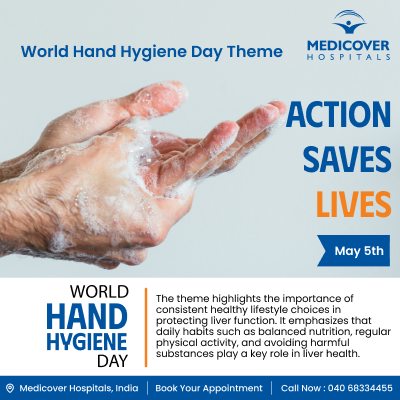
The theme of World Hand Hygiene Day 2026 is "Action saves lives." The theme highlights the importance of consistent hand hygiene practices in preventing infections. It emphasizes that timely and proper handwashing can significantly reduce the spread of harmful microorganisms.
World Hand Hygiene Day 2026 also reinforces the role of infection prevention measures in improving patient safety. The message reminds everyone that simple hygiene actions can protect individuals and save lives.
Importance of Hand Hygiene
We all know that a large number of diseases enter your body through your hands and food. Our hands are exposed to a million germs daily. Every day, we touch unhygienic, dirty objects. If we don’t wash our hands after touching those objects, germs can easily enter our bodies through food and drink. There are some vital points that everyone must keep in mind regarding the importance of maintaining hand hygiene.
- Never touch your food without washing your hands.
- Never touch your private parts without washing your hands.
- You should not touch babies and infants without washing your hands.
- Never forget to wash your hands after eating food.
- Use the best-quality hand soap to wash your hands regularly.
- Use a good-quality hand sanitizer to clean your hands if you do not have water and soap.
- Use the sanitizer before touching or holding small babies, even if you use hand soap.
Children are more prone to diseases and infections caused by dirty, unhygienic hands. They frequently put their hands and fingers in their mouths, which is very dangerous. You must make the children in your home aware of the bad effects of this practice. Ask them to wash their hands with soap and water before and after meals.
You should also not touch your eyes, nose, or mouth without washing your hands, as you may be infected with common respiratory diseases such as influenza or the common cold.
Hand Hygiene and Antibiotic Resistance
Hand hygiene can prevent about 30% of diarrhea and around 20% of respiratory infections, like colds. Antibiotics are often prescribed too frequently for these illnesses. Reducing the number of infections by washing hands regularly helps prevent overusing antibiotics. Handwashing may also protect people from germs that are resistant to antibiotics and hard to treat.
How to Wash Your Hands Properly?
We can't keep our hands free from disease-causing pathogens all the time because we do many activities and pick up germs on them. Handwashing is one of the most effective ways to protect ourselves from many infectious diseases. The following are proper steps for washing hands to gain maximum protection.
- Firstly, wet your hands with fresh running water and apply a considerable amount of soap or hand wash solution.
- Make good foam on your hands by rubbing them. You should wash your hands thoroughly, including the backs and fronts of your palms, between your fingers, and under your nail beds.
- After rubbing in the soap or hand wash, scrub your hands and nails for at least 20 seconds, and don’t forget to clean your wrists.
- Rinse your hands with clean running water.
- Dry your hands with a towel or tissue paper if available.
Benefits of Hand Hygiene
Hand hygiene involves cleaning your hands to stop the spread of germs like bacteria, viruses, and fungi. Practicing good hand hygiene offers many benefits, including:
1. Reducing the spread of germs
Proper hand hygiene can help prevent the transmission of harmful germs, viruses, and bacteria. This is especially important in environments such as hospitals, schools, and public places where germs can easily spread.
2. Preventing infections
Good hand hygiene can prevent infections such as colds, flu, and gastrointestinal illnesses. This is particularly important for people with weakened immune systems, such as the elderly, children, and those with chronic medical conditions.
3. Protecting others
Good hand hygiene is not just important for protecting yourself from germs and infections, but it also protects others surrounding you who are more vulnerable to infections.
4. Improving overall health
Practicing good hand hygiene can help reduce the incidence of illness, which can lead to a healthier population overall. This can result in fewer missed days of work or school, lower healthcare costs, and a better quality of life for everyone.
5. Easy and cost-effective
Hand hygiene is a simple and inexpensive way to prevent the spread of infections. All you need is soap and water or an alcohol-based hand sanitizer, which is widely available and affordable.
World Hand Hygiene Day serves as a reminder to raise awareness of the importance of hand hygiene in preventing infections and improving public health.
Your health is everything - prioritize your well-being today.
Schedule Your AppointmentCommon Hand Hygiene Mistakes & How to Fix Them
Proper hand hygiene is essential to prevent infections. World Hand Hygiene Day highlights the importance of correct handwashing techniques.
Mistake 1: Washing hands for too little time
Fix: Wash your hands for at least 20 seconds to remove germs effectively.
Mistake 2: Skipping key areas like thumbs and fingertips
Fix: Clean all parts of the hands, including between fingers, nails, and wrists.
Mistake 3: Using only water without soap
Fix: Use soap to break down dirt, grease, and harmful microorganisms.
Mistake 4: Not drying hands properly
Fix: Dry hands with a clean towel or air dryer to prevent germ transfer.
Mistake 5: Over-relying on hand sanitizers
Fix: Use sanitizers when soap and water are unavailable, but prefer proper handwashing.
Mistake 6: Touching contaminated surfaces after washing
Fix: Use tissues or elbows to turn off taps or open doors after cleaning hands.
Frequently Asked Questions
World Hand Hygiene Day is observed to promote proper hand hygiene practices helps prevent infections and improve patient safety worldwide.
They include washing before patient contact, before procedures, after body fluid exposure, after patient contact, and after touching surroundings.
They include hand hygiene, oral hygiene, body hygiene, nail care, hair care, menstrual hygiene, and clothing hygiene.
Global Handwashing Day was initiated in 2008 by the Global Handwashing Partnership to promote handwashing awareness.
Ignaz Semmelweis is known as the father of hand hygiene for promoting handwashing to prevent infections.
The World Hand Hygiene Day theme is Action saves lives. It highlights how proper hygiene practices reduce infection risks.
Hands should be washed frequently, especially before eating, after using the restroom, after coughing, and after touching public surfaces.
Paper towels are generally more effective in removing germs and preventing contamination compared to air-drying.
Both hot and cold water clean effectively when used with soap. Proper technique and duration matter more than temperature.
- Cardiology
- Case Studies
- Dermatology
- Endocrinology
- ENT
- Fertility
- Gastroenterology
- General
- General-Medicine
- Gynecology
- Hematology
- Infectious-Diseases
- Medical News
- Neurology
- Oncology
- Ophthalmology
- Orthopedics
- Pediatrics
- Procedure
- Public-Health
- Pulmonology
- Radiology
- Second Opinion
- Urology
- Wellness
- Woman-and-child
Related Blogs
Still have questions? Speak with our experts now!
040-68334455


