 Call
Call Patient Reports
- Cardiology 84
- Dermatology 45
- Endocrinology 33
- ENT 16
- Fertility 190
- Gastroenterology 78
- General-Medicine 81
- Gynecology 80
- Hematology 19
- Infectious-Diseases 33
- Neurology 52
- Oncology 34
- Ophthalmology 23
- Orthopedics 69
- Pediatrics 31
- Procedure 23
- Public-Health 144
- Pulmonology 59
- Radiology 8
- Urology 68
- Wellness 161
- Woman-and-child 77
- 3759
- 3.5 Minute
World Diabetes Day: Building Awareness for Prevention and Early Care
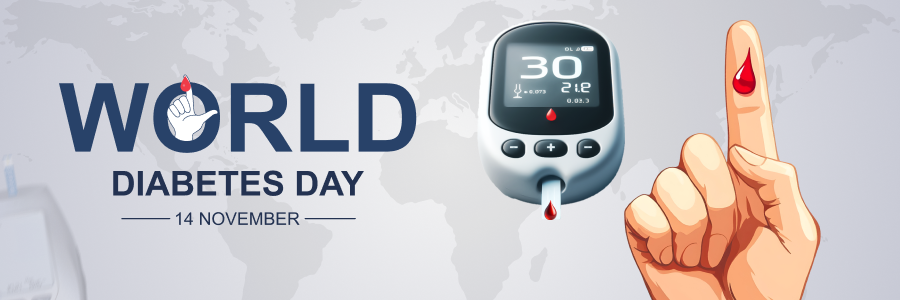
World Diabetes Day is observed every year on November 14th. It is the largest global health awareness campaign focused on diabetes. This day is celebrated by millions of people in over 160 countries.
The purpose of World Diabetes Day is to help people understand what diabetes is. How it affects the body, how to prevent it when possible, and how to effectively manage it when diagnosed.
This day encourages regular health check-ups, promotes healthier lifestyle choices, and increases awareness about early warning signs such as increased thirst, frequent urination, unexplained tiredness, and slow wound healing.
At its heart, World Diabetes Day reminds every person to pay attention to their health. Small lifestyle changes made early can prevent diabetes or reduce its complications. Awareness is not just information. It can save lives.
What is Diabetes & Types?
Diabetes is not just a condition. It affects how your body uses blood sugar (glucose), which is your main source of energy. When diabetes is not well managed, it can lead to serious health problems involving the heart, kidneys, eyes, nerves, and feet.
Three main types of diabetes:
Each type is different, but one message remains constant: Diabetes can be managed effectively with the right guidance, regular check-ups, healthy habits, and early interventions.
World Diabetes Day serves as a reminder to take diabetes seriously. Many people may have diabetes without knowing it, because the symptoms can be mild or easy to ignore in the early stages.
Get a second opinion from trusted experts and makeconfident, informed decisions.
Get Second OpinionNot sure where to start?
Talk to a patient care advisor — free, confidential, 24/7. We'll match you to the right specialist and book your appointment in minutes.
Importance of World Diabetes Day (WDD)
World Diabetes Day plays a crucial role in improving global understanding of diabetes.
Most people believe diabetes is only about sugar or diet, but in reality, it is much more complex. If not detected early and managed well, diabetes can lead to serious complications such as heart disease, kidney failure, nerve damage, vision loss, and poor wound healing. These complications can greatly affect day-to-day living. This is why increasing awareness is so important.
The observance also encourages regular blood sugar testing, especially for individuals who may be at higher risk, such as those with a family history of diabetes, people above age 40, and individuals with excess body weight or sedentary lifestyles.
Healthcare professionals use this day to educate the public about healthy living, including a balanced diet, exercise, and avoiding smoking.
World Diabetes Day also supports patients living with diabetes, reminding them that they are not alone. Improved treatments, better monitoring technologies, and strong medical guidance can help patients lead full and healthy lives.
Why is November 14th Recognized as World Diabetes Day?
World Diabetes Day is observed on November 14th to honour the birthday of Sir Frederick Banting. He invented insulin along with Charles Best in 1921.
The discovery of insulin transformed diabetes from a fatal disease into a manageable condition. Before insulin, people with diabetes had very limited treatment options and a very short life expectancy.
What is the Theme for World Diabetes Day 2025?
The World Health Organization (WHO) has announced the theme for this year’s World Diabetes Day, "Diabetes across life stages." The theme highlights that diabetes affects people of all ages, from childhood and adolescence to adulthood and old age. Because of this, everyone living with diabetes deserves to receive continuous, supportive and coordinated care throughout their lives.
The message behind the theme is simple and powerful:
Managing diabetes is not a moment in time. It is a lifelong journey. Whether people are learning to test their blood sugar for the first time, planning a healthy pregnancy, trying to stay active at work, or managing their health as they age, they need health care systems that support them at every stage.
Last 5 Years Themes of World Diabetes Day
Each year, World Diabetes Day highlights a theme that focuses on a key healthcare challenge, prevention goal, or urgent global need related to diabetes.
2024: "Access to Diabetes Care: Know Your Risk, Know Your Response"
2023: "Access to Diabetes Care: If Not Now, When?"
2022: "Education to Protect Tomorrow"
2021: "Access to Diabetes Care"
2020: "The Nurse and Diabetes"
These themes help guide awareness campaigns, medical education, and support activities across communities, hospitals, and public health systems.
History of World Diabetes Day (November 14)
The International Diabetes Federation (IDF) and the World Health Organization established World Diabetes Day in 1991 in response to the rising rates of diabetes worldwide.
Initially, the day focused on raising awareness, educating the public, and promoting research. In 2006, the United Nations officially recognised November 14th as World Diabetes Day with global importance. Today, World Diabetes Day is represented by the Blue Circle, symbolising unity and hope.
Your health is everything - prioritize your well-being today.
Schedule Your AppointmentGlobal Diabetes Coverage Targets
In 2022, World Health Organisation (WHO) member states adopted five global targets to improve diagnosis, management, and long-term patient outcomes by 2030.
These targets are designed to reduce complications and improve the quality of life for people with diabetes.
- 80% of People with Diabetes are diagnosed
- 80% of Diagnosed Patients Have Good Glycaemic Control
- 80% of Diagnosed Patients Have Good Blood Pressure Control
- 60% of People with Diabetes (Age 40+) Receive Statins
- 100% of People with Type 1 Diabetes Have Access to Insulin and Self-Monitoring
These targets reflect a global commitment to better diabetes care, fairness in healthcare access, and reducing preventable complications.
Preventive Measures to Manage Diabetes
Diabetes prevention and management focus on healthy habits, regular monitoring, and timely medical care. Whether you are at risk or already living with diabetes, these measures help protect your health and improve your daily well-being.
- Eat a balanced diet: Choose whole grains, vegetables, fruits, lean proteins, and healthy fats. Limit sugary drinks, fried foods, and processed snacks.
- Be physically active: Aim for at least 30 minutes of moderate activity, such as brisk walking, cycling, or yoga, most days of the week. Movement improves insulin sensitivity and helps maintain a healthy weight.
- Monitor blood sugar levels: Regular testing can help track how your body is responding to food, medications, and daily activities. It can also help prevent sudden spikes and drops.
- Take medications as prescribed: Follow your doctor’s guidance regarding insulin or oral diabetes medications. Don’t skip doses without advice.
- Reduce stress: Chronic stress can raise blood sugar levels. Relaxation techniques like breathing exercises, meditation, and hobbies can support emotional balance.
Frequently Asked Questions
November is important because it includes several major global health awareness observances, especially World Diabetes Day, World Pneumonia Day and Lung Cancer Awareness Month, which help promote early diagnosis, prevention, and healthier living.
The theme of this year’s WHO World Diabetes Day, "Diabetes across life stages," recognizes that every person living with diabetes should have access to integrated, continuous, and appropriate care throughout their life.
The colour symbol of World Diabetes Day is Blue, represented by a blue circle that symbolises unity and global support for people living with diabetes.
World Diabetes Day was declared by the World Health Organization (WHO) and the International Diabetes Federation (IDF) in 1991, and later recognized by the United Nations in 2006.
Common activities include free blood sugar screening camps, diabetes education sessions, awareness walks, healthy lifestyle workshops, diet counseling sessions, lighting landmarks in blue, and sharing support messages on social media.
Popular awareness quotes include simple supportive messages like: "Diabetes awareness starts with understanding," "Your health is in your hands," and "Early detection can save lives."
The 2025 slogan has not been officially released yet, but a meaningful message you can use is: "Know your risk. Take control. Live healthier."
- Cardiology
- Case Studies
- Dermatology
- Endocrinology
- ENT
- Fertility
- Gastroenterology
- General
- General-Medicine
- Gynecology
- Hematology
- Infectious-Diseases
- Medical News
- Neurology
- Oncology
- Ophthalmology
- Orthopedics
- Pediatrics
- Procedure
- Public-Health
- Pulmonology
- Radiology
- Second Opinion
- Urology
- Wellness
- Woman-and-child
Related Blogs
Still have questions? Speak with our experts now!
040-68334455


