 Call
Call Patient Reports
- Cardiology 84
- Dermatology 45
- Endocrinology 33
- ENT 16
- Fertility 190
- Gastroenterology 78
- General-Medicine 81
- Gynecology 80
- Hematology 19
- Infectious-Diseases 33
- Neurology 52
- Oncology 34
- Ophthalmology 23
- Orthopedics 69
- Pediatrics 31
- Procedure 23
- Public-Health 144
- Pulmonology 59
- Radiology 8
- Urology 68
- Wellness 161
- Woman-and-child 77
- 3420
- 3 Minute
Knowing When to Get a Second Opinion for Nerve Tumors
Peripheral nerve tumors, though rare, can significantly impact your health and quality of life. If you or a loved one has been diagnosed with a peripheral nerve tumor, you may be wondering when it is appropriate to seek a second opinion. Getting a second opinion can provide you with additional perspectives, confirm your diagnosis, and help you make informed decisions about your treatment options.
In this article, we will discuss the Timing for Peripheral Nerve Tumors Second Opinion and reasons for seeking a second opinion for peripheral nerve tumors at Medicover Hospitals.
Get a second opinion from trusted experts and makeconfident, informed decisions.
Get Second OpinionNot sure where to start?
Talk to a patient care advisor — free, confidential, 24/7. We'll match you to the right specialist and book your appointment in minutes.
Understanding Peripheral Nerve Tumors
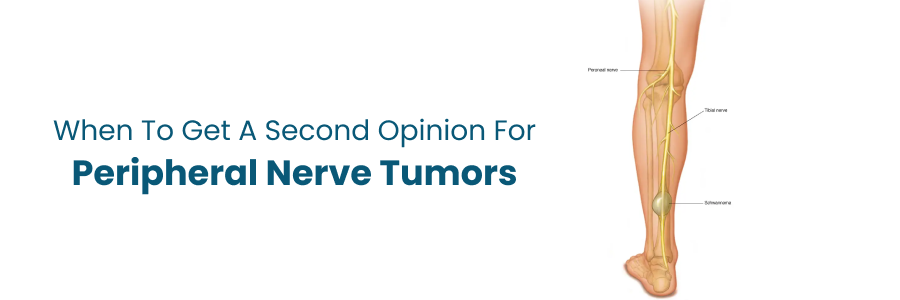
Peripheral nerve tumors are abnormal growths that develop in or near the nerves that carry signals from the brain to the rest of the body. These tumors can be benign (non-cancerous) or malignant (cancerous). They can occur anywhere in the body but are most commonly found in the arms, legs, and trunk.
Types of Peripheral Nerve Tumors
There are several types of peripheral nerve tumors, including:
- Schwannomas: Benign tumors that develop from Schwann cells, which form the protective sheath around nerves.
- Neurofibromas: Benign tumors that develop from the nerve itself and can be associated with a genetic disorder called neurofibromatosis.
- Malignant Peripheral Nerve Sheath Tumors (MPNSTs): Rare cancerous tumors that can arise from pre-existing benign tumors or occur spontaneously.
Knowing the type of tumor is crucial for determining the appropriate treatment plan.
Why Consider a Second Opinion?
Seeking a second opinion can be beneficial for several reasons:
- Confirming the Diagnosis: Peripheral nerve tumors can be challenging to diagnose accurately. Misdiagnosis or delayed diagnosis can lead to inappropriate or delayed treatment. A second opinion can help confirm the diagnosis and ensure that you are on the right path.
- Exploring Treatment Options: Treatment for peripheral nerve tumors can vary based on the type, location, and stage of the tumor. A second opinion can provide you with information about alternative treatments that may be available, including surgical options, radiation therapy, and chemotherapy.
- Evaluating the Stage of the Tumor: Accurate staging of the tumor is crucial for developing the most effective treatment plan. A Peripheral Nerve Tumors Diagnosis Timing Second Opinion ensures that the staging is accurate and appropriate treatment is selected.
When to Seek a Second Opinion
Knowing when to seek a second opinion is crucial. Here are some scenarios where a second opinion may be warranted:
- After the Initial Diagnosis: After receiving an initial diagnosis of a peripheral nerve tumor, it is a good idea to seek a second opinion. This can help confirm the diagnosis and provide you with additional information about the tumor and its potential impact on your health.
- Before Starting Treatment: Before beginning any treatment, it is important to learn all available options. A second opinion can provide you with information about alternative treatments and help you make an informed decision about the best course of action.
- If the Tumor Is Rare or Complex: If your tumor is rare or complex, it's especially valuable to seek a Second Opinion Timing for Peripheral Nerve Tumors from a specialist with experience in peripheral nerve tumors.
- If You Are Unsure About the Recommended Treatment: If you have any doubts or concerns about the recommended treatment plan, a second opinion can provide you with additional perspectives and help you feel more confident in your decision.
How to Seek a Second Opinion
- Choosing the Right Specialist: When seeking a second opinion, it is important to choose a specialist with expertise in peripheral nerve tumors. Look for a doctor who is experienced in diagnosing and treating these types of tumors and who is affiliated with a reputable medical institution, such as Medicover Hospitals.
- Preparing for the Appointment: Gather all relevant medical records, including imaging studies, pathology reports, and treatment plans. This ensures that the specialist can give a thorough Peripheral Nerve Tumors Stages Second Opinion Timing and diagnosis.
Asking the Right Questions
Prepare a list of questions to ask during your appointment. Some questions you may want to consider include:
- What type of peripheral nerve tumor do I have?
- What are my treatment options?
- What are the potential risks and benefits of each treatment option?
- How experienced are you in treating this type of tumor?
- What is the expected outcome of the recommended treatment?
Understanding the Second Opinion
Once you receive the second opinion, take the time to understand the information provided. If the second opinion differs from the initial diagnosis or treatment plan, discuss the differences with both doctors to gain a better understanding of your options.
The Role of Medicover Hospitals
Medicover Hospitals is committed to providing patients with the highest quality of care. Our team of specialists has extensive experience in diagnosing and treating peripheral nerve tumors. We offer a complete range of services, including:
- Advanced Diagnostic Techniques: We use advanced diagnostic techniques to accurately identify the type and stage of peripheral nerve tumors. This includes advanced imaging studies, such as MRI and CT scans, as well as biopsy procedures.
- Multidisciplinary Approach: Our multidisciplinary team includes specialists in neurosurgery, oncology, radiology, and pathology. This collaborative approach ensures that you receive a well-rounded and informed second opinion.
- Personalized Treatment Plans: We develop treatment plans tailored to your unique needs, emphasizing the Value of Second Opinion in Stomach Cancer and peripheral nerve tumors alike.
Conclusion
Seeking a Peripheral Nerve Tumors Diagnosis Timing Second Opinion is a critical step in ensuring the most accurate diagnosis and best possible treatment. Whether you are newly diagnosed or facing a complex case, a second opinion can provide peace of mind and a broader understanding of your options.
At Medicover Hospitals, our specialists are ready to offer expert care and personalized treatment plans. Don't hesitate to reach out and schedule your consultation with us today.
Your health is everything - prioritize your well-being today.
Schedule Your AppointmentFrequently Asked Questions
Empower yourself by seeking a second opinion for peripheral nerve tumours before starting any treatment or if you feel uncertain about your diagnosis. This proactive approach is crucial in exploring all available treatment options, giving you a sense of control and confidence in your healthcare decisions.
Timing is important because an early second opinion can provide different perspectives on your diagnosis, potentially leading to a more effective treatment plan. This potential for a more effective treatment plan can bring hope and optimism to your journey with peripheral nerve tumours.
The stage of peripheral nerve tumours affects the timing of a second opinion, as earlier stages might offer more treatment options. Peripheral Nerve Tumors Diagnosis Timing Second Opinion ensures that you receive the most suitable treatment at the right time.
Key indicators include uncertainty about your diagnosis, a rare or complex condition such as malignant peripheral nerve sheath tumors, or the need to confirm your treatment plan. When to Seek Peripheral Nerve Tumors, Second Opinion depends on these factors to ensure optimal care.
Yes, even late in the treatment process, a second opinion can offer new insights or alternative treatment options. However, delaying a Second Opinion for Peripheral Nerve Tumors can also mean delaying potentially more effective treatments. Therefore, it's ideally done early to maximize the benefits.
Consider the urgency of your condition, the complexity of your diagnosis, and your comfort with the initial diagnosis. The initial diagnosis is the starting point of your treatment journey, and if you have any doubts or concerns, it's important to seek a Second Opinion for peripheral Nerve Tumors. This timing is crucial for making informed decisions about your care.
- Cardiology
- Case Studies
- Dermatology
- Endocrinology
- ENT
- Fertility
- Gastroenterology
- General
- General-Medicine
- Gynecology
- Hematology
- Infectious-Diseases
- Medical News
- Neurology
- Oncology
- Ophthalmology
- Orthopedics
- Pediatrics
- Procedure
- Public-Health
- Pulmonology
- Radiology
- Second Opinion
- Urology
- Wellness
- Woman-and-child
Related Blogs
Still have questions? Speak with our experts now!
040-68334455


