 Call
Call Patient Reports
- Cardiology 84
- Dermatology 45
- Endocrinology 33
- ENT 16
- Fertility 190
- Gastroenterology 78
- General-Medicine 81
- Gynecology 80
- Hematology 19
- Infectious-Diseases 33
- Neurology 52
- Oncology 34
- Ophthalmology 23
- Orthopedics 69
- Pediatrics 31
- Procedure 23
- Public-Health 144
- Pulmonology 59
- Radiology 8
- Urology 68
- Wellness 161
- Woman-and-child 77
- 3795
- 3.2 Minute
When to Seek a Second Opinion in Vascular Endovascular Medicine
It is crucial to make informed decisions about your health. This is especially true in specialized fields like vascular and endovascular medicine.
Seeking a Second Opinion for vascular and Endovascular Care can provide valuable insights and peace of mind.
Get a second opinion from trusted experts and makeconfident, informed decisions.
Get Second OpinionNot sure where to start?
Talk to a patient care advisor — free, confidential, 24/7. We'll match you to the right specialist and book your appointment in minutes.
What Is Vascular Endovascular Medicine?
Vascular endovascular medicine focuses on diagnosing and treating diseases related to blood vessels, including arteries, veins, and lymphatic vessels.
Conditions treated under this speciality can range from varicose veins to life-threatening aneurysms.
Types of Treatments
Treatments in vascular endovascular medicine can be broadly categorized into:
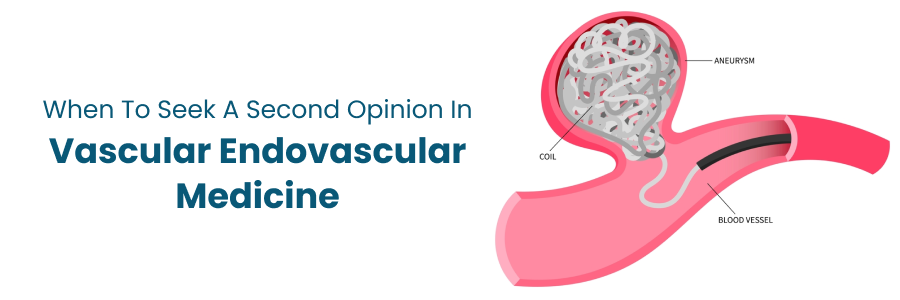
- Minimally Invasive Procedures: These include angioplasty, stenting, and endovascular aneurysm repair.
- Surgical Procedures: These include bypass surgery and open repair of aneurysms.
Why Seek a Second Opinion?
Seeking a second opinion can be beneficial for various reasons. Here are a few to consider:
- Confirming a Diagnosis: One of the main reasons to seek a second opinion is to confirm a diagnosis. Misdiagnosis can lead to unnecessary treatments or missed opportunities for adequate care.
- Exploring Treatment Options: Not all doctors have the same approach to treatment. A second opinion can offer alternative treatment options that you may have yet to consider. This is particularly important in complex cases where multiple treatment paths are available.
- Understanding Risks and Benefits: Every treatment comes with its own set of risks and benefits. Consulting another specialist can help you better understand these aspects, allowing you to make a more informed decision.
When to Seek a Second Opinion
Knowing when to seek a second opinion is critical. Here are some scenarios where getting another perspective is advisable:
- Complex or Rare Conditions: If you have been diagnosed with a complex or rare condition, it’s wise to get a second opinion. Specialized conditions often require a tailored approach, and another expert can provide valuable insights.
- Unsatisfactory Progress: If your condition isn’t improving despite ongoing treatment, it might be time to consult another specialist. A fresh set of eyes can sometimes spot issues that were previously overlooked.
- Major Surgery Recommendations: If your doctor recommends major surgery, it’s always a good idea to seek a second opinion. Surgery is a significant step, and understanding all your options is crucial.
How to Seek a Second Opinion
Step 1: Gather Your Medical Records
Before seeking a second opinion, gather all your medical records, including test results, imaging studies, and treatment history. This will provide the new specialist with a complete view of your condition.
Step 2: Research Specialists
Look for specialists in vascular endovascular medicine who have experience in treating your specific condition. Medicover Hospitals has a team of highly qualified Vascular and Endovascular specialists in this field.
Step 3: Schedule an Appointment
Once you’ve identified a specialist, schedule an appointment for a consultation. Make sure to mention that you are seeking a second opinion.
Step 4: Prepare Your Questions
Prepare a list of questions you want to ask during your consultation. These can include questions about your diagnosis, treatment options, and the risks and benefits of each option.
What to Expect During a Second Opinion
During your second opinion consultation, the specialist will review your medical records and may conduct additional tests.
They will then provide you with their assessment, which may confirm your original diagnosis or offer alternative options.
- Reviewing Your Diagnosis: The specialist will review your initial diagnosis to confirm its accuracy. They may ask you about your symptoms, medical history, and any treatments you’ve undergone so far.
- Discussing Treatment Options: The specialist will discuss various treatment options with you, including their risks and benefits. They will help you understand which treatment is most suitable for your condition.
- Providing a Written Summary: After the consultation, the specialist may provide you with a written summary of their findings and recommendations. This can be useful for discussing your options with your original doctor.
Importance of a Second Opinion in Vascular Endovascular Medicine
- Enhanced Treatment Plans: A second opinion can lead to a more effective treatment plan. Different specialists may have different approaches, and combining these insights can result in a more complete treatment strategy.
- Increased Confidence: Knowing that another expert has reviewed your case can increase your confidence in your treatment plan. This can alleviate anxiety and help you focus on your recovery.
- Avoiding Unnecessary Procedures: A second opinion can help you avoid unnecessary procedures and treatments. This is particularly important in vascular endovascular medicine, where treatments can be invasive and carry significant risks.
Your health is everything - prioritize your well-being today.
Schedule Your AppointmentConclusion
Seeking a second opinion in vascular endovascular medicine can provide you with additional insights, alternative treatment options, and increased confidence in your healthcare decisions.
Medicover Hospitals offers a team of experienced specialists who can provide you with the expertise you need to make informed decisions.
Don’t hesitate to Seek a Second Opinion in Vascular Endovascular Medicine when it comes to your vascular health.
Frequently Asked Questions
You should seek a second opinion in vascular endovascular medicine if you have doubts about the diagnosis, need confirmation of the treatment plan, or want to explore alternative options for better outcomes.
The timing for seeking a second opinion in vascular endovascular care is crucial when the diagnosis is uncertain or if the treatment plan requires further validation.
The best time to get a second opinion for vascular endovascular care is when you have concerns about the diagnosis, need additional validation, or want to explore other treatment options.
Timing for a second opinion in vascular endovascular medicine is determined by factors such as the complexity of the case, patient concerns, and the need for additional validation of the diagnosis and treatment plan.
Consider factors like the accuracy of the initial diagnosis, the clarity of the treatment plan, and the potential benefits of exploring alternative treatment options.
It is essential to seek a second opinion in vascular endovascular medicine to ensure the accuracy of the diagnosis and to explore all available treatment options for optimal patient care.
- Cardiology
- Case Studies
- Dermatology
- Endocrinology
- ENT
- Fertility
- Gastroenterology
- General
- General-Medicine
- Gynecology
- Hematology
- Infectious-Diseases
- Medical News
- Neurology
- Oncology
- Ophthalmology
- Orthopedics
- Pediatrics
- Procedure
- Public-Health
- Pulmonology
- Radiology
- Second Opinion
- Urology
- Wellness
- Woman-and-child
Related Blogs
Still have questions? Speak with our experts now!
040-68334455


