 Call
Call Patient Reports
- Cardiology 84
- Dermatology 45
- Endocrinology 33
- ENT 16
- Fertility 190
- Gastroenterology 78
- General-Medicine 81
- Gynecology 80
- Hematology 19
- Infectious-Diseases 33
- Neurology 52
- Oncology 34
- Ophthalmology 23
- Orthopedics 69
- Pediatrics 31
- Procedure 23
- Public-Health 144
- Pulmonology 59
- Radiology 8
- Urology 68
- Wellness 161
- Woman-and-child 77
- 3759
- 3.5 Minute
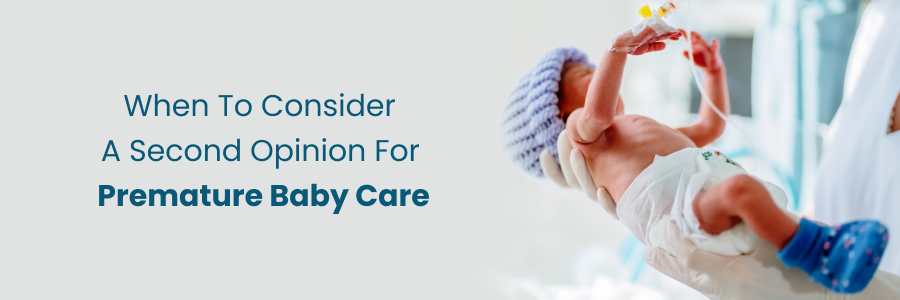
When to Consider a Second Opinion for Premature Baby Care
Caring for a premature baby can be challenging and emotional. With so many decisions to make regarding the health and well-being of your little one, it's essential to feel confident in the care they receive.
Sometimes, seeking a second opinion can provide the reassurance and additional insight you need.
Understanding Premature Baby Care
Premature babies, or preemies, are born before the 37th week of pregnancy. These infants often require specialised medical attention due to underdeveloped organs and systems.
Neonatal Intensive Care Units (NICUs) provide the necessary environment and medical care to support these fragile infants.
Common Health Issues in Premature Babies
Premature babies face several health challenges, including:
Get a second opinion from trusted experts and makeconfident, informed decisions.
Get Second OpinionNot sure where to start?
Talk to a patient care advisor — free, confidential, 24/7. We'll match you to the right specialist and book your appointment in minutes.
- Respiratory problems
- Feeding difficulties
- Infections
- Temperature regulation issues
- Jaundice
Understanding these challenges helps in recognizing when a second opinion might be beneficial.
Why Consider a Second Opinion?
Seeking a second opinion is not about doubting your current healthcare provider but rather ensuring that your baby receives the best possible care. Here are some reasons to consider a second opinion:
- Confirmation of Diagnosis: A second opinion can confirm or clarify a diagnosis, especially if you receive a complex or rare diagnosis. Another neonatologist may offer different insights or suggest alternative treatments.
- Exploring Treatment Options: Different doctors might have varying approaches to treatment. A second opinion can open up new possibilities for care that you may not have considered, especially if your baby is not responding well to the current treatment.
- Ensuring Complete Care: Premature babies often require care from multiple specialists. A second opinion can ensure that all aspects of your baby's health are being addressed completely.
- Peace of Mind: Knowing that you have explored all options and received advice from multiple experts can provide peace of mind. This reassurance is invaluable during such a stressful time.
When to Seek a Second Opinion
Here are some situations where seeking a second opinion may be particularly beneficial:
- Persistent Health Issues: If your baby continues to face health challenges despite ongoing treatment, it might be time to seek a second opinion. Issues like respiratory problems, feeding difficulties, or repeated infections warrant additional insights.
- Unclear Diagnosis: If the diagnosis provided by your current healthcare team is unclear or uncertain, a second opinion can help clarify the situation, ensuring that your baby receives appropriate and timely care.
- Before Major Procedures: Before undergoing major medical procedures, such as surgery, it's wise to seek a second opinion. This can confirm the necessity of the procedure and explore less invasive alternatives if available.
- Lack of Improvement: If your baby's health is not improving as expected, consulting another neonatologist can provide new perspectives on the treatment plan, helping identify any gaps in care or suggesting more effective interventions.
How to Seek a Second Opinion at Medicover Hospitals
Medicover Hospitals are well-equipped with advanced NICUs and experienced neonatologists. Here's how you can seek a second opinion:
- Talk to Your Current Healthcare Provider: Start by discussing your concerns with your current healthcare provider. They can provide valuable information and may even recommend a specialist for a second opinion.
- Gather Medical Records: Collect all relevant medical records, including test results, treatment plans, and progress notes. This information is crucial for the second opinion provider to make an informed assessment.
- Schedule an Appointment: Contact Medicover Hospitals to schedule an appointment with a neonatologist for a second opinion. Ensure you provide all necessary medical records and any specific concerns you have.
- Prepare Questions: Prepare a list of questions or concerns you want to address during the second opinion consultation. This ensures that you cover all essential aspects and gain a complete understanding of your baby's health.
Benefits of Seeking a Second Opinion at Medicover Hospitals
Medicover Hospitals offer several benefits when it comes to seeking a second opinion for premature baby care:
- Expertise and Experience: The neonatologists at Medicover Hospitals have extensive experience in handling complex neonatal cases, ensuring your baby receives the best possible care.
- Advanced Technology: Medicover Hospitals are equipped with advanced medical technology, ensuring accurate diagnosis and effective treatment options.
- Collaborative Approach: The healthcare team at Medicover Hospitals adopts a collaborative approach, involving specialists from various fields to provide complete care for your baby.
- Patient-Centred Care: Medicover Hospitals prioritise patient-centred care, ensuring that your concerns are heard and addressed fostering trust and confidence in the care provided.
Your health is everything - prioritize your well-being today.
Schedule Your AppointmentConclusion
Caring for a premature baby requires careful consideration and informed decision-making. Seeking a second opinion at Medicover Hospitals can provide the additional insight and reassurance you need during this critical time.
Whether it's confirming a diagnosis, exploring new treatment options, or ensuring complete care, a second opinion can be a valuable resource in your baby's healthcare journey.
Frequently Asked Questions
Seek a second opinion if there are concerns about the effectiveness of the current treatment for premature baby care.
Indicators include uncertainty about the diagnosis or treatment plan and concerns about the progress of premature baby health.
A second opinion can provide clarity and alternative strategies if the timing or approach to neonatal care seems questionable.
A second opinion can offer new insights or confirm the existing treatment plan for premature infant treatment.
It is essential when there are discrepancies in the treatment approach or concerns about the outcomes of preterm baby care.
Seeking a second opinion can enhance the care plan and improve premature baby health by providing additional perspectives.
- Cardiology
- Case Studies
- Dermatology
- Endocrinology
- ENT
- Fertility
- Gastroenterology
- General
- General-Medicine
- Gynecology
- Hematology
- Infectious-Diseases
- Medical News
- Neurology
- Oncology
- Ophthalmology
- Orthopedics
- Pediatrics
- Procedure
- Public-Health
- Pulmonology
- Radiology
- Second Opinion
- Urology
- Wellness
- Woman-and-child
Related Blogs
Still have questions? Speak with our experts now!
040-68334455


