 Call
Call Patient Reports
- Cardiology 84
- Dermatology 45
- Endocrinology 33
- ENT 16
- Fertility 190
- Gastroenterology 78
- General-Medicine 81
- Gynecology 80
- Hematology 19
- Infectious-Diseases 33
- Neurology 52
- Oncology 34
- Ophthalmology 23
- Orthopedics 69
- Pediatrics 31
- Procedure 23
- Public-Health 144
- Pulmonology 59
- Radiology 8
- Urology 68
- Wellness 161
- Woman-and-child 77
- 3759
- 3.5 Minute
Ureterocele Causes and Its Treatments
Ureterocele is a congenital abnormality involving the ureter, the duct that allows urine to pass from the kidney to the bladder. If not appropriately diagnosed and treated, this condition can lead to various complications. In this article, we will delve deep into the causes, symptoms, complications, and treatment options for ureterocele, providing a comprehensive understanding of this medical condition.
What is Ureterocele?
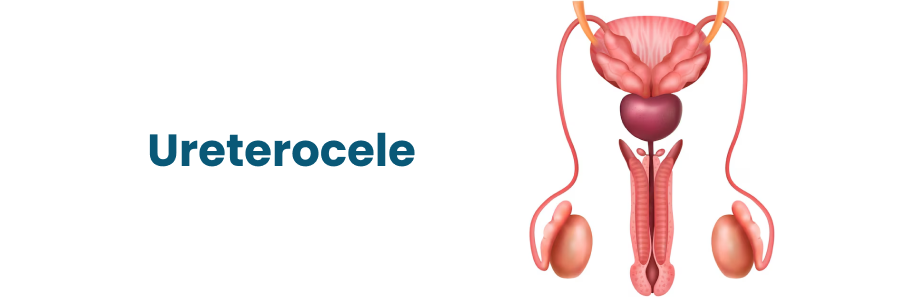
Ureterocele is a cystic dilation of the distal ureter, where it enters the bladder. This ballooning can cause significant obstruction to urine flow, leading to urinary tract infections (UTIs), hydronephrosis (swelling of a kidney due to urine buildup), and even kidney damage over time.
Causes of Ureterocele
The exact cause of ureterocele remains unknown, but it is believed to result from a congenital disability. During fetal development, the ureter may fail to form correctly, causing the end of the ureter to balloon out and create a cyst-like structure. This malformation can occur in isolation or alongside other urinary tract anomalies.
Genetic Factors
While most cases of ureterocele are sporadic, there is some evidence suggesting a genetic predisposition. A family history of urinary tract anomalies may increase the risk of a child being born with ureterocele.
Environmental Factors
Certain environmental factors during pregnancy, such as maternal infections or exposure to specific medications, might contribute to the development of ureterocele, though conclusive evidence is still lacking.
Get a second opinion from trusted experts and makeconfident, informed decisions.
Get Second OpinionNot sure where to start?
Talk to a patient care advisor — free, confidential, 24/7. We'll match you to the right specialist and book your appointment in minutes.
Symptoms of Ureterocele
The symptoms of ureterocele can vary widely depending on the severity of the obstruction and whether it is unilateral or bilateral. Common symptoms include:
- Recurrent urinary tract infections (UTIs)
- Painful urination
- Abdominal pain
- Hematuria (blood in urine)
- Urinary incontinence or retention
In infants and young children, symptoms might be less specific and could present as general irritability, fever, or failure to thrive.
Diagnosis of Ureterocele
The diagnosis of ureterocele typically involves a combination of imaging studies and clinical evaluation.
Ultrasonography
Ultrasound is often the first-line imaging modality used to diagnose ureterocele. It can reveal the characteristic cystic dilation of the ureter within the bladder.
Voiding Cystourethrogram (VCUG)
A VCUG involves filling the bladder with a contrast dye and taking X-rays during urination. This test can show the presence of a ureterocele and assess for any associated vesicoureteral reflux (backward flow of urine from the bladder into the ureters or kidneys).
Intravenous Pyelogram (IVP)
An IVP involves injecting a contrast dye into a vein and taking X-rays as the dye travels through the urinary system. This test can provide detailed images of the kidneys, ureters, and bladder, helping to identify the ureterocele and any resulting obstruction.
Complications of Ureterocele
If left untreated, ureterocele can lead to several severe complications:
Hydronephrosis
The obstruction caused by ureterocele can lead to hydronephrosis, a condition characterized by kidney swelling due to urine buildup. Over time, this can cause progressive kidney damage and loss of renal function.
Urinary Tract Infections
The stagnant urine resulting from ureterocele can create a breeding ground for bacteria, leading to recurrent urinary tract infections. These infections can ascend to the kidneys, causing pyelonephritis, a severe kidney infection.
Bladder Dysfunction
Ureterocele can interfere with normal bladder function, leading to urinary incontinence or retention. This can result in significant discomfort and impact the quality of life.
Renal Failure
In severe cases, untreated ureterocele can lead to irreversible kidney damage and, ultimately, renal failure. Early diagnosis and appropriate treatment are crucial to prevent this outcome.
Ureterocele Treatment Options
The treatment of ureterocele depends on the severity of the condition, the presence of symptoms, and the risk of complications. Treatment options include both surgical and non-surgical approaches.
Non-Surgical Management
In cases where the ureterocele is small and asymptomatic, a conservative approach with regular monitoring may be appropriate. This involves periodic imaging studies to assess for any changes in the size of the ureterocele or the degree of obstruction.
Endoscopic Puncture
Endoscopic puncture is a minimally invasive procedure that involves using a cystoscope to puncture the ureterocele, allowing urine to flow freely. This procedure is often performed in children and can provide immediate relief of obstruction.
Surgical Procedures for Ureterocele
Several surgical options are available for the treatment of ureterocele:
Ureteral Reimplantation
Ureteral reimplantation involves repositioning the affected ureter to a different location in the bladder, bypassing the ureterocele. This procedure is often performed in children with significant obstruction or recurrent UTIs.
Partial Nephrectomy
In cases where the ureterocele has caused severe kidney damage, partial nephrectomy (removal of the affected portion of the kidney) may be necessary. This procedure aims to preserve as much healthy kidney tissue as possible.
Complete Excision
Complete excision involves removing the entire ureterocele and reconstructing the affected ureter. This procedure is typically reserved for severe cases or when other treatment options have failed.
Your health is everything - prioritize your well-being today.
Schedule Your AppointmentUreterocele in Children
Ureterocele is most commonly diagnosed in children, often during prenatal ultrasounds or in the first few years of life. Early diagnosis and treatment are crucial to prevent long-term complications and ensure normal urinary function.
Pediatric Considerations
Pediatric patients with ureterocele require specialized care from a pediatric urologist. Treatment plans should be tailored to the child's age, overall health, and the severity of the condition. Regular follow-up and monitoring are essential to ensure optimal outcomes.
Long-Term Outlook
With appropriate treatment, most children with ureteroceles can achieve normal urinary function and avoid severe complications. However, lifelong monitoring may be necessary in some cases to detect any recurrence or new issues.
Conclusion
Ureterocele is a congenital condition that can lead to significant complications if not properly diagnosed and treated. Understanding the causes, symptoms, and treatment options for ureterocele is essential for ensuring timely and effective management. If you suspect that you or your child may have ureterocele, it is crucial to seek medical evaluation and consult with a specialist to determine the best course of action.
Frequently Asked Questions
Ureterocele is caused by a congenital abnormality where the distal end of the ureter swells and obstructs urine flow.
Symptoms include urinary tract infections, pain, blood in the urine, and, in severe cases, kidney damage or bladder dysfunction.
Diagnosis is made using ultrasound, voiding cystourethrogram (VCUG), and cystoscopy to visualize the ureterocele and assess urine flow.
Treatment options include surgical correction, such as endoscopic puncture, ureteral reimplantation, or ureterocelectomy.
Yes, untreated ureterocele can lead to recurrent infections, kidney damage, or bladder dysfunction.
- Cardiology
- Case Studies
- Dermatology
- Endocrinology
- ENT
- Fertility
- Gastroenterology
- General
- General-Medicine
- Gynecology
- Hematology
- Infectious-Diseases
- Medical News
- Neurology
- Oncology
- Ophthalmology
- Orthopedics
- Pediatrics
- Procedure
- Public-Health
- Pulmonology
- Radiology
- Second Opinion
- Urology
- Wellness
- Woman-and-child
Related Blogs
Still have questions? Speak with our experts now!
040-68334455


