 Call
Call Patient Reports
- Cardiology 84
- Dermatology 45
- Endocrinology 33
- ENT 16
- Fertility 190
- Gastroenterology 78
- General-Medicine 81
- Gynecology 80
- Hematology 19
- Infectious-Diseases 33
- Neurology 52
- Oncology 34
- Ophthalmology 23
- Orthopedics 69
- Pediatrics 31
- Procedure 23
- Public-Health 144
- Pulmonology 59
- Radiology 8
- Urology 68
- Wellness 161
- Woman-and-child 77
- 3850
- 3 Minute
Effective Treatment Options for Anal Cancer in Hyderabad
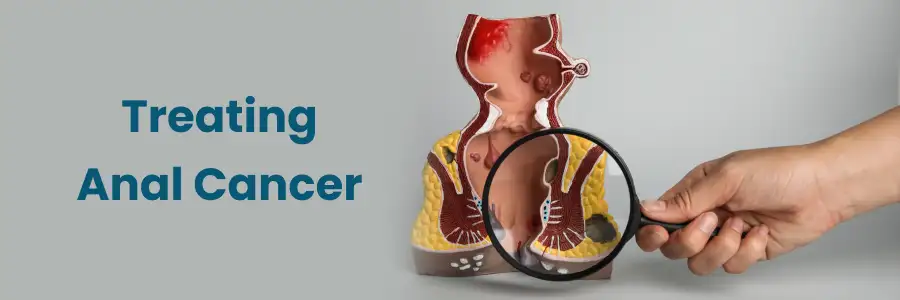
Anal cancer is a relatively rare form of cancer that affects the tissues of the anus. Understanding the available treatment options is crucial for anyone diagnosed with this condition. This article will provide an overview of the most effective treatments for anal cancer, including surgery, radiation therapy, and other leading therapies.
Get a second opinion from trusted experts and makeconfident, informed decisions.
Get Second OpinionNot sure where to start?
Talk to a patient care advisor — free, confidential, 24/7. We'll match you to the right specialist and book your appointment in minutes.
Understanding Anal Cancer
Anal cancer occurs when abnormal cells in the anus grow uncontrollably. Early diagnosis and treatment are essential for the best outcomes. Symptoms may include bleeding, pain, itching, or a lump near the anus. If you experience any of these symptoms, it's essential to consult a healthcare professional promptly.
Surgery for Anal Cancer
Surgery is a common treatment for anal cancer, especially in its early stages. There are different types of surgery depending on the cancer's location and stage.
Local Resection
Local resection involves removing the tumor and a small margin of healthy tissue around it. This method is typically used for small tumors that have not spread to other areas. The goal is to preserve the anal sphincter muscles, which helps maintain normal bowel function.
Abdominoperineal Resection (APR)
For more advanced cases, an abdominoperineal resection (APR) may be necessary. This surgery involves removing the anus, rectum, and part of the sigmoid colon. The procedure results in a permanent colostomy, where the end of the bowel is brought out through an opening in the abdomen to collect waste in a bag.
Radiation Therapy
Radiation therapy uses high-energy rays to kill cancer cells and shrink tumors. It is often combined with chemotherapy for a more effective treatment approach.
External Beam Radiation Therapy (EBRT)
External beam radiation therapy (EBRT) is the most common type of radiation treatment for anal cancer. It involves directing radiation beams from outside the body to the cancerous area. The treatment is usually given five days a week for several weeks.
Intensity-Modulated Radiation Therapy (IMRT)
Intensity-modulated radiation therapy (IMRT) is a more advanced form of EBRT that allows doctors to adjust the radiation's intensity and target the tumor more precisely. This technique helps minimize damage to surrounding healthy tissues and reduces side effects.
Chemotherapy
Chemotherapy uses drugs to destroy cancer cells and is often used in combination with radiation therapy. The most common chemotherapy drugs for anal cancer include 5-fluorouracil (5-FU) and mitomycin.
Neoadjuvant Chemotherapy
Neoadjuvant chemotherapy is administered before surgery or radiation therapy to shrink the tumor and make other treatments more effective.
Adjuvant Chemotherapy
Adjuvant chemotherapy is given after surgery to eliminate any remaining cancer cells and reduce the risk of recurrence.
Immunotherapy
Immunotherapy is a newer treatment option that helps the body's immune system recognize and attack cancer cells. It is mainly used for advanced anal cancer that has not responded to other treatments.
Immune Checkpoint Inhibitors
Immune checkpoint inhibitors are drugs that block proteins that prevent immune cells from attacking cancer cells. Pembrolizumab and nivolumab are examples of checkpoint inhibitors used to treat anal cancer.
Targeted Therapy
Targeted therapy involves drugs that specifically target cancer cells' unique characteristics, such as proteins or genes, and interfere with their growth. This treatment is often used for advanced or recurrent anal cancer.
Monoclonal Antibodies
Monoclonal antibodies are a type of targeted therapy that binds to specific proteins on cancer cells, marking them for destruction by the immune system. Cetuximab is an example of a monoclonal antibody used to treat anal cancer.
Clinical Trials
Participating in clinical trials can provide access to modern treatments that are not yet widely available. Clinical trials test new therapies or combinations of treatments to determine their safety and effectiveness.
Benefits of Clinical Trials
Clinical trials offer several benefits, including access to new treatments, close monitoring by healthcare professionals, and contributing to medical research that may benefit future patients.
Your health is everything - prioritize your well-being today.
Schedule Your AppointmentManaging Side Effects
Cancer treatments can cause various side effects, which can be challenging to manage. Common side effects include fatigue, nausea, diarrhea, and skin irritation. It's essential to communicate with your healthcare team about any side effects you experience, as they can provide strategies and medications to help manage them.
Supportive Care
Supportive care, also known as palliative care, focuses on improving the quality of life for patients by addressing physical, emotional, and psychological needs. This type of care can be provided alongside curative treatments.
Lifestyle and Self-Care During Treatment
Maintaining a healthy lifestyle can help support your body during cancer treatment. Eating a balanced diet, staying hydrated, and getting regular exercise can improve your overall well-being and help manage side effects.
Nutrition
Good nutrition is essential during cancer treatment. Eating a variety of fruits, vegetables, lean proteins, and whole grains can provide the nutrients your body needs to heal and stay strong.
Exercise
Regular physical activity can help reduce fatigue, improve mood, and maintain muscle strength. Aim for at least 30 minutes of moderate exercise most days of the week, but always consult your healthcare team before starting any new exercise program.
Emotional Support
Dealing with a cancer diagnosis and treatment can be emotionally challenging. Seeking support from friends, family, or support groups can help you cope with the emotional aspects of your journey.
Counseling and Support Groups
Talking to a counselor or joining a support group can provide a safe space to share your feelings, gain insights from others who have been through similar experiences, and receive emotional support.
Follow-Up Care
Regular follow-up appointments are crucial to monitor your progress, manage any long-term side effects, and detect any signs of recurrence early. Your healthcare team will develop a follow-up care plan tailored to your needs.
Surveillance and Monitoring
Follow-up care typically includes physical exams, imaging tests, and lab work to ensure that the cancer has not returned and to monitor your overall health.
Conclusion
Effective treatment options for anal cancer include surgery, radiation therapy, chemotherapy, immunotherapy, and targeted therapy. Each patient's treatment plan will be unique, depending on the cancer's stage and location, as well as the patient's overall health and preferences. By understanding the available options and working closely with your healthcare team, you can make informed decisions about your care and improve your chances of a successful outcome.
Frequently Asked Questions
The leading treatments include surgery, radiation therapy, and chemotherapy, often used in combination depending on the cancer stage.
Yes, targeted therapy is available in select hospitals for patients with specific genetic profiles of anal cancer.
Yes, some hospitals in Hyderabad offer minimally invasive procedures to treat anal cancer with faster recovery times and fewer complications.
Radiation therapy, often combined with chemotherapy, is highly effective in treating anal cancer, especially in early stages.
Major medicover hospital and specialized hospitals in Hyderabad have experienced oncologists and advanced facilities for treating anal cancer.
- Cardiology
- Case Studies
- Dermatology
- Endocrinology
- ENT
- Fertility
- Gastroenterology
- General
- General-Medicine
- Gynecology
- Hematology
- Infectious-Diseases
- Medical News
- Neurology
- Oncology
- Ophthalmology
- Orthopedics
- Pediatrics
- Procedure
- Public-Health
- Pulmonology
- Radiology
- Second Opinion
- Urology
- Wellness
- Woman-and-child
Related Blogs
Still have questions? Speak with our experts now!
040-68334455


