 Call
Call Patient Reports
- Cardiology 84
- Dermatology 45
- Endocrinology 33
- ENT 16
- Fertility 190
- Gastroenterology 78
- General-Medicine 81
- Gynecology 80
- Hematology 19
- Infectious-Diseases 33
- Neurology 52
- Oncology 34
- Ophthalmology 23
- Orthopedics 69
- Pediatrics 31
- Procedure 23
- Public-Health 144
- Pulmonology 59
- Radiology 8
- Urology 68
- Wellness 161
- Woman-and-child 77
- 3759
- 3.5 Minute
Tissue Sample Analysis at Medicover Hospitals, Begumpet
Tissue sample analysis is a critical component in modern medical diagnostics and research. It involves examining and testing tissue samples to identify disease, understand its progression, and determine the most effective treatment options. Accurate tissue analysis can mean the difference between a correct diagnosis and a missed opportunity for timely intervention. At Medicover Hospital in Begumpet, cutting-edge techniques are utilized to ensure precise diagnostics and effective patient care.
Get a second opinion from trusted experts and makeconfident, informed decisions.
Get Second OpinionNot sure where to start?
Talk to a patient care advisor — free, confidential, 24/7. We'll match you to the right specialist and book your appointment in minutes.
What is Tissue Sample Analysis?
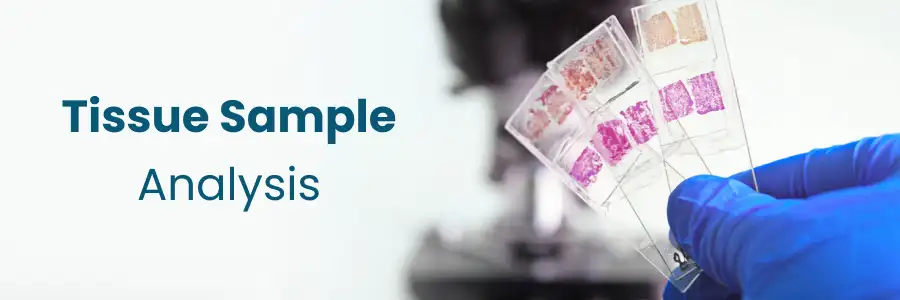
Tissue sample analysis, also known as histopathology, involves the microscopic examination of tissue samples to study the manifestations of disease. These samples can come from various parts of the body and are often collected during biopsies or surgeries. The primary goal is to obtain detailed information about the tissue's structure, function, and any abnormalities present.
The Role of Tissue Sample Analysis in Diagnostics
Accurate tissue analysis is crucial for diagnosing a wide range of medical conditions, from cancers to inflammatory diseases. By examining tissue samples, pathologists can identify cellular changes that indicate disease, determine its severity, and recommend appropriate treatment plans. At Medicover Hospital in Begumpet, specialized pathologists ensure that every tissue sample is meticulously analyzed to provide the most accurate diagnostic information.
Types of Tissue Samples
There are various types of tissue samples, including:
- Biopsies: Small samples taken from a suspicious area.
- Surgical Specimens: Larger samples obtained during surgery.
- Cytology Specimens: Samples of cells, often collected using fine-needle aspiration.
The Tissue Sample Evaluation Process
The tissue sample evaluation process involves several steps, each crucial for ensuring accurate results.
Collection and Fixation
The first step is the collection of the tissue sample. This may be done through a biopsy, surgery, or other methods. Once collected, the sample is preserved using a fixation process, typically involving formalin. This step is essential to prevent degradation and maintain the tissue's cellular structure.
Processing and Embedding
After fixation, the tissue sample undergoes processing, which includes dehydration and clearing. The sample is then embedded in paraffin wax to provide support for thin slicing. This allows for the creation of fine sections necessary for microscopic examination.
Sectioning and Staining
Thin sections of the tissue are cut using a microtome and placed on glass slides. These sections are then stained with specific dyes to highlight different cellular components. Hematoxylin and eosin (H&E) staining is the most common method, but other specialized stains may be used based on the diagnostic needs.
Microscopic Examination
Finally, the stained tissue sections are examined under a microscope by a pathologist. This step is where the detailed evaluation and diagnosis take place. The pathologist looks for abnormalities in cell structure, arrangement, and other markers that indicate disease.
Advanced Tissue Analysis Techniques
Advancements in technology have significantly improved tissue sample diagnostics, providing more accurate and detailed information.
Immunohistochemistry (IHC)
Immunohistochemistry involves using antibodies to detect specific antigens in the tissue. This technique helps identify particular proteins and cellular markers, aiding in the diagnosis of cancers and other diseases. IHC is especially valuable for distinguishing between different types of tumors and understanding their behavior.
Molecular Pathology
Molecular pathology focuses on the genetic and molecular changes within the tissue. Techniques such as polymerase chain reaction (PCR) and fluorescence in situ hybridization (FISH) allow for the detection of genetic mutations and alterations. Molecular pathology is crucial for personalized medicine, as it helps tailor treatments based on the patient's unique genetic profile.
Digital Pathology
Digital pathology involves scanning tissue sections and creating high-resolution digital images. These images can be analyzed using software tools, allowing for more precise measurements and automated detection of abnormalities. Digital pathology also facilitates remote consultations and collaborative diagnostics, a practice well-established at Medicover Hospital in Begumpet.
Importance of Accurate Tissue Analysis
Accurate tissue sample analysis has several significant impacts on healthcare and patient outcomes.
Early Detection and Diagnosis
Early detection of diseases, especially cancers, can significantly improve treatment outcomes. Accurate tissue analysis helps identify diseases at an early stage, allowing for timely intervention and better prognosis.
Personalized Treatment Plans
Understanding the specific characteristics of a patient's disease enables the development of personalized treatment plans. Accurate tissue diagnostics provide detailed information that guides the selection of the most effective therapies, reducing the risk of ineffective treatments and adverse effects.
Research and Development
Tissue sample analysis is also vital for medical research and the development of new treatments. By studying tissue samples, researchers can gain insights into disease mechanisms, identify potential drug targets, and develop innovative therapies.
Challenges in Tissue Sample Analysis
Despite its importance, tissue sample analysis faces several challenges that need to be addressed.
Sample Quality
The quality of the tissue sample is critical for accurate analysis. Poorly collected or preserved samples can lead to incorrect diagnoses. Ensuring proper collection, fixation, and processing techniques is essential for reliable results.
Interpretation Variability
The interpretation of tissue samples can vary between pathologists, leading to inconsistent diagnoses. Standardizing evaluation criteria and utilizing advanced techniques like digital pathology can help reduce variability and improve diagnostic accuracy.
Technological Limitations
While advanced techniques have improved tissue analysis, technological limitations still exist. Access to cutting-edge equipment and training for pathologists are necessary to fully leverage these advancements.
Your health is everything - prioritize your well-being today.
Schedule Your AppointmentConclusion
Tissue sample analysis is a cornerstone of modern diagnostics and medical research. It enables accurate disease detection, personalized treatment plans, and advances in medical knowledge. By understanding the tissue sample evaluation process and utilizing advanced techniques, healthcare professionals can improve patient outcomes and drive innovation in the field. Medicover Hospital in Begumpet is at the forefront of this critical work, ensuring that patients receive the highest standard of care through precise and advanced tissue analysis.
In conclusion, accurate tissue analysis is essential for effective healthcare, and ongoing advancements in technology will continue to enhance its capabilities. Medicover Hospital in Begumpet remains committed to incorporating these innovations into their diagnostic processes, offering patients the best possible care.
Frequently Asked Questions
Medicover analyzes various types of tissue samples, including biopsies from skin, organs, or tumors, and samples from surgeries.
You can schedule a tissue sample analysis by contacting your doctor at Medicover Hospitals, who will arrange for the sample collection and analysis.
Diagnostic tests include histopathological examination, immunohistochemistry, molecular testing, and sometimes genetic analysis.
Accuracy is ensured through rigorous quality control procedures, validated testing methods, and reviews by experienced pathologists.
Follow-up steps may include further diagnostic tests, consultations with specialists, and development of a treatment plan based on the analysis results.
- Cardiology
- Case Studies
- Dermatology
- Endocrinology
- ENT
- Fertility
- Gastroenterology
- General
- General-Medicine
- Gynecology
- Hematology
- Infectious-Diseases
- Medical News
- Neurology
- Oncology
- Ophthalmology
- Orthopedics
- Pediatrics
- Procedure
- Public-Health
- Pulmonology
- Radiology
- Second Opinion
- Urology
- Wellness
- Woman-and-child
Related Blogs
Still have questions? Speak with our experts now!
040-68334455


