 Call
Call Patient Reports
- Cardiology 84
- Dermatology 45
- Endocrinology 33
- ENT 16
- Fertility 190
- Gastroenterology 78
- General-Medicine 81
- Gynecology 80
- Hematology 19
- Infectious-Diseases 33
- Neurology 52
- Oncology 34
- Ophthalmology 23
- Orthopedics 69
- Pediatrics 31
- Procedure 23
- Public-Health 144
- Pulmonology 59
- Radiology 8
- Urology 68
- Wellness 161
- Woman-and-child 77
- 3618
- 3.7 Minute
Complete Overview of Thrombophob Gel
Thrombophob Gel is a topical medication widely recognized for its efficacy in treating various skin conditions and alleviating pain associated with injections. This article delves into the uses, benefits, composition, and potential side effects of Thrombophob Gel, providing a comprehensive understanding of its applications.
Get a second opinion from trusted experts and makeconfident, informed decisions.
Get Second OpinionNot sure where to start?
Talk to a patient care advisor — free, confidential, 24/7. We'll match you to the right specialist and book your appointment in minutes.
What is Thrombophob Gel?
Thrombophob Gel is an anticoagulant medication commonly used to treat superficial thrombophlebitis, a condition characterized by the inflammation of veins due to blood clots. The gel is also employed to alleviate pain and swelling resulting from injections or intravenous infusions.
Composition of Thrombophob Gel
The active ingredients in Thrombophob Gel include heparin sodium and benzyl nicotinate. Heparin sodium is an anticoagulant that prevents the formation of blood clots, while benzyl nicotinate acts as a vasodilator, enhancing blood flow to the affected area. These components work synergistically to alleviate symptoms associated with superficial thrombophlebitis and other conditions.
Uses of Thrombophob Gel
Thrombophob Gel for Injection Pain
One of the primary uses of Thrombophob Gel is to alleviate pain and swelling associated with injections. The gel is applied topically to the injection site, where it helps reduce inflammation and discomfort. This makes it particularly useful for individuals who undergo frequent injections or intravenous infusions.
Thrombophob Gel for Superficial Thrombophlebitis
Thrombophob Gel is highly effective in treating superficial thrombophlebitis, a condition characterized by the inflammation of veins near the surface of the skin. The anticoagulant properties of heparin sodium help dissolve blood clots, while benzyl nicotinate enhances blood flow, reducing inflammation and pain.
Thrombophob Gel for Bruising and Hematomas
The gel is also used to treat bruises and hematomas, which are collections of blood outside of blood vessels. By improving blood circulation and preventing clot formation, Thrombophob Gel accelerates the healing process and reduces discoloration and swelling.
Thrombophob Gel for Baby
Thrombophob Gel is sometimes used in pediatric care, particularly for babies who require frequent injections or vaccinations. The gel helps reduce pain and swelling at the injection site, making the experience less traumatic for the infant. However, it is essential to consult a pediatrician before using Thrombophob Gel on a baby.
Benefits of Thrombophob Gel
Rapid Pain Relief
One of the significant benefits of Thrombophob Gel is its ability to provide rapid pain relief. The active ingredients work quickly to reduce inflammation and discomfort, making it an ideal choice for individuals experiencing pain from injections or superficial thrombophlebitis.
Improved Blood Circulation
The vasodilatory effects of benzyl nicotinate enhance blood flow to the affected area, promoting faster healing and reducing the risk of complications. Improved blood circulation also helps prevent the formation of new blood clots, making Thrombophob Gel effective in managing conditions like superficial thrombophlebitis.
Easy Application
Thrombophob Gel is easy to apply and can be used at home without the need for medical supervision. The gel is absorbed quickly into the skin, providing fast-acting relief without leaving a greasy residue.
Potential Side Effects of Thrombophob Gel
While Thrombophob Gel is generally well-tolerated, some individuals may experience side effects. Common side effects include:
Skin Irritation
Some users may experience skin irritation, redness, or itching at the application site. This is usually mild and resolves on its own. If the irritation persists or worsens, it is advisable to discontinue use and consult a healthcare professional.
Allergic Reactions
In rare cases, individuals may experience allergic reactions to Thrombophob Gel. Symptoms of an allergic reaction include rash, hives, swelling, and difficulty breathing. If any of these symptoms occur, seek immediate medical attention.
Contraindications
Thrombophob Gel is contraindicated in individuals with known hypersensitivity to heparin sodium, benzyl nicotinate, or any other components of the gel. It should also be used with caution in individuals with bleeding disorders or those taking anticoagulant medications.
How to Use Thrombophob Gel
Application Instructions
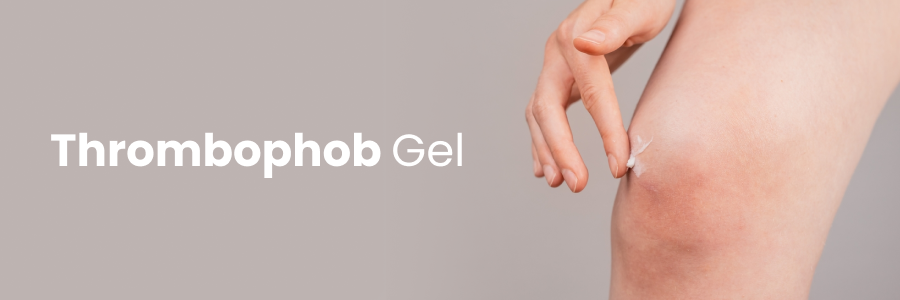
To use Thrombophob Gel, apply a thin layer to the affected area and gently massage it into the skin. The gel should be used two to three times daily or as directed by a healthcare professional. Avoid applying the gel to open wounds, mucous membranes, or areas with broken skin.
Precautions
- Always wash your hands before and after applying Thrombophob Gel.
- Do not use the gel on large areas of the body without medical supervision.
- Keep the gel out of reach of children and store it at room temperature, away from direct sunlight.
Your health is everything - prioritize your well-being today.
Schedule Your AppointmentConclusion
Thrombophob Gel is a versatile and effective medication for managing pain and inflammation associated with injections, superficial thrombophlebitis, and other conditions. Its rapid pain-relieving properties, combined with its ability to improve blood circulation, make it a valuable addition to any first-aid kit.
Frequently Asked Questions
Thrombophob gel is used to relieve symptoms associated with varicose veins and to reduce swelling and inflammation.
Apply a thin layer to the affected area and gently massage it in, usually two to three times daily.
Common side effects may include skin irritation, redness, and allergic reactions.
It should not be applied to broken or damaged skin; consult a doctor for alternatives.
Improvement in symptoms can often be noticed within a few days of consistent use.
Disclaimer: The information provided is accurate and up-to-date to the best of our knowledge. However, it should not be considered a substitute for medical advice or consultation. We do not guarantee its completeness or accuracy. The absence of specific warnings does not mean a medicine is safe for all users. We are not responsible for any outcomes based on this information and strongly recommend consulting a doctor for any medical concerns or questions.
- Cardiology
- Case Studies
- Dermatology
- Endocrinology
- ENT
- Fertility
- Gastroenterology
- General
- General-Medicine
- Gynecology
- Hematology
- Infectious-Diseases
- Medical News
- Neurology
- Oncology
- Ophthalmology
- Orthopedics
- Pediatrics
- Procedure
- Public-Health
- Pulmonology
- Radiology
- Second Opinion
- Urology
- Wellness
- Woman-and-child
Related Blogs
Still have questions? Speak with our experts now!
040-68334455


