 Call
Call Patient Reports
- Cardiology 84
- Dermatology 45
- Endocrinology 33
- ENT 16
- Fertility 190
- Gastroenterology 78
- General-Medicine 81
- Gynecology 80
- Hematology 19
- Infectious-Diseases 33
- Neurology 52
- Oncology 34
- Ophthalmology 23
- Orthopedics 69
- Pediatrics 31
- Procedure 23
- Public-Health 144
- Pulmonology 59
- Radiology 8
- Urology 68
- Wellness 161
- Woman-and-child 77
- 3759
- 3.5 Minute
Understanding the Synthesis of Warfarin
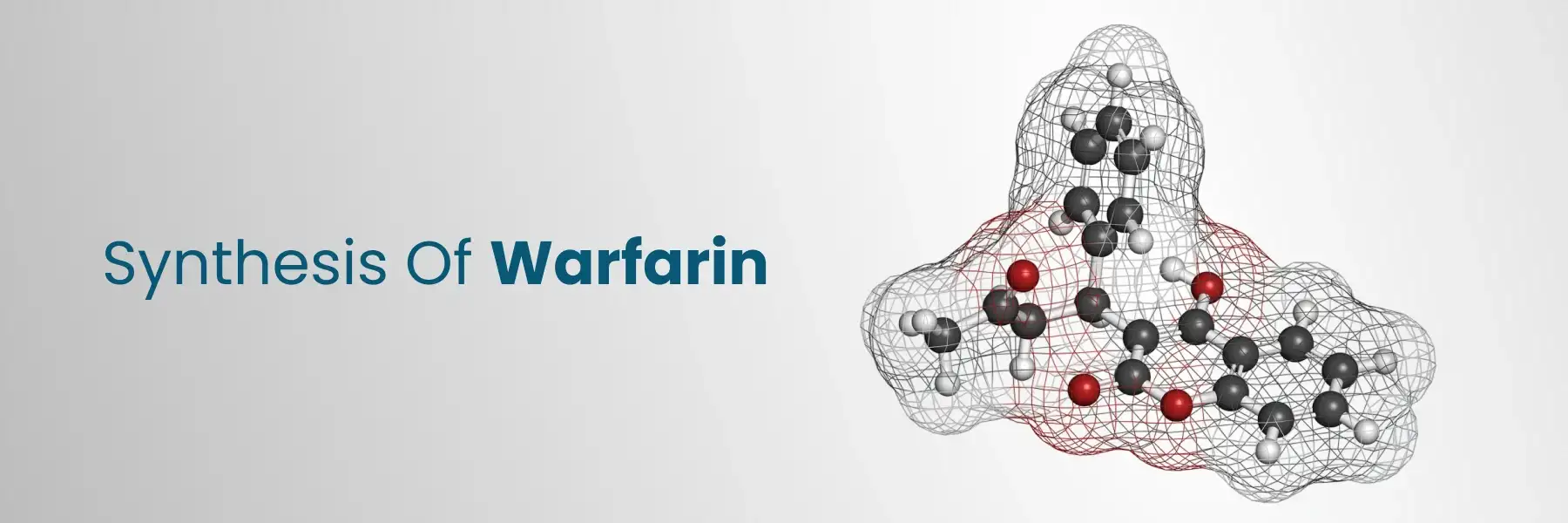
Warfarin, a widely used anticoagulant known under brand names like Coumadin, is a life-saving drug that plays a crucial role in preventing blood clots, which can lead to strokes, heart attacks, and other severe conditions. But have you ever wondered how this vital drug is made? In this article, we'll delve into the synthesis of Warfarin, breaking down the process into simple steps.
What is Warfarin?
Before we delve into the synthesis process, it's essential to understand Warfarin. Warfarin is a chemical compound that inhibits blood clot formation. It is often prescribed for patients who are at high risk of developing blood clots. By inhibiting the synthesis of clotting factors, Warfarin helps maintain a smooth flow of blood.
Get a second opinion from trusted experts and makeconfident, informed decisions.
Get Second OpinionNot sure where to start?
Talk to a patient care advisor — free, confidential, 24/7. We'll match you to the right specialist and book your appointment in minutes.
The Importance of Warfarin Synthesis
Understanding the Warfarin synthesis mechanism and pathway is not just for chemists. It is crucial for medical professionals, students, and even patients to grasp the complexity and importance of this drug. A clear understanding of its synthesis is the key to the development of better and more efficient drugs in the future, underscoring the importance of your knowledge and expertise.
Warfarin Synthesis Pathway
The synthesis of Warfarin involves several steps. Here, we'll outline the major stages in the Warfarin synthesis pathway.
Step 1: Starting Materials
The synthesis begins with simple organic molecules. The starting materials are typically 4-hydroxycoumarin and benzylideneacetone. These compounds are chosen for their ability to undergo specific chemical reactions that lead to the formation of Warfarin.
Step 2: Aldol Condensation Reaction
The first significant reaction in the Warfarin synthesis process is an aldol condensation reaction. In this step, 4-hydroxycoumarin reacts with benzylideneacetone in the presence of a base, usually sodium hydroxide (NaOH). This reaction forms a critical intermediate compound known as 3-(α-acetonylbenzyl)-4-hydroxycoumarin.
Step 3: Cyclization Reaction
Next, the intermediate undergoes a cyclization reaction. In this step, the intermediate compound forms a ring structure, which is crucial for the Warfarin molecule. Acidic conditions, often hydrochloric acid (HCl), facilitate this reaction.
Step 4: Purification
After the cyclization reaction, the Warfarin molecule is almost complete. However, the product obtained is usually impure and needs purification. This is typically done using techniques like recrystallization, where the compound is dissolved in a solvent and then slowly crystallized to remove impurities.
Step 5: Final Product
The final step in the Warfarin synthesis mechanism involves drying and packaging the purified compound. The result is a pure, stable Warfarin product that can be used in medical treatments.
Chemical Reactions Involved in Warfarin Synthesis
The Warfarin synthesis reaction involves multiple chemical reactions. Here's a closer look at the critical responses:
Aldol Condensation
Aldol condensation is a reaction between an aldehyde or ketone and a compound containing an active methylene group. It forms a β-hydroxy aldehyde or ketone, which can then undergo dehydration to form an α,β-unsaturated carbonyl compound. In Warfarin synthesis, this reaction is essential for creating the intermediate compound.
Cyclization
Cyclization is the process of forming a ring structure from a linear molecule. This reaction is crucial in Warfarin synthesis as it forms the core structure of the Warfarin molecule. Acidic conditions help facilitate this reaction, ensuring the ring forms correctly.
Real-World Applications of Warfarin
Warfarin is primarily used as an anticoagulant in medical treatments. It helps prevent blood clots in patients with conditions like atrial fibrillation, deep vein thrombosis, and pulmonary embolism. Understanding its synthesis can also lead to the development of new drugs with similar or improved properties.
Challenges in Warfarin Synthesis
While the Warfarin synthesis steps are well-established, there are challenges. One major challenge is ensuring the purity of the final product. Impurities can affect the drug's efficacy and safety. Another challenge is the scalability of the synthesis process. Producing Warfarin on a large scale requires efficient and cost-effective methods.
Future Directions in Warfarin Synthesis
Researchers are continually looking for ways to improve the Warfarin synthesis process. One area of focus is developing greener, more sustainable methods. This could involve using environmentally friendly solvents or catalysts. Another area of research is creating Warfarin analogues with improved properties, such as better bioavailability or reduced side effects. These future directions inspire hope for even more efficient and sustainable methods for synthesizing this life-saving drug.
Your health is everything - prioritize your well-being today.
Schedule Your AppointmentConclusion
Understanding the Warfarin synthesis mechanism, pathway, and steps is crucial for various stakeholders, from chemists to medical professionals. The process involves several vital reactions, including aldol condensation and cyclization, leading to the formation of a critical anticoagulant. As research continues, we can look forward to even more efficient and sustainable methods for synthesizing this life-saving drug.
The synthesis of Warfarin is a fascinating and complex process. By breaking it down into simple steps, we can appreciate the intricate science behind this essential medication and its profound impact on healthcare.
Frequently Asked Questions
Key steps include the formation of a coumarin derivative, condensation with a substituted benzylamine, and cyclization to form warfarin.
Reactions include esterification, Friedel-Crafts acylation, and cyclization.
Intermediates include coumarin derivatives and benzylamine derivatives.
Warfarin is synthesized through a series of chemical reactions involving coumarin and substituted benzylamine, followed by cyclization and purification steps.
Disclaimer: The information provided is accurate and up-to-date to the best of our knowledge. However, it should not be considered a substitute for medical advice or consultation. We do not guarantee its completeness or accuracy. The absence of specific warnings does not mean a medicine is safe for all users. We are not responsible for any outcomes based on this information and strongly recommend consulting a doctor for any medical concerns or questions.
- Cardiology
- Case Studies
- Dermatology
- Endocrinology
- ENT
- Fertility
- Gastroenterology
- General
- General-Medicine
- Gynecology
- Hematology
- Infectious-Diseases
- Medical News
- Neurology
- Oncology
- Ophthalmology
- Orthopedics
- Pediatrics
- Procedure
- Public-Health
- Pulmonology
- Radiology
- Second Opinion
- Urology
- Wellness
- Woman-and-child
Related Blogs
Still have questions? Speak with our experts now!
040-68334455


