 Call
Call Patient Reports
- Cardiology 84
- Dermatology 45
- Endocrinology 33
- ENT 16
- Fertility 190
- Gastroenterology 78
- General-Medicine 81
- Gynecology 80
- Hematology 19
- Infectious-Diseases 33
- Neurology 52
- Oncology 34
- Ophthalmology 23
- Orthopedics 69
- Pediatrics 31
- Procedure 23
- Public-Health 144
- Pulmonology 59
- Radiology 8
- Urology 68
- Wellness 161
- Woman-and-child 77
- 3759
- 3.5 Minute
Surgical Management of Meningitis
Meningitis is a severe and potentially life-threatening condition that involves inflammation of the meninges, the protective membranes surrounding the brain and spinal cord. While antibiotics and antiviral medications are the primary treatments for meningitis, some cases may require surgical intervention. In this article, we will explore various surgical options for treating meningitis, mainly focusing on purulent meningitis and its complications.
Get a second opinion from trusted experts and makeconfident, informed decisions.
Get Second OpinionNot sure where to start?
Talk to a patient care advisor — free, confidential, 24/7. We'll match you to the right specialist and book your appointment in minutes.
Understanding Meningitis and Its Complications
Bacterial, viral, fungal, or parasitic infections can cause meningitis. Bacterial meningitis, particularly purulent meningitis, is the most severe form, often leading to significant complications that may necessitate surgical management. Complications such as hydrocephalus, brain abscesses, and increased intracranial pressure can arise, making timely surgical intervention crucial.
Surgical Management of Meningitis
Surgical management of meningitis encompasses several procedures aimed at alleviating complications and preventing further neurological damage. Here, we will discuss the most common surgical interventions used in managing meningitis-related complications.
Surgery for Meningitis-Related Hydrocephalus
Hydrocephalus, a condition characterized by an accumulation of cerebrospinal fluid (CSF) in the brain, is a common complication of meningitis. This increased fluid pressure can damage brain tissues and necessitates immediate treatment.
Ventriculoperitoneal Shunt Placement
A ventriculoperitoneal (VP) shunt is a surgical procedure used to treat hydrocephalus. The shunt system diverts the excess CSF from the ventricles in the brain to the peritoneal cavity, where it can be absorbed. This procedure helps relieve intracranial pressure and prevents further neurological damage.
Decompressive Craniectomy for Meningitis
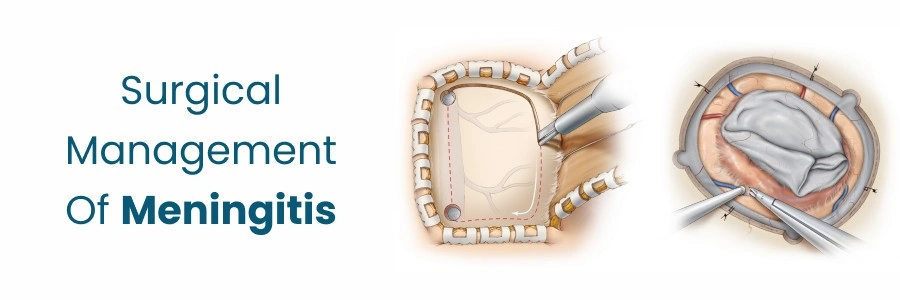
In cases of severe brain swelling and increased intracranial pressure, a decompressive craniectomy may be necessary. This surgical procedure involves removing a portion of the skull to allow the swollen brain to expand without being compressed. This can be a life-saving intervention, particularly in acute settings.
Meningitis and Skull Base Surgery
Meningitis can sometimes lead to infections at the skull base, which may require specialized surgical intervention. Skull base surgery is a complex procedure that involves accessing the base of the skull to remove infected tissue, drain abscesses, or repair damaged structures. This type of surgery often requires a multidisciplinary team of neurosurgeons, otolaryngologists, and infectious disease specialists.
Surgical Intervention for Chronic Meningitis
Chronic meningitis is a prolonged form of the disease that can persist for months or even years. Surgical intervention may be necessary to address persistent complications, such as recurrent hydrocephalus or chronic brain abscesses.
Brain Abscess Drainage
Brain abscesses are localized pockets of infection within the brain tissue. These abscesses can be life-threatening if not promptly treated. Surgical drainage of brain abscesses involves creating an opening in the skull to access and remove the infected material. This procedure is often followed by long-term antibiotic therapy to ensure complete eradication of the infection.
Meningitis and Ventriculoperitoneal Shunt Placement
As previously mentioned, VP shunt placement is a standard surgical treatment for hydrocephalus resulting from meningitis. This procedure can also be used in cases of chronic hydrocephalus where other treatments have failed. The shunt system helps maintain normal intracranial pressure and prevents further complications.
Indications for VP Shunt Placement
VP shunt placement is indicated in patients with persistent hydrocephalus who do not respond to medical management. Symptoms such as headaches, nausea, vomiting, and altered mental status may indicate the need for this surgical intervention. Early diagnosis and treatment are critical to prevent long-term neurological damage.
Decompressive Craniectomy: Indications and Outcomes
Decompressive craniectomy is a high-risk procedure typically reserved for cases of severe brain swelling and increased intracranial pressure that do not respond to medical management. This surgery can be life-saving but carries significant risks, including infection, bleeding, and neurological deficits.
Outcomes and Prognosis
The outcomes of decompressive craniectomy vary depending on the severity of the underlying condition and the timing of the intervention. Early intervention is associated with better outcomes, while delayed treatment may result in poor prognosis. Postoperative care, including rehabilitation and close monitoring, is essential for optimal recovery.
Your health is everything - prioritize your well-being today.
Schedule Your AppointmentConclusion
Surgical options for meningitis treatment are critical in managing severe complications and improving patient outcomes. From ventriculoperitoneal shunt placement to decompressive craniectomy, these surgical interventions can be life-saving for patients with meningitis-related complications.
Timely diagnosis, appropriate surgical intervention, and comprehensive postoperative care are essential to ensure the best possible outcomes for patients with meningitis. If you or a loved one is facing meningitis and its complications, consult with a specialized medical team to explore the most suitable surgical options.
Frequently Asked Questions
Surgery may be required if there are complications such as brain abscesses, severe hydrocephalus, or other structural issues related to meningitis.
A brain abscess is a localized collection of pus within the brain that may require surgical intervention if it results from or is complicated by meningitis.
Hydrocephalus, or fluid buildup in the brain, may occur due to meningitis and might require surgical procedures to relieve pressure and drain excess fluid.
Common procedures include drainage of abscesses, placement of a ventriculoperitoneal shunt for hydrocephalus, and, rarely, debridement of infected tissue.
The decision is based on the severity of complications, patient condition, and response to medical treatment; it often involves a multidisciplinary team.
- Cardiology
- Case Studies
- Dermatology
- Endocrinology
- ENT
- Fertility
- Gastroenterology
- General
- General-Medicine
- Gynecology
- Hematology
- Infectious-Diseases
- Medical News
- Neurology
- Oncology
- Ophthalmology
- Orthopedics
- Pediatrics
- Procedure
- Public-Health
- Pulmonology
- Radiology
- Second Opinion
- Urology
- Wellness
- Woman-and-child
Related Blogs
Still have questions? Speak with our experts now!
040-68334455


