 Call
Call Patient Reports
- Cardiology 84
- Dermatology 45
- Endocrinology 33
- ENT 16
- Fertility 190
- Gastroenterology 78
- General-Medicine 81
- Gynecology 80
- Hematology 19
- Infectious-Diseases 33
- Neurology 52
- Oncology 34
- Ophthalmology 23
- Orthopedics 69
- Pediatrics 31
- Procedure 23
- Public-Health 144
- Pulmonology 59
- Radiology 8
- Urology 68
- Wellness 161
- Woman-and-child 77
- 3759
- 3.5 Minute
Causes of Sudden Hair Loss in Women: Is It Hormonal?
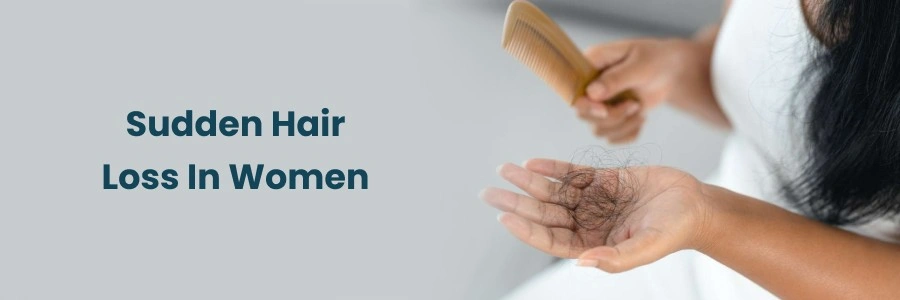
Sudden hair loss in women can be alarming and distressing. While it's normal to shed some hair daily, losing a significant amount in a short period can signal an underlying issue. One common question is whether these sudden changes are hormonal. Let's delve into the various causes of sudden hair loss in women and determine if hormones play a role.
Get a second opinion from trusted experts and makeconfident, informed decisions.
Get Second OpinionNot sure where to start?
Talk to a patient care advisor — free, confidential, 24/7. We'll match you to the right specialist and book your appointment in minutes.
Understanding Hair Loss
Before identifying the causes, it's essential to understand how hair growth works. Hair grows in cycles, including growth, rest, and shedding phases. Normally, about 85-90% of the hair on your scalp is in the growth phase, while the rest is in the resting or shedding phase. When this cycle is disrupted, it can lead to noticeable hair loss.
Hormonal Causes of Hair Loss
Hormones significantly influence hair growth and loss. Here are some hormonal causes of hair loss in women:
Menopause
Menopause brings about a decline in estrogen levels, which can lead to hair thinning and loss. Estrogen helps maintain hair growth, and its reduction can disrupt the hair growth cycle.
Pregnancy and Postpartum
During pregnancy, increased estrogen levels can prolong the growth phase, leading to thicker hair. However, after childbirth, estrogen levels drop, causing hair to enter the shedding phase, known as postpartum hair loss.
Thyroid Disorders
Both hyperthyroidism (overactive thyroid) and hypothyroidism (underactive thyroid) can cause hair loss. Thyroid hormones regulate metabolism and growth, including hair growth, so an imbalance can affect the hair cycle.
Polycystic Ovary Syndrome (PCOS)
PCOS is a hormonal disorder that can cause hair loss. Women with PCOS often have higher levels of androgens (male hormones), which can shrink hair follicles and shorten the hair growth cycle.
Non-Hormonal Causes of Hair Loss
Hair loss isn't always hormonal. Several other factors can contribute to sudden hair loss in women:
Stress
Physical or emotional stress can trigger hair loss. This condition, known as telogen effluvium, pushes hair into the shedding phase prematurely. Stress-related hair loss is usually temporary, but it can be distressing.
Nutritional Deficiencies
A lack of essential nutrients, such as iron, protein, and vitamins, can lead to hair loss. A balanced diet is crucial for maintaining healthy hair.
Medications
Certain medications, like chemotherapy drugs, blood thinners, and antidepressants, can cause hair loss as a side effect. If you suspect your medication is causing hair loss, consult your doctor for alternatives.
Medical Conditions
Autoimmune diseases like alopecia areata, scalp infections, and skin disorders can cause hair loss. It's essential to address the underlying medical condition to manage hair loss effectively.
Identifying Sudden Hair Loss Causes
Identifying the cause of sudden hair loss can be challenging but is crucial for effective treatment. Here are some steps to help identify the cause:
Medical History
Review your medical history, including any recent illnesses, surgeries, or changes in medications. This information can help pinpoint potential triggers for hair loss.
Blood Tests
Blood tests can reveal hormonal imbalances, nutritional deficiencies, and thyroid disorders. These tests provide valuable insights into the underlying causes of hair loss.
Scalp Examination
A dermatologist can examine your scalp to identify signs of infections, inflammation, or other conditions contributing to hair loss. In some cases, a scalp biopsy may be necessary.
Hair Pull Test
A hair pull test involves gently tugging on small sections of hair to see how many strands come out. This test helps determine the severity of hair loss and whether it's due to breakage or shedding.
Managing Hormonal Hair Loss
If hormonal imbalances are causing your hair loss, several strategies can help manage it:
Hormone Replacement Therapy (HRT)
HRT can help balance hormone levels in women experiencing menopause. Consult your doctor to determine if HRT is suitable for you.
Medications
Certain medications, like minoxidil, can promote hair growth and slow hair loss. Your doctor can prescribe the appropriate treatment based on your condition.
Diet and Nutrition
A balanced diet rich in vitamins and minerals is essential for healthy hair. Include foods high in iron, protein, and omega-3 fatty acids to support hair growth.
Stress Management
Managing stress through relaxation techniques, exercise, and adequate sleep can help reduce stress-related hair loss. Consider practices like yoga, meditation, or therapy to manage stress effectively.
Hair Care Routine
Avoid harsh hair treatments and styling practices that can damage hair. Use gentle shampoos and conditioners, and avoid excessive heat styling.
Your health is everything - prioritize your well-being today.
Schedule Your AppointmentConclusion
Sudden hair loss in women can have various causes, including hormonal imbalances, stress, nutritional deficiencies, and medical conditions. Identifying the underlying cause is crucial for effective treatment. If you suspect hormonal issues are causing your hair loss, consult a healthcare professional for proper diagnosis and treatment.
By understanding the potential causes and adopting appropriate strategies, you can manage hair loss and promote healthy hair growth. Remember, early intervention is key to addressing hair loss effectively.
Frequently Asked Questions
Common causes include hormonal imbalances, stress, nutritional deficiencies, medical conditions, and certain medications.
Hormonal imbalances, such as those from thyroid issues or menopause, can disrupt the hair growth cycle, leading to sudden hair loss.
Stress can trigger hair loss by pushing hair follicles into the resting phase of the hair growth cycle, leading to increased shedding.
Deficiencies in nutrients like iron, zinc, and biotin can impair hair growth and result in sudden hair loss.
Conditions such as thyroid disorders, autoimmune diseases, and polycystic ovary syndrome (PCOS) can contribute to sudden hair loss.
- Cardiology
- Case Studies
- Dermatology
- Endocrinology
- ENT
- Fertility
- Gastroenterology
- General
- General-Medicine
- Gynecology
- Hematology
- Infectious-Diseases
- Medical News
- Neurology
- Oncology
- Ophthalmology
- Orthopedics
- Pediatrics
- Procedure
- Public-Health
- Pulmonology
- Radiology
- Second Opinion
- Urology
- Wellness
- Woman-and-child
Related Blogs
Still have questions? Speak with our experts now!
040-68334455


