 Call
Call Patient Reports
- Cardiology 84
- Dermatology 45
- Endocrinology 33
- ENT 16
- Fertility 190
- Gastroenterology 78
- General-Medicine 81
- Gynecology 80
- Hematology 19
- Infectious-Diseases 33
- Neurology 52
- Oncology 34
- Ophthalmology 23
- Orthopedics 69
- Pediatrics 31
- Procedure 23
- Public-Health 144
- Pulmonology 59
- Radiology 8
- Urology 68
- Wellness 161
- Woman-and-child 77
- 3759
- 3.5 Minute
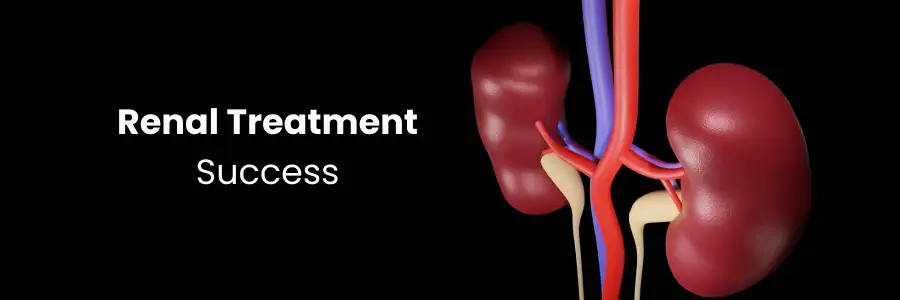
Success Rates of Various Renal Treatment Options at Medicover Hospitals
Kidney diseases are a significant health concern affecting millions worldwide. At Medicover Hospitals, we prioritize providing our patients with the best possible renal treatments. But how do you know which treatment option is the most effective? In this article, we will explore how to assess the success rates and effectiveness of various renal treatment options available at Medicover Hospitals.
Renal Treatment Options
Renal treatments can vary based on the stage and severity of the disease. Here are some common renal treatment options:
- Medications: Often the first line of treatment, medications can help manage symptoms and slow the progression of kidney disease.
- Dialysis : A procedure that filters and purifies the blood using a machine, dialysis is typically required when the kidneys fail to perform this function adequately.
- Kidney Transplant : For patients with end-stage renal disease, a kidney transplant may be the best option.
Assessing the success rates and effectiveness of these treatments involves looking at various factors, including clinical outcomes, patient satisfaction, and quality of life improvements.
Get a second opinion from trusted experts and makeconfident, informed decisions.
Get Second OpinionNot sure where to start?
Talk to a patient care advisor — free, confidential, 24/7. We'll match you to the right specialist and book your appointment in minutes.
Medications for Renal Disease
Success Rates
Medications are often prescribed to manage chronic kidney disease (CKD) and its symptoms. The success rate of medication largely depends on the type and stage of kidney disease. For early-stage CKD, medications can be very effective in slowing disease progression and managing symptoms.
Effectiveness
The effectiveness of medications is measured by:
- Blood Pressure Control: Many kidney diseases are linked to high blood pressure. Effective medications help maintain blood pressure within normal ranges.
- Proteinuria Reduction: Lowering protein levels in the urine can indicate effective treatment.
- GFR Stabilization: Glomerular Filtration Rate (GFR) should remain stable or decline slowly with effective medication.
Dialysis: Hemodialysis and Peritoneal Dialysis
Dialysis is a critical treatment for advanced kidney disease. There are two main types: Hemodialysis and Peritoneal Dialysis.
Hemodialysis
Success Rates
Hemodialysis has a high success rate in prolonging life and improving the quality of life for patients with end-stage renal disease (ESRD). Survival rates can vary but generally improve with adherence to the treatment plan.
Effectiveness
Hemodialysis effectiveness is evaluated based on:
- Urea Reduction Ratio (URR): Effective dialysis removes a significant amount of urea from the blood.
- Kt/V Ratio: This ratio measures the efficacy of dialysis. A higher Kt/V indicates more effective treatment.
- Symptom Management: Effective dialysis should reduce symptoms like fatigue, swelling, and shortness of breath.
Peritoneal Dialysis
Success Rates
Peritoneal dialysis offers a comparable success rate to hemodialysis but provides more
flexibility and independence for patients. It is particularly effective for patients who prefer home-based treatment.
Effectiveness
Effectiveness indicators for peritoneal dialysis include:
- Creatinine Clearance: Effective peritoneal dialysis should clear creatinine from the blood efficiently.
- Fluid Management: Proper fluid balance is crucial for effective peritoneal dialysis.
- Infection Rates: Lower peritonitis rates indicate effective treatment and proper technique.
Kidney Transplant
A kidney transplant is often the preferred treatment for patients with ESRD as it can offer a better quality of life compared to dialysis.
Success Rates
Kidney transplant success rates are quite high. At Medicover Hospitals, the one-year survival rate for a kidney transplant is approximately 95%, and the five-year survival rate is around 85%.
Effectiveness
Effectiveness of a kidney transplant is determined by:
- Graft Survival: The longevity of the transplanted kidney is a primary measure of success.
- Renal Function: Post-transplant, the kidney’s ability to filter waste from the blood is closely monitored.
- Quality of Life: Patients often experience significant improvements in energy levels, dietary freedom, and overall well-being.
Factors Influencing Success Rates and Effectiveness
Several factors can influence the success rates and effectiveness of renal treatment options:
Patient Compliance
Adherence to treatment plans, including medication schedules, dialysis sessions, and
Post-transplant care is critical for success.
Early Diagnosis
Early detection of kidney disease often leads to better outcomes. Regular screenings and prompt treatment initiation are vital.
Healthcare Team Expertise
The experience and expertise of the healthcare team at Medicover Hospitals play a significant role in the success of renal treatments. Our multidisciplinary team includes nephrologists, surgeons, nurses, and dietitians who work together to provide comprehensive care.
Your health is everything - prioritize your well-being today.
Schedule Your AppointmentMeasuring Patient Outcomes
At Medicover Hospitals, we use several methods to measure patient outcomes and treatment effectiveness:
Clinical Metrics
- Survival Rates: Tracking patient survival rates post-treatment.
- Biochemical Markers: Regular monitoring of blood and urine tests to assess kidney function.
- Complication Rates: Keeping track of any complications related to the treatment.
Patient-Reported Outcomes
- Quality of Life Surveys: Regular surveys to assess the patient’s quality of life.
- Symptom Tracking: Monitoring symptoms to gauge treatment effectiveness.
Conclusion
Assessing the success rates and effectiveness of various renal treatment options involves a multifaceted approach. At Medicover Hospitals, we are committed to providing the highest quality care and using evidence-based practices to ensure the best outcomes for our patients. By considering clinical outcomes, patient satisfaction, and ongoing monitoring, we strive to offer the most effective renal treatments available.
Frequently Asked Questions
Success rates are assessed by monitoring blood pressure, protein levels in urine, and the stability of the Glomerular Filtration Rate (GFR).
Effectiveness is measured by the Urea Reduction Ratio (URR), Kt/V Ratio, and the reduction of symptoms such as fatigue and swelling.
Peritoneal dialysis offers similar success rates to hemodialysis but provides more flexibility and is effective for home-based treatment.
Key indicators include creatinine clearance, proper fluid management, and lower rates of peritonitis.
The one-year survival rate is approximately 95%, and the five-year survival rate is around 85%.
Effectiveness is measured by graft survival, renal function, and improvements in the patient's quality of life.
Factors include patient compliance, early diagnosis, and the expertise of the healthcare team.
Patient outcomes are measured using clinical metrics, biochemical markers, complication rates, quality-of-life surveys, and symptom tracking.
- Cardiology
- Case Studies
- Dermatology
- Endocrinology
- ENT
- Fertility
- Gastroenterology
- General
- General-Medicine
- Gynecology
- Hematology
- Infectious-Diseases
- Medical News
- Neurology
- Oncology
- Ophthalmology
- Orthopedics
- Pediatrics
- Procedure
- Public-Health
- Pulmonology
- Radiology
- Second Opinion
- Urology
- Wellness
- Woman-and-child
Related Blogs
Still have questions? Speak with our experts now!
040-68334455


