 Call
Call Patient Reports
- Cardiology 84
- Dermatology 45
- Endocrinology 33
- ENT 16
- Fertility 190
- Gastroenterology 78
- General-Medicine 81
- Gynecology 80
- Hematology 19
- Infectious-Diseases 33
- Neurology 52
- Oncology 34
- Ophthalmology 23
- Orthopedics 69
- Pediatrics 31
- Procedure 23
- Public-Health 144
- Pulmonology 59
- Radiology 8
- Urology 68
- Wellness 161
- Woman-and-child 77
- 3759
- 3.5 Minute
Understanding Strabismus: Causes and Treatments
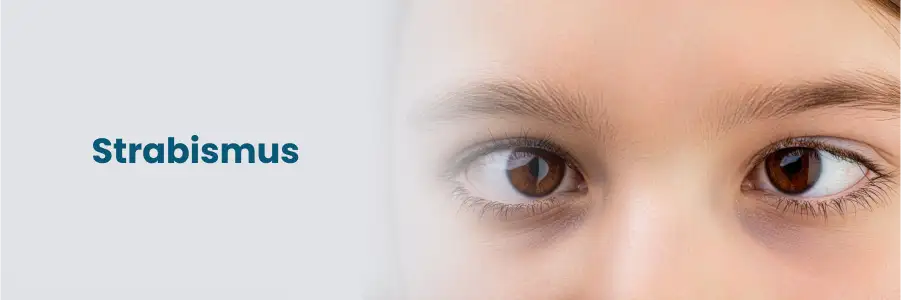
Strabismus, commonly referred to as crossed eyes, is a condition where the eyes do not properly align with each other when looking at an object. This misalignment can lead to various complications, including double vision and impaired depth perception. Understanding the causes, types, symptoms, and treatment options for strabismus is crucial for managing this condition effectively.
Get a second opinion from trusted experts and makeconfident, informed decisions.
Get Second OpinionNot sure where to start?
Talk to a patient care advisor — free, confidential, 24/7. We'll match you to the right specialist and book your appointment in minutes.
What is Strabismus?
Strabismus is a visual disorder characterized by the misalignment of the eyes. One eye may look straight ahead, while the other eye turns inward, outward, upward or downward. This condition can be constant or intermittent and can affect one or both eyes.
Strabismus Symptoms in Children
Children with strabismus may exhibit various symptoms, including:
- Misaligned eyes that do not look in the same direction at the same time
- Frequent squinting or closing of one eye
- Tilting or turning the head to look at objects
- Difficulty with depth perception
- Complaints of double vision
Early detection and treatment are essential to prevent long-term vision problems in children.
Strabismus and Double Vision
Strabismus can cause double vision, a condition where a person sees two images of a single object. This occurs because the brain receives conflicting visual information from each eye. Double vision can lead to headaches, eye strain and difficulties with daily activities.
Causes of Strabismus
The exact cause of strabismus is not always clear, but several factors can contribute to its development. Understanding these causes can aid in diagnosis and treatment.
Genetic Factors
A family history of strabismus increases the likelihood of developing the condition. Genetic factors can play a significant role in the misalignment of the eyes.
Neurological Issues
Neurological conditions that affect the brain or nerves controlling eye muscles can lead to strabismus. These issues can include cerebral palsy, Down syndrome, and stroke.
Muscle and Nerve Abnormalities
Abnormalities in the muscles or nerves controlling eye movement can result in strabismus. These abnormalities can be congenital or acquired due to injury or disease.
Refractive Errors
Uncorrected refractive errors, such as farsightedness, can cause the eyes to work harder to focus, leading to misalignment. Correcting these errors with glasses can sometimes improve strabismus.
Types of Strabismus
Strabismus can be classified into several types based on the direction of the misalignment and the underlying cause.
Esotropia
Esotropia, or crossed eyes, occurs when one or both eyes turn inward. This type of strabismus is common in infants and young children.
Exotropia
Exotropia, or divergent strabismus, occurs when one or both eyes turn outward. This type of strabismus can be intermittent and may become more noticeable when the person is tired or focused on distant objects.
Hypertropia
Hypertropia occurs when one eye turns upward. This condition can be constant or intermittent and may be associated with other eye movement disorders.
Hypotropia
Hypotropia is the opposite of hypertropia, where one eye turns downward. This type of strabismus is less common but can still cause significant visual disturbances.
Strabismus Treatment Options
Treating strabismus often requires a multifaceted approach. Early intervention can improve outcomes and prevent complications.
Corrective Lenses
Corrective lenses, such as glasses or contact lenses, can help improve vision and reduce the strain on the eyes. In some cases, this can correct the misalignment.
Prisms
Prism lenses can be incorporated into glasses to help align the eyes and reduce double vision. They work by bending light before it enters the eye, allowing the brain to receive a single, aligned image.
Vision Therapy
Vision therapy involves a series of exercises designed to improve eye coordination and strengthen the eye muscles. This therapy can be beneficial for children and adults with strabismus.
Botox Injections
Botox injections can temporarily weaken overactive eye muscles, allowing the eyes to align properly. This treatment is typically used for adults and can provide temporary relief from misalignment.
Strabismus Surgery
Strabismus surgery involves adjusting the length or position of the eye muscles to align the eyes properly. This procedure is often considered when other treatments are ineffective.
Preoperative Evaluation
Before undergoing surgery, an eye examination is necessary to assess the extent of the misalignment and determine the appropriate surgical approach. This evaluation may include vision tests, measurements of eye alignment, and a review of the patient's medical history.
Surgical Procedure
During the surgery, the surgeon will make small incisions in the tissue covering the eye to access the eye muscles. The muscles are then repositioned or shortened to achieve proper alignment. The procedure is typically performed under general anesthesia and may take several hours.
Postoperative Care
After surgery, patients may experience temporary discomfort, redness, and swelling. Follow-up appointments are essential to monitor healing and ensure the eyes remain properly aligned. Additional vision therapy or corrective lenses may be recommended to maintain alignment.
Living with Strabismus
Living with strabismus can present challenges, but with proper management, individuals can lead fulfilling lives. Early diagnosis and treatment are key to minimizing the impact of this condition.
Social and Emotional Impact
Strabismus can affect self-esteem and social interactions, particularly in children. Providing support and understanding can help individuals cope with the emotional aspects of this condition.
Ongoing Monitoring
Regular eye examinations are crucial for individuals with strabismus to monitor changes in vision and eye alignment. Early intervention can prevent complications and improve quality of life.
Support and Resources
Support groups and educational resources can provide valuable information and emotional support for individuals and families affected by strabismus. Connecting with others who share similar experiences can be empowering.
Your health is everything - prioritize your well-being today.
Schedule Your AppointmentConclusion
Strabismus is a complex condition that requires an approach to diagnosis and treatment. Understanding the causes, types, symptoms, and treatment options is essential for managing this condition effectively. Early intervention, ongoing monitoring, and a supportive environment can help individuals with strabismus lead fulfilling lives. By staying informed and proactive, you can navigate the challenges of strabismus and achieve optimal eye health.
Frequently Asked Questions
Strabismus can be caused by muscle imbalances, neurological disorders, or refractive errors leading to misalignment of the eyes.
Treatment options may include glasses, vision therapy, or surgery to realign the eyes, depending on severity.
Types include esotropia (inward turning), exotropia (outward turning), and hypertropia (upward turning).
Symptoms may include misaligned eyes, difficulty with depth perception, and double vision.
Strabismus can cause double vision due to misalignment, which disrupts the brain's ability to merge images from both eyes.
- Cardiology
- Case Studies
- Dermatology
- Endocrinology
- ENT
- Fertility
- Gastroenterology
- General
- General-Medicine
- Gynecology
- Hematology
- Infectious-Diseases
- Medical News
- Neurology
- Oncology
- Ophthalmology
- Orthopedics
- Pediatrics
- Procedure
- Public-Health
- Pulmonology
- Radiology
- Second Opinion
- Urology
- Wellness
- Woman-and-child
Related Blogs
Still have questions? Speak with our experts now!
040-68334455


