 Call
Call Patient Reports
- Cardiology 84
- Dermatology 45
- Endocrinology 33
- ENT 16
- Fertility 190
- Gastroenterology 78
- General-Medicine 81
- Gynecology 80
- Hematology 19
- Infectious-Diseases 33
- Neurology 52
- Oncology 34
- Ophthalmology 23
- Orthopedics 69
- Pediatrics 31
- Procedure 23
- Public-Health 144
- Pulmonology 59
- Radiology 8
- Urology 68
- Wellness 161
- Woman-and-child 77
- 2748
- 3.7 Minute
Written by Medicover Team and Medically Reviewed by Dr Sridhar Gangavarapu, Senior Consultant Orthopaedic Surgeon and Robotic Joint Replacement & Arthroscopy Surgeon
Experience Advanced Joint Care and Faster Recovery in Vizag
Joint pain has a way of slowly taking over everyday life. It starts with small discomfort, such as climbing stairs, getting up from a chair, walking a little longer than usual, and gradually turns into something that limits independence. For many patients, especially those with arthritis or joint damage, the question is not just about pain relief, but about getting back to a life that feels normal again.
When Do You Need Joint Replacement Surgery?
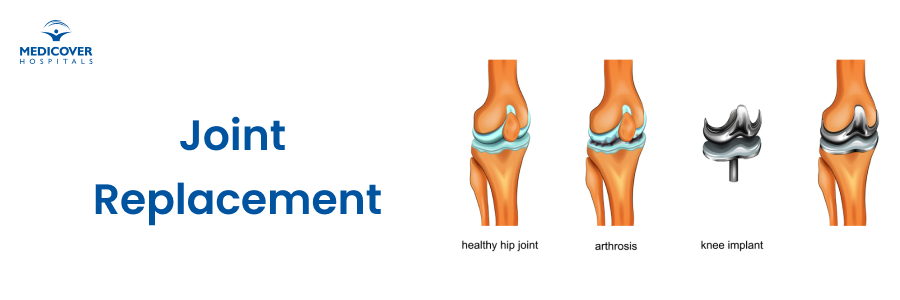
Not every joint problem needs surgery. In fact, most patients are first managed with medication, physiotherapy, and lifestyle changes. But when the joint damage becomes severe, especially in the hip or knee, these methods may no longer provide relief.
This is where a robotic joint replacement surgeon in Vizag plays a key role. The decision to proceed with surgery is usually based on a combination of factors:
- Persistent pain that affects daily activities
- Reduced joint mobility
- Poor response to conservative treatment
- Visible joint damage on imaging
The focus is not just on replacing the joint, but on choosing the right time and approach for each individual.
What Makes Robotic Joint Replacement Different?
Traditional joint replacement has been around for decades and works well. However, robotic-assisted procedures have added a layer of accuracy that is hard to ignore.
With robotic systems, surgeons can plan the procedure in detail before entering the operating room. During surgery, the technology helps guide movements with high precision, ensuring that the implant is positioned correctly.
From our experience, this level of planning and control can make a noticeable difference in:
- Joint alignment
- Implant longevity
- Post-surgical mobility
It doesn't replace surgical skill-it simply allows us to work with more clarity and control.
Get a second opinion from trusted experts and makeconfident, informed decisions.
Get Second OpinionNot sure where to start?
Talk to a patient care advisor — free, confidential, 24/7. We'll match you to the right specialist and book your appointment in minutes.
The Role of an Experienced Orthopaedic Team
A bone doctor in Vizag looks beyond the affected joint. Bone health, muscle strength, age, and activity levels all influence the treatment plan.
At our center, joint replacement is approached as a structured process rather than a single procedure. Before surgery, we spend time understanding the patient's lifestyle and expectations. After surgery, rehabilitation becomes equally important.
Recovery is not instant, but with guided physiotherapy and proper follow-up, most patients gradually regain strength and confidence in movement.
Minimally Invasive Joint Replacement and Recovery
One of the key shifts in orthopaedic care has been the move towards minimally invasive methods. Smaller incisions, better surgical planning, and improved instruments mean that the body undergoes less stress during surgery.
Today, treatments such as robotic joint replacement in Vizag are helping surgeons plan procedures with greater precision, especially in complex knee and hip cases. For patients considering knee or hip replacement, these advancements can support better alignment, improved mobility, and a smoother recovery experience.
For patients, this often translates into:
- Reduced pain after surgery
- Shorter hospital stays
- Earlier return to walking and daily routines
We have seen that when surgery and rehabilitation are well-coordinated, recovery tends to feel more manageable for patients and their families.
Your health is everything - prioritize your well-being today.
Schedule Your AppointmentBeyond Surgery: A Continuum of Care
Joint replacement is only one part of orthopedic care. Many patients come in with sports injuries, fractures, or spine-related issues that require a different approach altogether.
At Medicover Hospitals in Vizag, we focus on building a complete care pathway from diagnosis to recovery. That includes imaging support, surgical planning, post-operative care, and rehabilitation under one system.
For patients exploring joint replacement, having access to every stage of treatment under one roof can make the entire process more seamless and reassuring.
We believe that good outcomes are rarely about a single intervention. They come from consistent care at every stage.
A More Practical View of Outcomes
Patients often ask how long a joint replacement will last or how "normal" life will feel afterward. While outcomes vary, most modern joint replacements are designed to last many years, especially when supported by proper activity and follow-up care.
This is particularly true for patients undergoing knee replacement in Vizag or hip replacement in Vizag, where regular rehabilitation and long-term follow-up play a major role in maintaining mobility and joint function.
More importantly, the goal is not perfection-it is function. Being able to walk without pain, return to routine activities, and maintain independence is what truly defines success.
Moving Forward with Confidence
Orthopaedic care today is far more refined than it used to be. With better diagnostics, improved surgical techniques, and technologies like robotics, treatment has become more predictable and patient-focused.
For those struggling with long-standing joint issues, timely intervention can make a meaningful difference. And when precision is combined with experience, the path to recovery becomes a lot clearer-and more achievable.
Frequently Asked Questions
Joint replacement is usually considered when pain starts interfering with daily life, such as walking, climbing stairs, or even resting comfortably. If medications, physiotherapy, and lifestyle changes no longer provide relief, and imaging shows significant joint damage, surgery may be the next step. The decision is always based on a combination of symptoms, mobility limitations, and overall joint condition, not just pain alone.
Robotic-assisted surgery improves precision and planning. Surgeons can map the joint in detail before the procedure and use robotic guidance during surgery for accurate implant placement. This can lead to better joint alignment, smoother movement, and potentially longer-lasting results. However, it's important to understand that the surgeon is still in full control-the technology simply enhances accuracy.
Recovery timelines vary, but most patients begin walking within a few days after surgery. Basic activities can often be resumed within a few weeks, while full recovery may take a few months. Consistent physiotherapy and following post-operative guidance play a major role in how quickly and effectively a patient regains strength and mobility.
Minimally invasive approaches use smaller incisions and cause less disruption to surrounding tissues. This often results in less pain, reduced blood loss, and faster recovery. However, the choice of technique depends on the patient's condition, joint damage, and overall health. Safety is always prioritized over technique selection.
Modern joint implants are designed to last 15-20 years or more, depending on factors like activity level, weight, and overall health. Proper rehabilitation, maintaining a healthy lifestyle, and regular follow-ups can help extend the life of the implant and ensure better long-term outcomes.
- Cardiology
- Case Studies
- Dermatology
- Endocrinology
- ENT
- Fertility
- Gastroenterology
- General
- General-Medicine
- Gynecology
- Hematology
- Infectious-Diseases
- Medical News
- Neurology
- Oncology
- Ophthalmology
- Orthopedics
- Pediatrics
- Procedure
- Public-Health
- Pulmonology
- Radiology
- Second Opinion
- Urology
- Wellness
- Woman-and-child
Related Blogs
Still have questions? Speak with our experts now!
040-68334455


