 Call
Call Patient Reports
- Cardiology 84
- Dermatology 45
- Endocrinology 33
- ENT 16
- Fertility 190
- Gastroenterology 78
- General-Medicine 81
- Gynecology 80
- Hematology 19
- Infectious-Diseases 33
- Neurology 52
- Oncology 34
- Ophthalmology 23
- Orthopedics 69
- Pediatrics 31
- Procedure 23
- Public-Health 144
- Pulmonology 59
- Radiology 8
- Urology 68
- Wellness 161
- Woman-and-child 77
- 3759
- 3.5 Minute
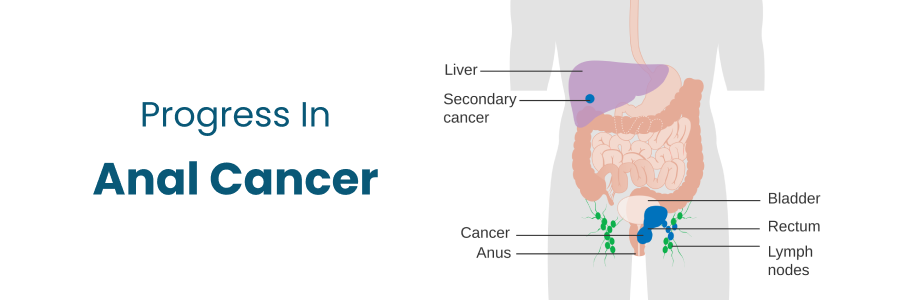
Progress in Anal Cancer from Vizag
The field of oncology is constantly evolving. In particular, the progress in anal cancer treatment has been significant.
This article aims to provide an in-depth overview of the latest advancements in this area. We will delve into the current landscape of anal cancer, including incidence rates and historical treatment approaches.
We will also explore the role of HPV in the development of anal cancer. The focus will then shift to the recent progress in treatment options, from surgical techniques to chemoradiation protocols and the emergence of personalized medicine.
Stay tuned to learn about the future of anal cancer research and the path forward in treatment.
Get a second opinion from trusted experts and makeconfident, informed decisions.
Get Second OpinionNot sure where to start?
Talk to a patient care advisor — free, confidential, 24/7. We'll match you to the right specialist and book your appointment in minutes.
The Current Landscape of Anal Cancer
Anal cancer, though less common than other types, is a significant health concern.
Its incidence and mortality rates vary globally, influenced by factors such as HPV infection and lifestyle habits.
Incidence and Mortality Rates
Anal cancer incidence has been on the rise in recent years.
- In the United States, approximately 8,300 new cases are diagnosed annually.
- Globally, the incidence rate is about 1-2 cases per 100,000 people.
- Mortality rates, however, have remained relatively stable.
Historical Treatment Approaches
Historically, the primary treatment for anal cancer was radical surgery.
This approach often resulted in a permanent colostomy, significantly impacting the patient's quality of life.
HPV and Anal Cancer
The human papillomavirus (HPV) plays a crucial role in the development of most anal cancers.
HPV vaccination has therefore become a critical preventive measure, reducing the risk of anal cancer significantly.
Advancements in Anal Cancer Treatment
The landscape of anal cancer treatment has evolved significantly over the years.
This progress is mainly due to advancements in surgical techniques, chemoradiation protocols, and the emergence of personalized medicine.
Innovations in Surgical Techniques
Surgical techniques for treating anal cancer have seen considerable innovation.
Minimally invasive surgeries, for instance, have improved patient outcomes and reduced recovery times.
Chemoradiation Protocols
Chemoradiation, a combination of chemotherapy and radiation therapy, has become a standard treatment for anal cancer.
This approach has shown success in preserving anal function and improving survival rates.
Personalized Medicine and Targeted Therapies
The advent of personalized medicine has revolutionized anal cancer treatment.
Targeted therapies designed to attack specific cancer cells have shown promise in improving treatment efficacy and reducing side effects.
Immunotherapy Breakthroughs
Immunotherapy, which harnesses the body's immune system to fight cancer, has emerged as a promising treatment option.
Ongoing clinical trials are exploring the effectiveness of various immunotherapies, including checkpoint inhibitors, in treating anal cancer.
Clinical Trials and Emerging Therapies
Clinical trials play a crucial role in the progress of anal cancer treatment.
They provide a platform for testing new therapies, evaluating their safety and efficacy, and ultimately bringing them to patients.
Checkpoint Inhibitors and Combination Therapies
Checkpoint inhibitors, a type of immunotherapy, have shown promise in treating anal cancer.
Combination therapies, which use multiple treatments simultaneously, are also being explored for their potential to improve patient outcomes.
The Role of Multidisciplinary Care
A multidisciplinary approach to anal cancer care is increasingly recognized as essential.
This approach involves a team of specialists working together to provide comprehensive care, improving treatment planning and patient support.
The Future of Anal Cancer Research
The future of anal cancer research is promising, with many avenues being explored.
From genetic profiling to the use of artificial intelligence, the field is ripe with potential for breakthroughs.
Genetic Profiling and Biomarkers
Genetic profiling and the study of biomarkers are two areas of focus in anal cancer research.
These techniques can help predict treatment response and prognosis, leading to more personalized care.
The Impact of Technology and Collaboration
Technology and collaboration are also shaping the future of anal cancer research.
From machine learning algorithms that can analyze vast amounts of data to global collaborations that pool resources and expertise, these factors are accelerating the pace of progress.
Your health is everything - prioritize your well-being today.
Schedule Your AppointmentConclusion: The Path Forward in Anal Cancer Treatment
The path forward in anal cancer treatment is one of continued progress and innovation. With advancements in surgical techniques, personalized medicine, and immunotherapy, coupled with the potential of emerging therapies from ongoing clinical trials, the future holds promise for improved outcomes and quality of life for patients.
Frequently Asked Questions
Recent developments include the introduction of more precise radiation techniques, new chemotherapy agents, and the use of immunotherapy.
Yes, some research institutions in Vizag are conducting studies to explore new treatments and improve existing ones for anal cancer.
Treatment has evolved with the integration of personalized medicine, allowing for tailored treatment plans based on genetic and molecular profiling.
Immunotherapy is an emerging treatment option that helps the immune system fight cancer more effectively, particularly in advanced cases.
Stay in touch with oncologists, attend medical conferences, and follow updates from leading cancer research hospitals in Vizag.
- Cardiology
- Case Studies
- Dermatology
- Endocrinology
- ENT
- Fertility
- Gastroenterology
- General
- General-Medicine
- Gynecology
- Hematology
- Infectious-Diseases
- Medical News
- Neurology
- Oncology
- Ophthalmology
- Orthopedics
- Pediatrics
- Procedure
- Public-Health
- Pulmonology
- Radiology
- Second Opinion
- Urology
- Wellness
- Woman-and-child
Related Blogs
Still have questions? Speak with our experts now!
040-68334455


