 Call
Call Patient Reports
- Cardiology 84
- Dermatology 45
- Endocrinology 33
- ENT 16
- Fertility 190
- Gastroenterology 78
- General-Medicine 81
- Gynecology 80
- Hematology 19
- Infectious-Diseases 33
- Neurology 52
- Oncology 34
- Ophthalmology 23
- Orthopedics 69
- Pediatrics 31
- Procedure 23
- Public-Health 144
- Pulmonology 59
- Radiology 8
- Urology 68
- Wellness 161
- Woman-and-child 77
- 2748
- 3.7 Minute
Written by Medicover Team and Medically Reviewed by Dr Geeta Vandana R, Consultant Gynecologist & Obstetrician
Preterm Birth Risks: How Early Intervention Can Change Outcomes
For many families, the most difficult part of pregnancy is not labour but the uncertainty that comes before it. Everything may appear normal during routine check-ups, and then a scan, a symptom, or a small clinical finding changes the entire direction of care. Preterm birth often begins in this grey zone, where nothing feels urgent yet-but medically, everything is.
That is why early intervention has become central to modern obstetrics. The goal is not only to respond to premature labour, but to recognise the risk well before it becomes visible.
Understanding the Risk Landscape
Preterm birth, defined as delivery before 37 weeks, is closely linked to how the pregnancy is monitored over time. It is rarely triggered by a single issue. Instead, it develops through a combination of factors-maternal health conditions, cervical changes, placental concerns, or multiple pregnancies.
A high-risk obstetrician in Vizag typically looks for patterns rather than isolated symptoms. Slight elevations in blood pressure, subtle changes in fetal growth, or early signs of infection may seem manageable individually, but together, they can indicate a higher risk of early delivery.
This layered assessment is what allows clinicians to act before complications escalate.
The Role of Continuous Monitoring
Early detection depends heavily on consistent and structured antenatal care. Regular visits are not just routine-they are designed to track changes that may not be obvious to the patient.
Key areas of focus include:
- Cervical length and structural changes
- Fetal growth and amniotic fluid levels
- Maternal conditions such as gestational diabetes or hypertension
- Early signs of uterine contractions or infection
At Medicover Hospitals, we follow a monitoring approach that prioritises continuity. Instead of isolated consultations, care is built as a timeline-where each visit adds context to the next. This helps identify risk patterns earlier and with greater accuracy.
Get a second opinion from trusted experts and makeconfident, informed decisions.
Get Second OpinionNot sure where to start?
Talk to a patient care advisor — free, confidential, 24/7. We'll match you to the right specialist and book your appointment in minutes.
Intervening at the Right Time
Once a potential risk is identified, timing becomes critical. The objective is not always to prevent preterm birth entirely, but to delay it safely and prepare for better outcomes.
Common medical interventions include:
- Antenatal corticosteroids, which help accelerate fetal lung development
- Tocolytic medications, used to delay contractions
- Infection management, when underlying causes are identified
- Planned early delivery, when continuing the pregnancy poses greater risk
An obstetrician & gynecologist in Vizag evaluates these options based on the patient’s condition rather than following a fixed protocol. This flexibility ensures that treatment aligns with both maternal and fetal safety.
When Early Delivery Becomes Necessary
In some cases, despite careful monitoring, early delivery cannot be avoided. Here, preparedness makes a significant difference.
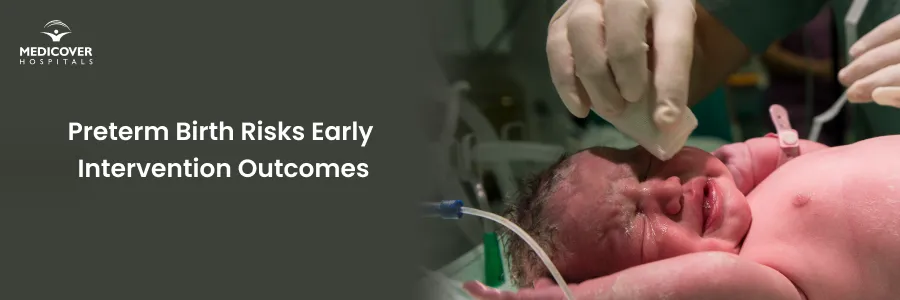
Preterm babies may require immediate medical support, particularly for breathing, feeding, and temperature regulation. Access to neonatal care facilities becomes essential in stabilising the newborn and supporting early development.
The transition from obstetric care to neonatal care needs to be seamless. Coordination between teams ensures that the baby receives immediate attention without delay.
Your health is everything - prioritize your well-being today.
Schedule Your AppointmentLooking Beyond Delivery
The impact of preterm birth does not end with delivery. Some infants may require ongoing monitoring for developmental milestones, especially in the first year.
Early follow-up helps identify challenges related to growth, learning, or motor skills. With timely support, many of these concerns can be managed effectively.
Our emphasis at Medicover Hospitals is continuity even after discharge. Follow-up care is structured to ensure that both mother and baby receive the support they need during recovery.
A More Measured Approach to Pregnancy Care
Preterm birth cannot always be predicted with certainty, but it can often be managed more effectively with early awareness and timely action. The shift in modern obstetrics is clear-less reactive, more anticipatory.
For patients, this means fewer surprises and more informed decisions. For clinicians, it allows care to be guided by patterns rather than emergencies.
In the end, better outcomes are rarely accidental. They are built through careful observation, timely intervention, and a consistent approach to care that begins long before labour itself.
Frequently Asked Questions
Preterm birth refers to the delivery of a baby before 37 completed weeks of pregnancy. It can range from late preterm (34–36 weeks) to extremely preterm (before 28 weeks), with risks varying based on how early the baby is born.
Common signs include regular contractions, lower back pain, pelvic pressure, vaginal discharge changes, or fluid leakage. However, some cases may not show clear symptoms, which is why regular monitoring is important.
Early intervention allows doctors to identify risk factors sooner and take steps like medications, lifestyle adjustments, or closer monitoring to delay delivery and improve the baby’s development before birth.
Depending on the situation, doctors may use corticosteroids to support fetal lung development, medications to delay contractions, or treat underlying infections to stabilise the pregnancy.
Preterm babies may require specialised neonatal care, including support for breathing, feeding, and maintaining body temperature, often in a neonatal intensive care unit (NICU) before they are ready to go home.
- Cardiology
- Case Studies
- Dermatology
- Endocrinology
- ENT
- Fertility
- Gastroenterology
- General
- General-Medicine
- Gynecology
- Hematology
- Infectious-Diseases
- Medical News
- Neurology
- Oncology
- Ophthalmology
- Orthopedics
- Pediatrics
- Procedure
- Public-Health
- Pulmonology
- Radiology
- Second Opinion
- Urology
- Wellness
- Woman-and-child
Related Blogs
Still have questions? Speak with our experts now!
040-68334455


