 Call
Call Patient Reports
- Cardiology 84
- Dermatology 45
- Endocrinology 33
- ENT 16
- Fertility 190
- Gastroenterology 78
- General-Medicine 81
- Gynecology 80
- Hematology 19
- Infectious-Diseases 33
- Neurology 52
- Oncology 34
- Ophthalmology 23
- Orthopedics 69
- Pediatrics 31
- Procedure 23
- Public-Health 144
- Pulmonology 59
- Radiology 8
- Urology 68
- Wellness 161
- Woman-and-child 77
- 3759
- 3.5 Minute
Difference between Osteoarthritis and Rheumatoid Arthritis
Arthritis is a common condition that affects millions of people worldwide. Two of the most common types are osteoarthritis (OA) and rheumatoid arthritis (RA). While both conditions affect the joints, they have different causes, symptoms, and treatments. This article will explore the differences between osteoarthritis and rheumatoid arthritis to help you understand each condition better.
Osteoarthritis vs Rheumatoid Arthritis Pathophysiology
Pathophysiology refers to the functional changes in the body that accompany a particular disease or condiion.
Osteoarthritis Pathophysiology
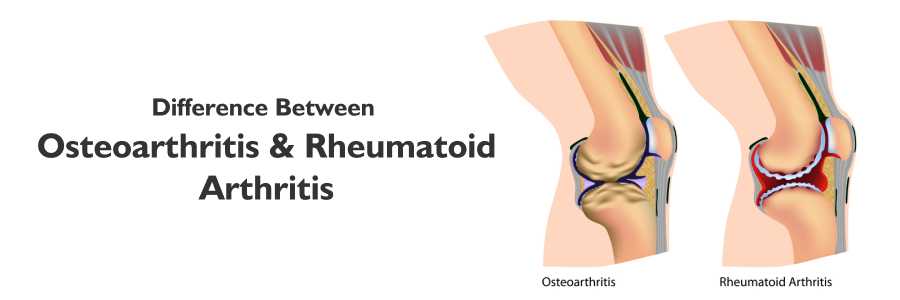
Osteoarthritis is a degenerative joint disease. It occurs when the cartilage, which cushions the ends of the bones, gradually wears down over time. This leads to bones rubbing against each other, causing pain, swelling, and decreased joint mobility.
Rheumatoid Arthritis Pathophysiology
Rheumatoid arthritis is an autoimmune disease. The body's immune system mistakenly attacks the synovium (the lining of the membranes that surround the joints). This causes inflammation, which can eventually lead to the destruction of cartilage and bone within the joint.
Osteoarthritis vs Rheumatoid Arthritis Joint Involvement
The joints affected by osteoarthritis and rheumatoid arthritis can vary.
Osteoarthritis Joint Involvement
Osteoarthritis typically affects the weight-bearing joints such as the knees, hips, and spine. It can also affect the hands, particularly the joints at the base of the thumb and the ends of the fingers.
Rheumatoid Arthritis Joint Involvement
Rheumatoid arthritis usually starts in the smaller joints, such as those in the hands and feet. It often affects the same joints on both sides of the body (symmetrical involvement). Over time, it can spread to larger joints like the knees, hips, and shoulders.
Get a second opinion from trusted experts and makeconfident, informed decisions.
Get Second OpinionNot sure where to start?
Talk to a patient care advisor — free, confidential, 24/7. We'll match you to the right specialist and book your appointment in minutes.
Risk Factors of Osteoarthritis vs Rheumatoid Arthritis
Several risk factors can increase the likelihood of developing osteoarthritis or rheumatoid arthritis.
Osteoarthritis Risk Factors
- Age: The risk of osteoarthritis increases with age.
- Gender: Women are more likely to develop osteoarthritis, especially after menopause.
- Obesity: Excess weight puts additional stress on weight-bearing joints.
- Joint Injuries: Injuries to a joint can increase the risk of osteoarthritis in that joint.
- Genetics: A family history of osteoarthritis may increase your risk.
Rheumatoid Arthritis Risk Factors
- Gender: Women are more likely to develop rheumatoid arthritis.
- Age: Rheumatoid arthritis can occur at any age, but it most commonly begins between the ages of 40 and 60.
- Genetics: A family history of rheumatoid arthritis can increase your risk.
- Smoking: Smoking cigarettes increases the risk of developing rheumatoid arthritis.
Symptoms of Osteoarthritis vs Rheumatoid Arthritis
The symptoms of osteoarthritis and rheumatoid arthritis can be similar, but there are some key differences.
Osteoarthritis Symptoms
- Pain: Joint pain that worsens with activity and improves with rest.
- Stiffness: Joint stiffness, especially after periods of inactivity or in the morning.
- Swelling: Mild swelling around the affected joint.
- Loss of Flexibility: Decreased range of motion in the joint.
- Grating Sensation: A feeling of grating or popping when moving the joint.
Rheumatoid Arthritis Symptoms
- Pain: Joint pain that is often worse in the morning and can last for hours.
- Stiffness: Prolonged morning stiffness lasting more than 30 minutes.
- Swelling: Swollen, warm, and tender joints.
- Fatigue: General fatigue and a feeling of being unwell.
- Fever: Low-grade fever.
- Weight Loss: Unintentional weight loss.
Osteoarthritis vs Rheumatoid Arthritis Diagnosis
Diagnosing osteoarthritis and rheumatoid arthritis involves different approaches.
Osteoarthritis Diagnosis
- Medical History: Your doctor will ask about your symptoms and medical history.
- Physical Examination: A physical exam to check for joint tenderness, swelling, and range of motion.
- Imaging Tests: X-rays or MRI scans to look for joint damage and cartilage loss.
- Lab Tests: Blood tests may be done to rule out other types of arthritis.
Rheumatoid Arthritis Diagnosis
- Medical History: Your doctor will ask about your symptoms and medical history.
- Physical Examination: A physical exam to check for joint tenderness, swelling, and range of motion.
- Lab Tests: Blood tests to look for markers of inflammation and specific antibodies (e.g., rheumatoid factor and anti-CCP antibodies).
- Imaging Tests: X-rays, ultrasound, or MRI scans to look for joint damage and inflammation.
Osteoarthritis vs Rheumatoid Arthritis Treatment
Treatment for osteoarthritis and rheumatoid arthritis aims to reduce symptoms and improve joint function.
Your health is everything - prioritize your well-being today.
Schedule Your AppointmentOsteoarthritis Treatment
- Medications: Pain relievers (e.g., acetaminophen, NSAIDs), topical pain relievers, and corticosteroid injections.
- Physical Therapy: Exercises to strengthen the muscles around the joint and improve flexibility.
- Lifestyle Changes: Weight loss, low-impact exercise, and avoiding activities that put stress on the joints.
- Surgery: Joint replacement surgery may be considered in severe cases.
Rheumatoid Arthritis Treatment
- Medications: Disease-modifying antirheumatic drugs (DMARDs), biologic agents, corticosteroids, and NSAIDs.
- Physical Therapy: Exercises to maintain joint flexibility and strength.
- Lifestyle Changes: Regular exercise, a healthy diet, and quitting smoking.
- Surgery: Joint replacement or repair surgery may be considered in severe cases.
Osteoarthritis vs Rheumatoid Arthritis Causes
The underlying causes of osteoarthritis and rheumatoid arthritis differ significantly.
Osteoarthritis Causes
Osteoarthritis is primarily caused by the wear and tear of cartilage over time. Factors such as aging, joint injuries, and obesity can accelerate this process.
Rheumatoid Arthritis Causes
The exact cause of rheumatoid arthritis is unknown, but it is believed to involve a combination of genetic, environmental, and hormonal factors. The immune system mistakenly attacks the synovium, leading to inflammation and joint damage.
Conclusion
Understanding the differences between osteoarthritis and rheumatoid arthritis is crucial for proper diagnosis and treatment. While both conditions affect the joints, they have distinct causes, symptoms, and treatment approaches. If you suspect you have arthritis, it is essential to consult with a healthcare professional for an accurate diagnosis and personalized treatment plan.
Frequently Asked Questions
Osteoarthritis primarily affects weight-bearing joints like the knees, hips, and spine, while rheumatoid arthritis often targets smaller joints such as those in the hands, wrists, and feet. Rheumatoid arthritis tends to cause symmetrical joint involvement, unlike osteoarthritis.
The main treatments for osteoarthritis are pain relief, maintaining joint function with medication, physical therapy, and surgery if needed. Rheumatoid arthritis is usually treated with DMARDs, biologics, NSAIDs, and corticosteroids to control inflammation and prevent joint damage.
Yes, laboratory tests can help differentiate between the two. Rheumatoid arthritis is often identified through blood tests showing elevated rheumatoid factor (RF) or anti-cyclic citrullinated peptide (anti-CCP) antibodies and increased inflammatory markers. Osteoarthritis typically does not show these markers.
- Cardiology
- Case Studies
- Dermatology
- Endocrinology
- ENT
- Fertility
- Gastroenterology
- General
- General-Medicine
- Gynecology
- Hematology
- Infectious-Diseases
- Medical News
- Neurology
- Oncology
- Ophthalmology
- Orthopedics
- Pediatrics
- Procedure
- Public-Health
- Pulmonology
- Radiology
- Second Opinion
- Urology
- Wellness
- Woman-and-child
Related Blogs
Still have questions? Speak with our experts now!
040-68334455


