 Call
Call Patient Reports
- Cardiology 84
- Dermatology 45
- Endocrinology 33
- ENT 16
- Fertility 190
- Gastroenterology 78
- General-Medicine 81
- Gynecology 80
- Hematology 19
- Infectious-Diseases 33
- Neurology 52
- Oncology 34
- Ophthalmology 23
- Orthopedics 69
- Pediatrics 31
- Procedure 23
- Public-Health 144
- Pulmonology 59
- Radiology 8
- Urology 68
- Wellness 161
- Woman-and-child 77
- 3124
- 3.2 Minute
Nise Gel: Uses, Benefits, Safety, Cost, Comparison
Pain can be a real hindrance in our daily lives. It can limit our activities and reduce our quality of life.
One solution that has gained popularity is Nise Gel.
Get a second opinion from trusted experts and makeconfident, informed decisions.
Get Second OpinionNot sure where to start?
Talk to a patient care advisor — free, confidential, 24/7. We'll match you to the right specialist and book your appointment in minutes.
- This topical medication is known for its pain-relieving properties. It's used to treat a variety of conditions, from arthritis to sports injuries.
- We delve into the benefits of using Nise Gel. We'll explore its uses, composition, and how it compares to other products like Nise d spray and Nise gel cream.
Understanding Nise Gel and Its Uses
- Nise Gel is available over the counter in many countries.
- It's a convenient and portable option for pain management.
What is Nise Gel?
- Nise Gel is a non-steroidal anti-inflammatory drug (NSAID) that relieves pain and inflammation.
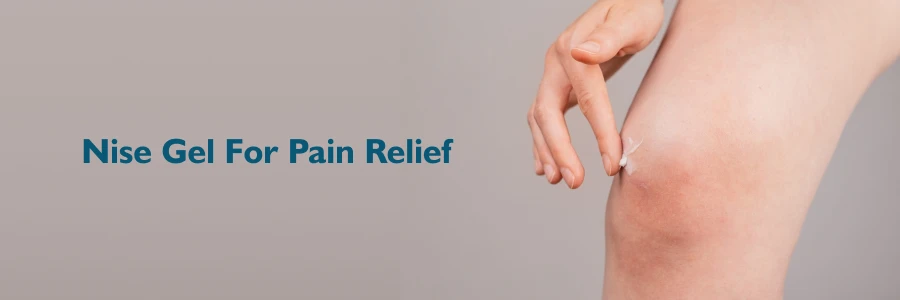
- The gel formulation allows for direct application to the affected area. This targeted approach can provide quick relief.
- It's often recommended for use in sports injuries. It's also used to treat conditions like
- The gel's composition is designed to minimize side effects commonly associated with oral painkillers.
Common Uses of Nise Gel
- The gel can provide quick relief from pain and swelling.
- Nise Gel can be a suitable substitute for individuals who cannot tolerate oral NSAIDs.
- It's also used alongside other treatments, such as physical therapy.
- Nise Gel can be part of a comprehensive pain management plan. It's essential to consult a healthcare provider before starting any new treatment.
Critical Benefits of Nise Gel for Pain Relief
- Nise Gel offers several benefits for pain relief.
- One of the main advantages is its fast-acting relief.
- The gel is absorbed quickly, providing fast action against pain.
- Another benefit is its targeted application.
- The gel can be administered directly to the affected area to provide temporary relief.
- Nise Gel is also non-greasy and does not leave a residue on the skin, making it convenient for use at any time of day.
- Finally, Nise Gel can be combined with other therapies, such as cold or heat therapy, to provide further pain relief.
Fast-Acting Relief
- One of the critical benefits of Nise Gel is its fast-acting relief.
- The gel is readily absorbed by the skin. This allows it to provide fast action against pain.
- Some users may experience relief for several hours after application.
- The product is often reviewed positively for its ease of use and effectiveness.
- Nise Gel's fast-acting relief makes it a popular choice for individuals looking for non-invasive pain relief options.
Targeted Application
- Another benefit of Nise Gel is its targeted application.
- The gel can be applied directly to the affected area. This provides localized relief from pain and swelling.
- Nise Gel can be used before or after physical activity to manage pain.
- It's also suitable for use in both acute and chronic pain management strategies.
- The targeted application of Nise Gel allows for more effective pain management compared to systemic medications.
Nise Gel Composition and Safety
- Understanding the composition of Nise Gel is crucial.
- The gel contains the active ingredient Nimesulide
- This is a non-steroidal anti-inflammatory drug (NSAID).
- Nimesulide has anti-inflammatory properties. It helps to reduce pain and swelling.
- The gel's composition is designed to minimize side effects. These are commonly associated with oral painkillers.
- However, like all medications, Nise Gel may have some side effects. It's essential to be aware of these.
- It's also essential to consult a healthcare provider before starting any new treatment.
Active Ingredients and Their Effects
- Nise Gel's active ingredient is Nimesulide.
- Nimesulide is a non-steroidal anti-inflammatory drug (NSAID).
- It works by reducing the production of certain chemicals in the body. These chemicals cause pain and inflammation.
- This makes Nise Gel effective for conditions like arthritis, sprains, and backaches.
- Nimesulide has been researched for its efficacy in pain management.
Safety and Side Effects
- While Nise Gel is generally safe, it may have some side effects.
- These can include
- skin irritation or allergic reactions
- Signs of an allergic reaction Rash or itching.
- The product should not be used on open wounds or damaged skin.
- It's also not recommended for use in children under 12 years of age without medical advice.
- Always consult a healthcare professional before starting any new treatment.
Comparing Nise Gel with Other Products
- Other products on the market are similar to Nise Gel.
- These include Nise D spray and Nise Gel cream.
- Each product has its benefits and uses.
- It's important to understand these differences.
- This can help you choose the best product for your needs.
Nise Gel vs. Nise d Spray
- Nised spray is another form of Nimesulide.
- It can be used for conditions similar to those of Nise Gel.
- The choice between the two often comes down to personal preference.
Nise Gel vs. Nise Gel Cream
- Nise Gel cream may refer to a cream-based formulation of the medication.
- It offers similar benefits to Nise Gel.
- The choice between gel and cream often depends on individual skin type and preference.
Cost-Effectiveness: Nise Gel Price and Availability
- Nise Gel is a cost-effective solution for managing pain.
- Its price is competitive with other topical pain relief options.
- The product's price may vary based on the retailer and location.
- It's important to compare prices and check for discounts or generic versions.
- Nise Gel's price point makes it accessible to a wide range of consumers.
Finding the Best Price for Nise Gel
To find the best price for Nise Gel, consider shopping around.
Check prices at different pharmacies and online retailers.
Remember to look for discounts or generic versions.
Where to Buy Nise Gel
Nise Gel can be found in pharmacies and drugstores.
It's also available from online retailers.
Remember to check the expiration date to ensure the product's effectiveness.
Conclusion: Is Nise Gel Right for You?
Nise Gel offers a practical solution for managing everyday aches and pains.
However, its efficiency varies according to the individual and the illness being treated.
Always consult a doctor before beginning any new treatment.
Your health is everything - prioritize your well-being today.
Schedule Your AppointmentFrequently Asked Questions
Nise Gel is a topical anti-inflammatory and analgesic medication used for reducing pain and inflammation in illnesses like arthritis, muscle sprains, strains, and sports injuries. It contains Nimesulide, a non-steroidal anti-inflammatory drug (NSAID) that helps reduce pain and swelling when applied to the affected area.
Substitutes for Nise Gel include other topical NSAID gels and creams such as:
- Volini Gel
- Diclofenac Gel (e.g., Voltaren Gel)
- Ibuprofen Gel
- Ketoprofen Gel These alternatives also provide relief from pain and inflammation and can be used if Nise Gel is unavailable or unsuitable.
The price of Nise Gel can vary based on the brand, quantity, and location. On average, a 20-gram tube of Nise Gel typically costs between $2 to $5. Prices may differ across pharmacies and regions, so it's best to check with local retailers for the most accurate pricing.
Nise D Spray, a similar topical analgesic product, typically costs around $3 to $6 per bottle. Prices could differ according to the region and seller, so it is recommended to check with local pharmacies or online stores for the exact cost.
Nise Gel can be effective for localized pain relief, particularly for muscle and joint pain, due to its anti-inflammatory and analgesic properties. It may work better than oral medications for targeted relief because it is applied directly to the affected area, potentially reducing systemic side effects. However, the effectiveness can vary from person to person, and some might find other topical or oral medications more effective. It is always recommended to consult with a healthcare provider to determine the best treatment for individual pain management needs.
Disclaimer: The information provided is accurate and up-to-date to the best of our knowledge. However, it should not be considered a substitute for medical advice or consultation. We do not guarantee its completeness or accuracy. The absence of specific warnings does not mean a medicine is safe for all users. We are not responsible for any outcomes based on this information and strongly recommend consulting a doctor for any medical concerns or questions.
- Cardiology
- Case Studies
- Dermatology
- Endocrinology
- ENT
- Fertility
- Gastroenterology
- General
- General-Medicine
- Gynecology
- Hematology
- Infectious-Diseases
- Medical News
- Neurology
- Oncology
- Ophthalmology
- Orthopedics
- Pediatrics
- Procedure
- Public-Health
- Pulmonology
- Radiology
- Second Opinion
- Urology
- Wellness
- Woman-and-child
Related Blogs
Still have questions? Speak with our experts now!
040-68334455


