 Call
Call Patient Reports
- Cardiology 84
- Dermatology 45
- Endocrinology 33
- ENT 16
- Fertility 190
- Gastroenterology 78
- General-Medicine 81
- Gynecology 80
- Hematology 19
- Infectious-Diseases 33
- Neurology 52
- Oncology 34
- Ophthalmology 23
- Orthopedics 69
- Pediatrics 31
- Procedure 23
- Public-Health 144
- Pulmonology 59
- Radiology 8
- Urology 68
- Wellness 161
- Woman-and-child 77
- 3996
- 3.7 Minute
Understanding the Nipah Virus Outbreak in India
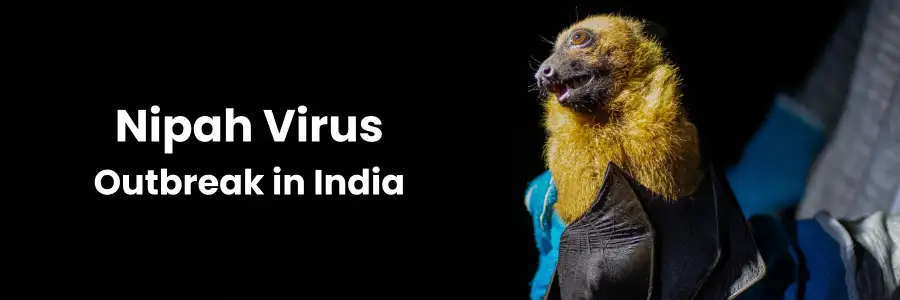
The Nipah virus (NiV) is a zoonotic pathogen that can cause severe disease in both animals and humans. Its high mortality rate and the potential for human-to-human transmission have made it a significant public health concern, particularly in the Indian subcontinent. This article delves into the complexities of the Nipah virus outbreak in India, examining its transmission, control measures, and government response.
Get a second opinion from trusted experts and makeconfident, informed decisions.
Get Second OpinionNot sure where to start?
Talk to a patient care advisor — free, confidential, 24/7. We'll match you to the right specialist and book your appointment in minutes.
Overview of the Nipah Virus
The Nipah virus was first identified in 1998 during an outbreak in Malaysia. Subsequently, it has been responsible for several outbreaks in South and Southeast Asia, including India. The virus is primarily transmitted to humans through direct contact with infected animals, such as fruit bats or pigs, or through consumption of contaminated food.
Transmission of Nipah Virus in Indian Regions
The transmission dynamics of the Nipah virus in India are complex. Fruit bats, which are natural hosts of the virus, play a crucial role in the spread. Human infections can occur through:
- Direct Contact: Handling of infected bats or their secretions.
- Contaminated Food: Consumption of fruits or other food items contaminated with bat saliva or urine.
- Human-to-Human Transmission: Close contact with infected individuals, especially healthcare workers caring for patients.
Historical Outbreaks in India
India has witnessed multiple Nipah virus outbreaks with varying degrees of severity:
- 2001: The first Nipah virus outbreak in India occurred in Siliguri, West Bengal, resulting in 45 deaths out of 66 reported cases.
- 2007: Another outbreak in Nadia, West Bengal, caused five deaths.
- 2018: The state of Kerala experienced a significant outbreak, with 17 fatalities out of 19 confirmed cases.
- 2019: A minor outbreak in Kerala, which was quickly contained with no fatalities.
Recent Nipah Virus Cases in India
The most recent outbreak in India, dubbed the "Nipah virus outbreak India 2024," has raised alarm due to its rapid spread and high mortality rate. As of the latest reports, there have been over 50 confirmed cases and 35 deaths, primarily concentrated in Kerala and neighboring states.
Government Response to Nipah Virus Outbreaks
Immediate Response Measures
The Indian government has implemented several immediate response measures to contain the Nipah virus outbreaks:
- Quarantine and Isolation: Infected individuals and those exposed to the virus are quarantined to prevent further spread.
- Contact Tracing: Rapid identification and monitoring of individuals who have been in contact with confirmed cases.
- Health Advisories: Public health advisories and awareness campaigns to educate the public about preventive measures.
Long-term Control Measures
In addition to immediate response efforts, the government has also initiated long-term control measures to mitigate future outbreaks:
- Surveillance Systems: Enhanced surveillance systems to detect and respond to potential outbreaks swiftly.
- Research and Development: Investment in research to develop vaccines and antiviral treatments for the Nipah virus.
- International Collaboration: Collaboration with international health organizations, such as the World Health Organization (WHO), for technical support and resource sharing.
Nipah Virus Control Measures in India
Healthcare Infrastructure
Successive outbreaks have strained India's healthcare infrastructure, necessitating improvements in several areas:
- Hospital Preparedness: Upgrading hospitals with isolation wards and necessary medical equipment.
- Training Healthcare Workers: Specialized training for healthcare workers to manage and treat Nipah virus infections safely.
- Rapid Response Teams: Deployment of rapid response teams to outbreak hotspots for immediate intervention.
Public Health Initiatives
Public health initiatives play a crucial role in controlling the spread of the Nipah virus:
- Community Engagement: Engaging local communities in awareness campaigns to educate them about the risks and preventive measures.
- Sanitation and Hygiene: Promoting sanitation and hygiene practices to reduce the risk of virus transmission through contaminated food and water.
- Animal Health Surveillance: Monitoring animal health, particularly among fruit bats and pigs, to detect and control potential sources of infection.
Nipah Virus Spread in Indian States
Kerala: The Epicenter
Kerala has been the epicenter of several Nipah virus outbreaks in India, primarily due to its dense population and proximity to fruit-bat habitats. The state's response has been commendable, with swift action and effective containment measures. However, the recurring nature of the outbreaks underscores the need for sustained efforts in surveillance and public health education.
Neighboring States
The spread of the Nipah virus to neighboring states, such as Tamil Nadu and Karnataka, highlights the importance of a coordinated regional response. State governments have implemented measures similar to those in Kerala, including isolation, contact tracing, and public awareness campaigns.
Nationwide Implications
The Nipah virus outbreaks in Kerala and neighboring states have national implications, prompting the central government to enhance its preparedness and response capabilities. This includes strengthening the National Centre for Disease Control (NCDC) and other relevant agencies.
Challenges and Future Directions
Vaccine Development
One of the significant challenges in controlling Nipah virus outbreaks is the lack of a licensed vaccine. Ongoing research aims to develop an effective vaccine, but it is still in the experimental stages. Accelerating vaccine development is crucial for long-term control.
Antiviral Treatments
Currently, there are no specific antiviral treatments for Nipah virus infections. Research into potential treatments, such as monoclonal antibodies and antiviral drugs, is ongoing. Developing effective treatments is essential to reduce mortality rates and improve patient outcomes.
Global Collaboration
Global collaboration is vital for combating Nipah virus outbreaks. India's engagement with international health organizations and research institutions can facilitate the sharing of knowledge, resources, and best practices and support the development of vaccines and treatments.
Your health is everything - prioritize your well-being today.
Schedule Your AppointmentConclusion
The Nipah virus outbreak in India presents a formidable public health challenge. Understanding its transmission dynamics, implementing effective control measures, and enhancing healthcare infrastructure are critical to mitigating its impact. The government's response, coupled with public health initiatives and international collaboration, can help control the spread of the virus and prevent future outbreaks. Continued research and development efforts are essential to find long-term solutions, such as vaccines and antiviral treatments, to combat this deadly virus effectively.
Frequently Asked Questions
The 2024 Nipah virus outbreak in Kerala, India, was caused by zoonotic transmission, likely from fruit bats, which are natural reservoirs of the virus.
The outbreak is concentrated in Kerala, particularly in Kozhikode, where containment zones have been established to prevent further spread
The government has set up containment zones, restricted public gatherings, and initiated quarantine protocols for individuals in contact with infected persons
As of mid-September 2024, several cases have been confirmed, with at least two fatalities. Over 1,200 contacts have been identified and are being monitored
Strict isolation, contact tracing, quarantine of high-risk individuals, and public health advisories have been put in place to contain the virus.
- Cardiology
- Case Studies
- Dermatology
- Endocrinology
- ENT
- Fertility
- Gastroenterology
- General
- General-Medicine
- Gynecology
- Hematology
- Infectious-Diseases
- Medical News
- Neurology
- Oncology
- Ophthalmology
- Orthopedics
- Pediatrics
- Procedure
- Public-Health
- Pulmonology
- Radiology
- Second Opinion
- Urology
- Wellness
- Woman-and-child
Related Blogs
Still have questions? Speak with our experts now!
040-68334455


