 Call
Call Patient Reports
- Cardiology 84
- Dermatology 45
- Endocrinology 33
- ENT 16
- Fertility 190
- Gastroenterology 78
- General-Medicine 81
- Gynecology 80
- Hematology 19
- Infectious-Diseases 33
- Neurology 52
- Oncology 34
- Ophthalmology 23
- Orthopedics 69
- Pediatrics 31
- Procedure 23
- Public-Health 144
- Pulmonology 59
- Radiology 8
- Urology 68
- Wellness 161
- Woman-and-child 77
- 3759
- 3.5 Minute
Understanding the Importance of Neurological Assessment
Neurological health is a critical component of overall well-being, yet it often doesn’t receive the attention it deserves. Just as you would visit a cardiologist for heart issues or an orthopedist for bone problems, seeing a neurologist for neurological concerns is equally important. This is where a neurological assessment comes into play.
In this article, we will explore the importance of neurological assessments, what to expect during one, and how to prepare. By understanding the process and its significance, you can take proactive steps toward maintaining your neurological health.
What is a Neurological Assessment?
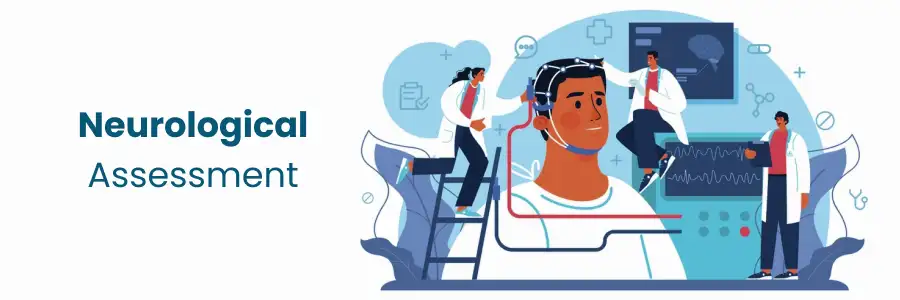
A neurological assessment is a comprehensive evaluation of the nervous system. It involves a series of tests and examinations designed to check the function of the brain, spinal cord, and nerves. This evaluation helps diagnose and manage conditions that affect neurological health.
Why is Neurological Evaluation Important?
Neurological assessments are essential for diagnosing a wide range of conditions, from common issues like headaches and dizziness to more serious conditions such as epilepsy, multiple sclerosis, or even brain tumors. Early diagnosis through a neurological evaluation can lead to more effective treatment and better outcomes.
What to Expect from a Neurological Assessment at Medicover Hospitals, Begumpet
Many people feel anxious about undergoing a neurological assessment, but understanding what to expect can alleviate some of that stress. Here’s a step-by-step guide to help you prepare.
Initial Consultation
The first step in the neurological testing process is an initial consultation. During this meeting, your neurologist will ask about your medical history, current symptoms, and any medications you are taking. This information helps to tailor the assessment to your specific needs.
Physical Examination
The physical examination is a crucial part of the neurological evaluation. It typically includes:
- Mental Status Exam: Tests your cognitive functions, including memory, attention, and language skills.
- Cranial Nerve Exam: Checks the function of the 12 cranial nerves responsible for various functions like vision, hearing, and facial movements.
- Motor System Examination: Assesses muscle strength, tone, and coordination.
- Sensory System Examination: Tests your ability to feel pain, temperature, and other sensations.
- Reflexes: Evaluate your reflex responses to ensure they are normal.
Diagnostic Tests
Depending on the findings from the physical examination, your neurologist may recommend additional diagnostic tests. Common tests include:
- MRI or CT Scans: These imaging tests provide detailed pictures of your brain and spinal cord.
- Electroencephalogram (EEG): Measures electrical activity in your brain to detect abnormalities.
- Nerve Conduction Studies and Electromyography (EMG): Assess the electrical activity of muscles and the speed of nerve signals.
Get a second opinion from trusted experts and makeconfident, informed decisions.
Get Second OpinionNot sure where to start?
Talk to a patient care advisor — free, confidential, 24/7. We'll match you to the right specialist and book your appointment in minutes.
Preparing for a Neurological Assessment
Proper preparation can make the process smoother and more effective. Here are some tips to help you get ready for your neurological health check-up.
Gather Your Medical History
Bring all relevant medical records, including previous test results, a list of current medications, and any other pertinent information. This helps your neurologist get a complete picture of your health.
List Your Symptoms
Keep a detailed list of your symptoms, noting when they started, how often they occur, and any triggers you’ve noticed. This will aid your neurologist in making an accurate diagnosis.
Ask Questions
Don’t hesitate to ask questions during your consultation. Understanding the purpose of each test and what the results mean can help you feel more at ease.
Neurology Services and Their Importance
Neurology services encompass a wide range of treatments and interventions aimed at maintaining and improving neurological health. These services are vital, from managing chronic conditions to providing emergency care.
Chronic Condition Management
Many neurological conditions require long-term management. Regular neurological evaluations and follow-ups ensure that treatments are effective and adjustments are made as needed.
Emergency Care
In cases of acute neurological events, such as a stroke or severe head injury, immediate neurological assessment and intervention are crucial. Quick action can significantly improve outcomes.
The Neurological Testing Process
Understanding the neurological testing process can help demystify the experience. Here’s a closer look at some common tests.
Imaging Tests
- MRI (Magnetic Resonance Imaging): Uses magnetic fields and radio waves to create detailed images of the brain and spinal cord.
- CT (Computed Tomography) Scan: Combines X-ray images taken from different angles to create cross-sectional images.
Electrical Activity Tests
- EEG (Electroencephalogram): This test measures electrical activity in the brain and is often used to diagnose epilepsy and other seizure disorders.
- EMG (Electromyography): Assesses the electrical activity of muscles and the speed of nerve signals.
Blood Tests
Blood tests can help identify markers of neurological conditions, such as infections or autoimmune disorders.
When to Seek a Neurological Assessment
Knowing when to seek a neurological assessment can be life-saving. Here are some signs that you should consult a neurologist:
- Persistent headaches or migraines
- Sudden vision changes
- Unexplained dizziness or balance issues
- Muscle weakness or numbness
- Seizures
- Memory problems
Your health is everything - prioritize your well-being today.
Schedule Your AppointmentTakeaways
Neurological assessments are a vital tool in maintaining neurological health. By understanding what to expect and how to prepare, you can take proactive steps toward a healthier future. Whether you are dealing with a chronic condition or experiencing new symptoms, a neurological evaluation can provide the answers and treatment you need.
Investing in your neurological health today can lead to better outcomes and a higher quality of life. Don’t wait; schedule your neurological assessment to ensure your nervous system is functioning at its best.
Frequently Asked Questions
A neurological assessment evaluates brain and nervous system function to diagnose conditions, identify symptoms, and guide treatment plans.
You can schedule an appointment online through the Medicover Hospital website or by calling the helpline number 040-68334455.
Generally, no special preparations are needed, but it’s helpful to bring a list of current medications and any relevant medical history.
Tests may include neurological exams, imaging studies (like MRI or CT scans), and possibly electrodiagnostic tests (like EEG or EMG).
The assessment involves a detailed history review, physical examination of neurological functions (like reflexes and coordination), and possibly additional diagnostic tests.
Conditions such as stroke, epilepsy, multiple sclerosis, Parkinson's disease, and various types of neuropathies can be diagnosed.
- Cardiology
- Case Studies
- Dermatology
- Endocrinology
- ENT
- Fertility
- Gastroenterology
- General
- General-Medicine
- Gynecology
- Hematology
- Infectious-Diseases
- Medical News
- Neurology
- Oncology
- Ophthalmology
- Orthopedics
- Pediatrics
- Procedure
- Public-Health
- Pulmonology
- Radiology
- Second Opinion
- Urology
- Wellness
- Woman-and-child
Related Blogs
Still have questions? Speak with our experts now!
040-68334455


