 Call
Call Patient Reports
- Cardiology 84
- Dermatology 45
- Endocrinology 33
- ENT 16
- Fertility 190
- Gastroenterology 78
- General-Medicine 81
- Gynecology 80
- Hematology 19
- Infectious-Diseases 33
- Neurology 52
- Oncology 34
- Ophthalmology 23
- Orthopedics 69
- Pediatrics 31
- Procedure 23
- Public-Health 144
- Pulmonology 59
- Radiology 8
- Urology 68
- Wellness 161
- Woman-and-child 77
- 3759
- 3.5 Minute
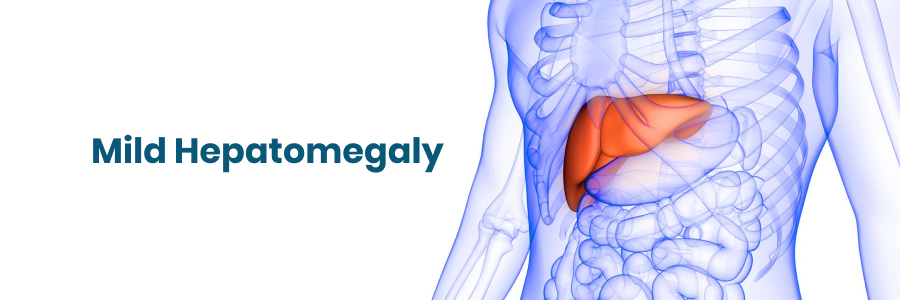
Mild Hepatomegaly
Mild hepatomegaly means that the liver is slightly larger than normal. The liver is a vital organ responsible for many functions, including detoxifying harmful substances, producing bile for digestion, and storing nutrients. When the liver enlarges, it can be a sign of underlying health issues that need to be addressed. An enlarged liver can put additional pressure on surrounding organs and tissues, potentially leading to discomfort and other symptoms.
Get a second opinion from trusted experts and makeconfident, informed decisions.
Get Second OpinionNot sure where to start?
Talk to a patient care advisor — free, confidential, 24/7. We'll match you to the right specialist and book your appointment in minutes.
Causes of Mild Hepatomegaly
Several factors can cause mild hepatomegaly. Some common causes include:
Fatty Liver Disease
One of the most prevalent causes is fatty liver disease, which occurs when fat builds up in the liver. This condition can be related to alcohol consumption (alcoholic fatty liver disease) or other factors like obesity and diabetes (non-alcoholic fatty liver disease). Fatty liver disease is increasingly common due to rising obesity rates and sedentary lifestyles, and it often progresses silently without noticeable symptoms until significant damage has occurred.
In non-alcoholic fatty liver disease, lifestyle factors such as diet and exercise play a significant role, whereas alcoholic fatty liver disease is directly linked to alcohol intake. Managing these conditions often involves addressing the root causes, such as reducing alcohol consumption or adopting a healthier lifestyle to lose excess weight.
Hepatitis
Hepatitis, an inflammation of the liver, can lead to hepatomegaly. Hepatitis can be caused by viral infections (like Hepatitis A, B, or C), alcohol use, and certain medications. Each type of hepatitis has different modes of transmission and impacts on the liver, requiring specific treatments and preventive measures.
Chronic hepatitis can cause lasting liver damage, making early detection and treatment critical. Vaccinations are available for certain types of viral hepatitis, and antiviral medications can help manage chronic infections, reducing the risk of further liver damage.
Infections
Certain infections, such as mononucleosis or bacterial infections, can cause the liver to enlarge as the body fights off the illness. Infections can lead to an inflammatory response that temporarily enlarges the liver as immune cells accumulate to combat the pathogens.
In some cases, the liver returns to normal size once the infection is resolved, but persistent infections may lead to long-term liver issues. Identifying and treating the underlying infection is essential to prevent complications and promote liver health.
Heart Problems
Heart conditions, particularly those that lead to fluid buildup in the body, can cause liver enlargement. Congestive heart failure is a common example. When the heart is unable to efficiently pump blood, fluid can back up into the liver, causing it to swell.
Addressing the heart condition is vital in managing hepatomegaly caused by cardiovascular issues. Medications, lifestyle changes, and sometimes surgical interventions are necessary to improve heart function and alleviate liver enlargement.
Metabolic Disorders
Some metabolic disorders, like hemochromatosis (excess iron in the body) and Wilson's disease (excess copper in the body), can cause liver enlargement. These genetic conditions affect the body's ability to process and store certain minerals, leading to their accumulation in the liver and other organs.
Treatment often involves medications or procedures to reduce metal accumulation, alongside regular monitoring to prevent organ damage. Early detection through genetic testing and family history assessments can aid in managing these conditions effectively.
Symptoms Associated with Mild Hepatomegaly
Often, mild hepatomegaly does not cause noticeable symptoms and is discovered during a routine medical exam. When symptoms do occur, they might include:
- A feeling of fullness or discomfort in the abdomen, particularly in the upper right side
- Fatigue
- Jaundice (yellowing of the skin and eyes)
- Nausea or vomiting
These symptoms can vary depending on the underlying cause of hepatomegaly. For instance, jaundice is more common in conditions affecting bile production, while abdominal discomfort might be more pronounced in cases of significant liver enlargement. Understanding the specific symptoms can help healthcare providers pinpoint the underlying cause and tailor treatment accordingly.
In some cases, individuals may experience additional symptoms related to the underlying condition, such as fever or weight loss, which may further aid diagnosis. Being aware of and reporting all symptoms to a healthcare provider is crucial in ensuring a comprehensive evaluation and appropriate management plan.
Diagnosis of Mild Hepatomegaly
To diagnose mild hepatomegaly, healthcare providers may use several methods:
Physical Examination
During a physical exam, a doctor can feel for an enlarged liver by pressing on the abdomen. This palpation helps determine the size and consistency of the liver, providing initial clues about its condition.
A detailed physical examination may also reveal other signs of liver disease, such as jaundice or spider angiomas, which can guide further diagnostic testing. The physical exam is often the first step in evaluating liver enlargement, leading to more specific tests if necessary.
Imaging Tests
Imaging tests such as ultrasound, CT scans, and MRI can provide detailed pictures of the liver to help determine its size and identify any abnormalities. These non-invasive tests offer a clear view of liver structure and can detect tumors, cysts, or other changes.
Advanced imaging techniques, like elastography, can also assess liver stiffness, which may indicate fibrosis or cirrhosis. Imaging is an essential tool in diagnosing hepatomegaly and tracking its progression over time.
Blood Tests
Blood tests can help assess liver function and identify potential causes of hepatomegaly. Tests may include liver function tests, viral hepatitis panels, and tests for metabolic disorders. These tests measure levels of liver enzymes, proteins, and bilirubin, which can indicate liver inflammation or damage.
Additional blood tests may be conducted to assess for specific conditions, such as autoimmune markers or genetic tests for hereditary disorders. Blood tests provide valuable information about liver health and guide treatment decisions.
Complications Related to Mild Hepatomegaly
While mild hepatomegaly itself might not be dangerous, it can be a sign of underlying conditions that need attention. If left untreated, these conditions can lead to more severe liver damage or other health issues. For example, untreated fatty liver disease can progress to cirrhosis, a serious liver condition.
Cirrhosis involves scarring of the liver tissue, which can impair liver function and lead to liver failure. Preventing progression to cirrhosis is a key goal in managing liver enlargement, highlighting the importance of early detection and intervention. Other potential complications include portal hypertension and increased risk of liver cancer, emphasizing the need for regular monitoring and appropriate treatment.
Relationship Between Mild Hepatomegaly and Liver Disease
Mild hepatomegaly can be an early sign of liver disease. Conditions like fatty liver disease, hepatitis, and cirrhosis can all cause the liver to enlarge. Detecting hepatomegaly early can help prevent the progression of liver disease through timely intervention and lifestyle changes.
Understanding the relationship between hepatomegaly and liver disease is crucial for effective management and prevention of complications. By addressing the root causes of liver enlargement, individuals can take proactive steps to maintain liver health and prevent more serious conditions from developing.
Early intervention can include lifestyle modifications, medication, and monitoring, depending on the underlying cause. Educating patients about the importance of liver health and regular check-ups can empower them to take charge of their well-being.
Lifestyle Changes for Managing Mild Hepatomegaly
Making certain lifestyle changes can help manage and even reduce mild hepatomegaly:
Healthy Diet
A balanced diet rich in fruits, vegetables, whole grains, and lean proteins can support liver health. Reducing the intake of saturated fats, sugars, and processed foods is also beneficial. Such dietary changes can help reduce liver fat and inflammation, improving overall liver function.
Incorporating foods rich in antioxidants, like berries and nuts, can further support liver health by reducing oxidative stress. Consulting a nutritionist or dietitian can provide personalized dietary recommendations to optimize liver function and address specific health needs.
Regular Exercise
Engaging in regular physical activity can help maintain a healthy weight and improve overall liver function. Aim for at least 30 minutes of moderate exercise most days of the week. Exercise promotes fat loss, reduces liver fat content, and enhances insulin sensitivity, all of which are beneficial for liver health.
Incorporating a mix of aerobic exercises, like walking or cycling, and strength training can offer comprehensive health benefits. Finding enjoyable activities and building them into daily routines can help sustain long-term exercise habits, contributing to liver health.
Limiting Alcohol
Reducing or eliminating alcohol consumption can prevent further liver damage, especially in cases of alcoholic fatty liver disease. Alcohol is a major contributor to liver damage, and moderation or abstinence is crucial for those with liver enlargement.
For individuals struggling with alcohol use, seeking support from healthcare providers or support groups can be beneficial. Understanding the impact of alcohol on liver health can motivate individuals to make positive changes, reducing the risk of liver disease progression.
Avoiding Toxins
Limit exposure to harmful chemicals and toxins that can damage the liver. This includes certain medications and environmental toxins. Reading labels and following safety guidelines can help minimize exposure to liver-damaging substances.
Consulting healthcare providers before using new medications or supplements can also prevent potential liver damage. Adopting a proactive approach to avoiding toxins can support long-term liver health and prevent complications.
Treatment Options for Mild Hepatomegaly
Treatment for mild hepatomegaly depends on the underlying cause:
Medications
If an infection or hepatitis is causing hepatomegaly, antiviral or antibiotic medications may be prescribed. For metabolic disorders, specific treatments to manage iron or copper levels might be necessary. Medication can help control symptoms and prevent further liver damage, improving overall health outcomes.
In some cases, medications to manage symptoms, such as pain relievers or anti-nausea drugs, may also be prescribed. Close collaboration with healthcare providers ensures the most effective treatment plan tailored to the individual's needs.
Lifestyle Modifications
As mentioned earlier, dietary changes, exercise, and avoiding alcohol are crucial in managing conditions like fatty liver disease. These modifications can significantly improve liver function and reduce enlargement, addressing the root cause of hepatomegaly.
Support from healthcare professionals, such as dietitians or physical therapists, can enhance the effectiveness of lifestyle changes. Personalized plans that consider individual preferences and health goals can increase adherence and improve outcomes.
Monitoring and Follow-Up
Regular follow-up with healthcare providers is essential to monitor liver size and function. This ensures that any changes in the liver's condition are promptly addressed. Consistent monitoring allows for timely adjustments to treatment plans, preventing complications and promoting optimal liver health.
Follow-up appointments may include periodic blood tests and imaging studies, providing comprehensive assessments of liver health. Developing a strong relationship with healthcare providers can facilitate open communication and effective management of mild hepatomegaly.
Monitoring Mild Hepatomegaly Over Time
Regular check-ups and monitoring are vital for individuals with mild hepatomegaly. This might include periodic blood tests and imaging studies to track liver size and function. Keeping a close watch on liver health can help prevent complications and ensure timely treatment if the condition worsens.
Monitoring allows for early detection of changes in liver health, enabling prompt intervention and minimizing the risk of serious complications. Establishing a monitoring routine with healthcare providers can provide reassurance and support long-term liver health.
Your health is everything - prioritize your well-being today.
Schedule Your AppointmentConclusion
Mild hepatomegaly can be a sign of various underlying health conditions, but with proper diagnosis and treatment, it can be managed effectively. By understanding the causes, symptoms, and treatment options, individuals can take proactive steps to support their liver health and overall well-being. If you suspect you have mild hepatomegaly or have been diagnosed with it, consult with your healthcare provider to develop a personalized plan for managing your condition.
Proactive management, including lifestyle changes, medical treatments, and regular monitoring, can help prevent the progression of liver disease and maintain overall health. Awareness and education about liver health can empower individuals to make informed decisions and take control of their well-being.
Frequently Asked Questions
Mild hepatomegaly, or liver enlargement, can occur due to various factors, including fatty liver disease and alcohol consumption.
Symptoms may include fatigue, discomfort in the upper abdomen, and, in some cases, jaundice.
Diagnosis typically involves imaging tests and blood tests to assess liver function and size.
Treatment focuses on addressing underlying causes, such as lifestyle changes or managing alcohol intake.
A balanced diet, regular exercise, and avoiding alcohol can support liver health.
- Cardiology
- Case Studies
- Dermatology
- Endocrinology
- ENT
- Fertility
- Gastroenterology
- General
- General-Medicine
- Gynecology
- Hematology
- Infectious-Diseases
- Medical News
- Neurology
- Oncology
- Ophthalmology
- Orthopedics
- Pediatrics
- Procedure
- Public-Health
- Pulmonology
- Radiology
- Second Opinion
- Urology
- Wellness
- Woman-and-child
Related Blogs
Still have questions? Speak with our experts now!
040-68334455


