 Call
Call Patient Reports
- Cardiology 84
- Dermatology 45
- Endocrinology 33
- ENT 16
- Fertility 190
- Gastroenterology 78
- General-Medicine 81
- Gynecology 80
- Hematology 19
- Infectious-Diseases 33
- Neurology 52
- Oncology 34
- Ophthalmology 23
- Orthopedics 69
- Pediatrics 31
- Procedure 23
- Public-Health 144
- Pulmonology 59
- Radiology 8
- Urology 68
- Wellness 161
- Woman-and-child 77
- 3759
- 3.5 Minute
Managing Hepatitis-B at Medicover Hospitals in Begumpet
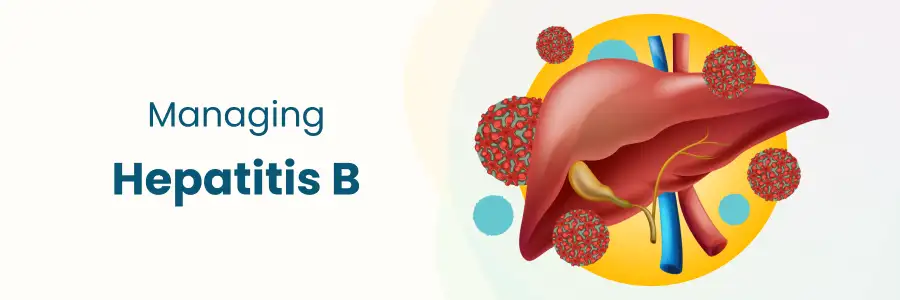
Managing Hepatitis B effectively is crucial to maintaining liver health and preventing complications. Hepatitis B is a viral infection that targets the liver, potentially leading to severe liver disease and other health issues.
Here are some essential tips for managing Hepatitis B, from monitoring disease progression to understanding treatment options.
Understanding Hepatitis B and Its Complications
Hepatitis B can lead to several liver-related complications, including cirrhosis, liver failure, and hepatocellular carcinoma. Early detection and continuous monitoring are vital. Regular check-ups with a healthcare provider will help in assessing liver function and the virus's impact on the liver.
Get a second opinion from trusted experts and makeconfident, informed decisions.
Get Second OpinionNot sure where to start?
Talk to a patient care advisor — free, confidential, 24/7. We'll match you to the right specialist and book your appointment in minutes.
Monitoring Disease Progression
Monitoring Hepatitis B progression involves regular blood tests to measure liver enzymes, viral load, and liver function. These tests help evaluate the effectiveness of treatment and detect any changes in liver health. Ultrasound and liver biopsies may also be recommended for a more detailed assessment.
Antiviral Medications for Hepatitis B
Antiviral medications play a critical role in managing Hepatitis B. These medications help reduce the viral load in the body, slowing disease progression and minimizing liver damage. Commonly prescribed antivirals include Tenofovir, Entecavir, and Lamivudine. It's essential to follow the hepatitis B treatment guidelines provided by your healthcare provider.
Lifestyle Changes and Liver Health
Maintaining a healthy lifestyle is crucial for managing Hepatitis B and promoting liver health. This includes:
- Balanced Diet: Consuming a diet rich in fruits, vegetables, whole grains, and lean proteins.
- Avoiding Alcohol: Alcohol can exacerbate liver damage, so it's essential to prevent it entirely.
- Regular Exercise: Engaging in regular physical activity to maintain a healthy weight and overall well-being.
- Vaccinations: Staying up-to-date with vaccinations, including the Hepatitis B vaccination for those at risk and other vaccines like Hepatitis A.
Regular Medical Follow-ups
Consistent follow-ups with your healthcare provider are essential for managing Hepatitis B. These appointments allow for ongoing monitoring of liver function, assessment of treatment efficacy, and early detection of potential complications. Your provider may adjust your treatment plan based on these evaluations.
Psychological Support and Counseling
Living with a chronic condition like Hepatitis B can be stressful. Seeking psychological support and counseling can help you manage the emotional aspects of the disease. Support groups and counseling services provide a platform to share experiences and receive guidance.
Your health is everything - prioritize your well-being today.
Schedule Your AppointmentEducation and Awareness
Educating yourself about Hepatitis B and staying informed about the latest treatment options and guidelines is empowering. Understanding the disease helps you make informed decisions about your health and treatment plan.
Managing Hepatitis B requires a comprehensive approach that includes medical treatment, lifestyle changes, and regular monitoring. By following these tips and working closely with your healthcare provider, you can effectively manage the disease and maintain your liver health.
Frequently Asked Questions
Hepatitis B is a viral infection that affects the liver. We diagnose it using blood tests to detect the presence of the virus and assess liver function.
Symptoms can include jaundice (yellowing of the skin and eyes), fatigue, abdominal pain, and loss of appetite. If you experience these symptoms, we recommend scheduling an evaluation with us.
We start with a thorough assessment, including blood tests and possibly imaging studies, to determine the extent of the infection and liver damage. Based on the results, we create a personalized treatment plan.
Treatment options include antiviral medications to control the virus, lifestyle changes, and monitoring of liver health. The specific treatment plan depends on the severity of the infection and individual health factors.
We provide special care for pregnant women with Hepatitis B, including antiviral treatment to reduce the risk of transmission to the baby and close monitoring throughout pregnancy and delivery.
- Cardiology
- Case Studies
- Dermatology
- Endocrinology
- ENT
- Fertility
- Gastroenterology
- General
- General-Medicine
- Gynecology
- Hematology
- Infectious-Diseases
- Medical News
- Neurology
- Oncology
- Ophthalmology
- Orthopedics
- Pediatrics
- Procedure
- Public-Health
- Pulmonology
- Radiology
- Second Opinion
- Urology
- Wellness
- Woman-and-child
Related Blogs
Still have questions? Speak with our experts now!
040-68334455


