 Call
Call Patient Reports
- Cardiology 84
- Dermatology 45
- Endocrinology 33
- ENT 16
- Fertility 190
- Gastroenterology 78
- General-Medicine 81
- Gynecology 80
- Hematology 19
- Infectious-Diseases 33
- Neurology 52
- Oncology 34
- Ophthalmology 23
- Orthopedics 69
- Pediatrics 31
- Procedure 23
- Public-Health 144
- Pulmonology 59
- Radiology 8
- Urology 68
- Wellness 161
- Woman-and-child 77
- 3114
- 3.9 Minute
Peripheral Nerve Tumors: Long-Term Care at Medicover, Nellore
Peripheral nerve tumors, though rare, can cause significant discomfort and disability. At Medicover Hospitals in Nellore, we understand the critical need for comprehensive long-term care and rehabilitation for patients with these conditions.
This article delves into our extended care programs, highlighting the importance of ongoing patient care and the various long-term care options available. We aim to provide a thorough understanding of how we support our patients throughout their journey, from diagnosis to rehabilitation.
Understanding Peripheral Nerve Tumors
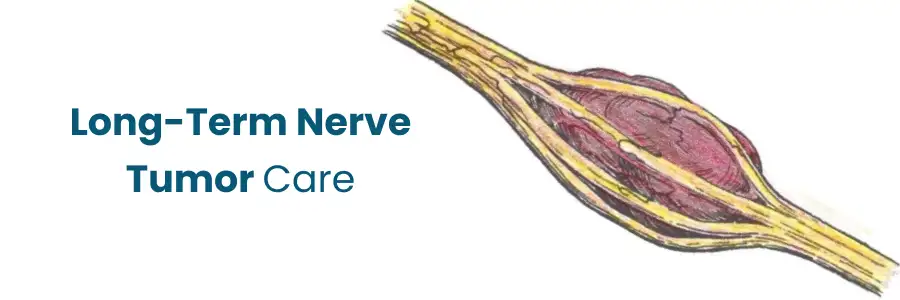
Peripheral nerve tumors are abnormal growths that develop in or around the nerves outside the brain and spinal cord. They can be benign (non-cancerous) or malignant (cancerous) and may cause pain, weakness, or loss of function in the affected area. The impact of these tumors can vary greatly depending on their location and size, affecting the patient's daily life and overall health.
Types of Peripheral Nerve Tumors
There are several types of peripheral nerve tumors, each with unique characteristics and implications for treatment:
- Schwannomas: These are benign tumors that develop from Schwann cells, which produce the myelin sheath around nerves. Schwannomas are typically slow-growing and often asymptomatic until they compress nearby nerves or structures.
- Neurofibromas: Also benign, these tumors are often associated with a genetic disorder called neurofibromatosis. They can grow within the nerve itself, causing a range of symptoms from mild discomfort to significant disability.
- Malignant Peripheral Nerve Sheath Tumors (MPNST): These are rare but aggressive cancerous tumors that arise from the cells surrounding the nerves. MPNSTs can spread rapidly and require prompt, intensive treatment to manage effectively.
Importance of Long-Term Care
Long-term care is crucial for managing the symptoms and improving the quality of life for patients with peripheral nerve tumors. This care includes regular monitoring, pain management, physical therapy, and psychological support. Comprehensive long-term care helps in addressing not just the physical symptoms but also the emotional and psychological challenges that come with chronic illness.
Regular Monitoring
Regular monitoring is essential to detect any changes in the tumor's size or behavior. This involves periodic imaging studies, such as MRI or CT scans, and regular consultations with neurologists and oncologists. Continuous monitoring ensures timely interventions, which can prevent complications and improve outcomes for patients.
Pain Management
Pain management is a critical component of long-term care. Patients may experience chronic pain due to nerve compression or damage. Medicover Hospitals offer a range of pain management strategies, including medications, nerve blocks, and alternative therapies like acupuncture. These approaches are tailored to each patient, ensuring that pain relief is effective and sustainable.
Get a second opinion from trusted experts and makeconfident, informed decisions.
Get Second OpinionNot sure where to start?
Talk to a patient care advisor — free, confidential, 24/7. We'll match you to the right specialist and book your appointment in minutes.
Comprehensive Rehabilitation Programs
Rehabilitation is an integral part of the long-term care strategy for peripheral nerve tumors. It helps patients regain their strength, mobility, and independence. Effective rehabilitation programs are designed to cater to the unique needs of each patient, promoting physical recovery and enhancing quality of life.
Physical Therapy
Physical therapy focuses on improving muscle strength, flexibility, and coordination. Our experienced physical therapists develop personalized exercise programs tailored to each patient's needs and abilities. These programs are regularly updated based on the patient's progress to ensure continued improvement and prevent any setbacks.
Occupational Therapy
Occupational therapy aims to help patients perform daily activities more efficiently. This may involve teaching new ways to accomplish tasks, recommending adaptive equipment, and modifying the home or workplace environment to enhance safety and accessibility. Occupational therapy is crucial for helping patients maintain their independence and participate in activities that bring them joy and fulfillment.
Psychological Support
Dealing with a chronic condition like a peripheral nerve tumor can be emotionally challenging. Psychological support is vital to help patients cope with anxiety, depression, and other mental health issues. Addressing the psychological aspects of chronic illness is essential for holistic care and overall well-being.
Counseling and Support Groups
Medicover Hospitals provide access to professional counselors who specialize in helping patients with chronic illnesses. Counseling sessions offer a safe space for patients to express their feelings and develop coping strategies. Additionally, support groups provide a platform for patients to share their experiences and gain emotional support from others facing similar challenges.
Nerve Tumor Long-Term Support
Long-term support extends beyond medical and therapeutic interventions. It includes education, lifestyle modifications, and community resources to help patients lead fulfilling lives. Comprehensive support systems are essential for empowering patients and ensuring they have the resources they need to manage their condition effectively.
Patient Education
Educating patients about their condition, treatment options, and self-care strategies is crucial. At Medicover Hospitals, we offer educational workshops and materials to empower patients with the knowledge they need to manage their condition effectively. Informed patients are better equipped to make decisions about their health and engage actively in their treatment plans.
Lifestyle Modifications
Adopting a healthy lifestyle can significantly impact the overall well-being of patients with peripheral nerve tumors. This includes a balanced diet, regular exercise, and stress management techniques. Lifestyle modifications can enhance treatment outcomes, reduce symptoms, and improve the patient's quality of life.
Your health is everything - prioritize your well-being today.
Schedule Your AppointmentMedicover Hospital's Approach to Long-Term Care
At Medicover Hospitals in Nellore, we are committed to providing holistic care for patients with peripheral nerve tumors. Our approach combines medical expertise, advanced technology, and compassionate care to ensure the best possible outcomes. We believe in a patient-centered approach, where each patient's unique needs and preferences are at the forefront of their care plan.
Multidisciplinary Team
Our multidisciplinary team includes neurologists, oncologists, surgeons, pain specialists, physical therapists, occupational therapists, and psychologists. This collaborative approach ensures that all aspects of a patient's care are addressed. Regular team meetings and case reviews help to coordinate care and develop comprehensive treatment plans.
Advanced Technology
We utilize advanced technology for diagnosis, treatment, and rehabilitation. This includes advanced imaging techniques, minimally invasive surgical procedures, and innovative rehabilitation equipment. Cutting-edge technology enables us to offer precise, effective treatments and monitor progress with high accuracy.
Personalized Care Plans
Each patient's condition is unique, and so is their care plan. We develop personalized care plans based on the patient's medical history, current health status, and personal goals. These plans are regularly reviewed and adjusted to ensure they remain effective. Personalized care plans ensure that treatment is tailored to meet the specific needs of each patient, enhancing their overall health and quality of life.
Conclusion
Long-term care and rehabilitation for peripheral nerve tumors are essential for improving patient's quality of life. At Medicover Hospitals in Nellore, we are dedicated to providing comprehensive, compassionate care that addresses all aspects of a patient's health and well-being. Through our extended care programs, ongoing patient support, and personalized care plans, we strive to help our patients lead fulfilling, independent lives despite their condition.
Frequently Asked Questions
Long-term care includes regular follow-ups with oncologists, physical therapy, pain management, and psychological support. Medicover hospitals and rehabilitation hospitals offer these services.
Yes, specialized rehabilitation hospitals in Nellore provide tailored physical therapy and rehabilitation programs. Check with medicover hospitals for recommendations.
Follow-up appointments are typically scheduled every few months, but the frequency may vary based on the patient’s condition and treatment plan. Consult your oncologist for a personalized schedule.
Physical therapy options may include strength training, range of motion exercises, and pain management techniques. Local rehab hospitals can provide a customized therapy plan.
Yes, psychological support, including counseling and therapy, is available through Medicover hospitals, cancer support organizations, and private practitioners in Nellore.
Resources for caregivers include support groups, educational materials, and respite care services. Local health organizations can provide information and referrals.
- Cardiology
- Case Studies
- Dermatology
- Endocrinology
- ENT
- Fertility
- Gastroenterology
- General
- General-Medicine
- Gynecology
- Hematology
- Infectious-Diseases
- Medical News
- Neurology
- Oncology
- Ophthalmology
- Orthopedics
- Pediatrics
- Procedure
- Public-Health
- Pulmonology
- Radiology
- Second Opinion
- Urology
- Wellness
- Woman-and-child
Related Blogs
Still have questions? Speak with our experts now!
040-68334455


