 Call
Call Patient Reports
- Cardiology 84
- Dermatology 45
- Endocrinology 33
- ENT 16
- Fertility 190
- Gastroenterology 78
- General-Medicine 81
- Gynecology 80
- Hematology 19
- Infectious-Diseases 33
- Neurology 52
- Oncology 34
- Ophthalmology 23
- Orthopedics 69
- Pediatrics 31
- Procedure 23
- Public-Health 144
- Pulmonology 59
- Radiology 8
- Urology 68
- Wellness 161
- Woman-and-child 77
- 3153
- 3 Minute
Common Side Effects of Liposuction
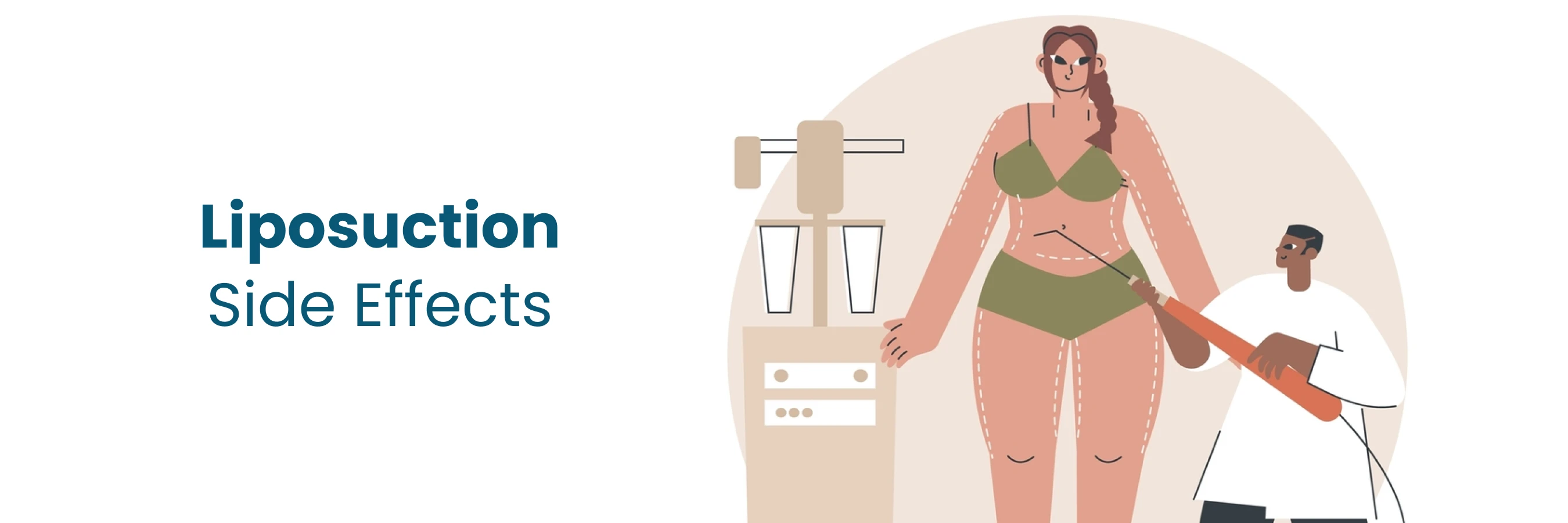
Liposuction is a popular cosmetic procedure aimed at removing excess fat deposits from specific areas of the body. While it can yield impressive results, it's crucial to be aware of the potential side effects and risks associated with the procedure. Understanding these can help you make an informed decision and prepare for the recovery process.
In this article, we will delve into the common side effects of liposuction, including bruising, pain, swelling, scarring, and more.
Get a second opinion from trusted experts and makeconfident, informed decisions.
Get Second OpinionNot sure where to start?
Talk to a patient care advisor — free, confidential, 24/7. We'll match you to the right specialist and book your appointment in minutes.
What is Liposuction?
Liposuction, also known as lipoplasty or suction-assisted lipectomy, is a surgical procedure that uses a suction technique to remove fat from specific areas of the body, such as the abdomen, hips, thighs, buttocks, arms, or neck. This procedure is often sought by individuals who have yet to achieve desired results through diet and exercise alone.
What are Side Effects of Liposuction?
Bruising
Bruising is one of the most common side effects of liposuction. The process of inserting a cannula (a thin tube) into the skin to suction out fat can cause blood vessels to break, leading to bruising. The extent of bruising can vary depending on the individual and the area treated. Typically, bruising subsides within a few weeks post-surgery.
Pain and Discomfort
Pain and discomfort are to be expected after liposuction. The intensity of the pain varies from person to person and depends on the extent of the procedure. Pain is usually managed with prescribed painkillers and tends to subside within a few days to weeks.
Swelling
Swelling is another common side effect of liposuction. The body's natural response to surgery is to swell in the treated area. This swelling can last several weeks to months, gradually decreasing over time. Wearing compression garments, as recommended by your surgeon, can help reduce swelling and improve recovery.
Scarring
Scarring is an inevitable part of any surgical procedure, including liposuction. However, liposuction incisions are typically small and strategically placed to minimize visible scarring. Over time, scars usually fade and become less noticeable. The degree of scarring can also depend on individual healing processes and post-operative care.
Specific Types of Liposuction and Their Side Effects
Cavitation Liposuction Side Effects
Cavitation liposuction, also known as ultrasonic liposuction, uses ultrasonic waves to liquefy fat cells before removal. While this technique can be effective, it can also have specific side effects such as burns, blisters, or thermal injuries due to the heat generated by the ultrasonic waves.
Liposuction Injection Side Effects
Liposuction injection, often referred to as tumescent liposuction, involves injecting a solution containing saline, lidocaine, and epinephrine into the targeted fat deposits. This solution helps to numb the area, reduce blood loss, and make fat removal easier. Side effects can include fluid retention, allergic reactions, and potential toxicity from the lidocaine if not properly administered.
Your health is everything - prioritize your well-being today.
Schedule Your AppointmentLiposuction Recovery
The recovery period after liposuction varies depending on the extent of the procedure and the individual's overall health. Generally, most people can return to work within a few days to a week, but full recovery can take several weeks to months.
Tips for a Smooth Recovery
- Follow post-operative instructions: Adhere to your surgeon's post-operative care instructions to minimize complications and promote healing.
- Wear compression garments: These garments help reduce swelling and support the treated areas during recovery.
- Stay hydrated: Drinking plenty of water helps flush out toxins and reduce swelling.
- Maintain a healthy diet: A balanced diet rich in vitamins and minerals can aid in the healing process.
- Avoid strenuous activities: Refrain from intense physical activities until your surgeon gives you the green light.
Potential Complications and Risks
Infection
Infection is a risk with any surgical procedure, including liposuction. Signs of infection include redness, increased pain, swelling, and fever. To reduce the risk of infection, it’s essential to follow your surgeon's care instructions and keep the incision sites clean.
Irregular Contour or Asymmetry
Despite the surgeon's best efforts, liposuction can sometimes result in irregular contours or asymmetry. This can occur due to uneven fat removal or the body's natural healing process. In some cases, additional procedures may be required to correct these irregularities.
Fat Embolism
A rare but severe complication of liposuction is fat embolism, in which fat enters the bloodstream and blocks blood vessels. Symptoms can include shortness of breath, chest pain, and neurological issues. If these symptoms occur, immediate medical attention is necessary.
Fluid Accumulation (Seroma)
After liposuction, fluid may accumulate in pockets under the skin, leading to a condition known as seroma. While small seromas often resolve on their own, larger ones may require drainage by a healthcare professional.
Minimizing Liposuction Risks
To minimize the risks associated with liposuction, it's vital to choose a board-certified plastic surgeon with extensive experience in performing the procedure. Additionally, ensure you:
- Disclose your medical history: Provide your surgeon with a complete medical history, including any medications or supplements you are taking.
- Follow Pre-Operative guidelines: Adhere to any pre-operative instructions given by your surgeon, such as stopping certain medications or quitting smoking.
- Attend follow-Up appointments: Regular follow-up appointments allow your surgeon to monitor your recovery and address any concerns promptly.
Conclusion
Liposuction can be a highly effective way to contour your body and remove stubborn fat deposits, but it's essential to be aware of the potential side effects and risks. By understanding the common side effects, such as bruising, pain, swelling, and scarring, as well as the specific risks associated with different types of liposuction, you can make an informed decision about whether this procedure is correct for you. Always consult with a qualified plastic surgeon to discuss your goals and any concerns you may have.
By taking appropriate precautions and following your surgeon's guidance, you can minimize risks and enjoy the benefits of a successful liposuction procedure.
Frequently Asked Questions
Scars from liposuction are typically small and located in discrete areas where incisions are made. They generally fade over time but can be more noticeable in the early stages of recovery.
The risks of infection after liposuction include redness, swelling, and discharge at the incision sites. Proper post-operative care and hygiene can minimize these risks.
Recovery from liposuction usually takes about 1 to 2 weeks for initial healing. Full recovery, including the reduction of swelling and final results, can take several months.
Risks associated with anesthesia during liposuction include allergic reactions, respiratory issues, and cardiovascular problems. These risks are generally minimized with careful monitoring and administration by a qualified anesthesiologist.
- Cardiology
- Case Studies
- Dermatology
- Endocrinology
- ENT
- Fertility
- Gastroenterology
- General
- General-Medicine
- Gynecology
- Hematology
- Infectious-Diseases
- Medical News
- Neurology
- Oncology
- Ophthalmology
- Orthopedics
- Pediatrics
- Procedure
- Public-Health
- Pulmonology
- Radiology
- Second Opinion
- Urology
- Wellness
- Woman-and-child
Related Blogs
Still have questions? Speak with our experts now!
040-68334455


