 Call
Call Patient Reports
- Cardiology 84
- Dermatology 45
- Endocrinology 33
- ENT 16
- Fertility 190
- Gastroenterology 78
- General-Medicine 81
- Gynecology 80
- Hematology 19
- Infectious-Diseases 33
- Neurology 52
- Oncology 34
- Ophthalmology 23
- Orthopedics 69
- Pediatrics 31
- Procedure 23
- Public-Health 144
- Pulmonology 59
- Radiology 8
- Urology 68
- Wellness 161
- Woman-and-child 77
- 3759
- 3.5 Minute
Leishmaniasis Treatment Options at Medicover Hospitals, Begumpet
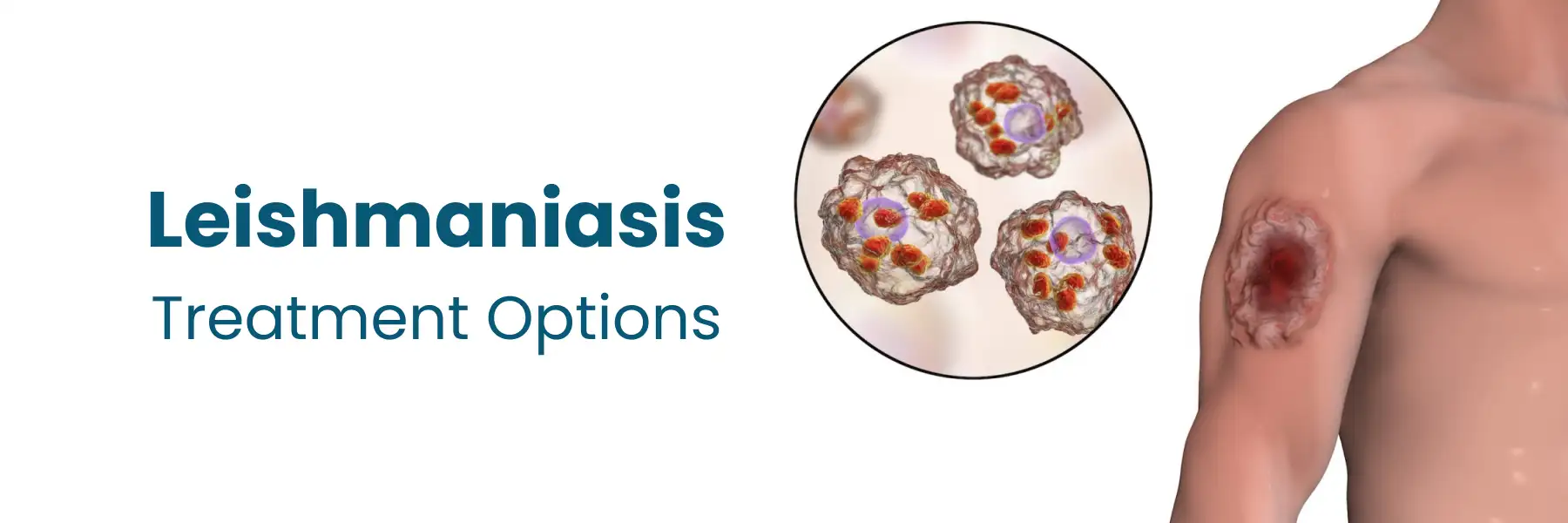
Leishmaniasis is a parasitic disease caused by protozoan parasites from the Leishmania species, transmitted through the bites of infected female phlebotomine sandflies. The disease manifests in different forms, primarily visceral (VL), cutaneous (CL), and mucocutaneous leishmaniasis (ML), each requiring specific approaches for diagnosis and treatment. At Medicover, Begumpet, we offer comprehensive and modern management techniques to handle leishmaniasis effectively.
Get a second opinion from trusted experts and makeconfident, informed decisions.
Get Second OpinionNot sure where to start?
Talk to a patient care advisor — free, confidential, 24/7. We'll match you to the right specialist and book your appointment in minutes.
Understanding Leishmaniasis
Types of Leishmaniasis
Leishmaniasis is classified into three main types:
- Visceral Leishmaniasis (VL): Also known as kala-azar, it affects internal organs such as the spleen, liver, and bone marrow.
- Cutaneous Leishmaniasis (CL): This form leads to skin lesions and ulcers.
- Mucocutaneous Leishmaniasis (ML): Affects the mucous membranes of the nose, mouth, and throat.
Each type requires tailored diagnostic and treatment strategies, which are meticulously followed at Medicover.
Diagnosis of Leishmaniasis
Clinical Examination and History
The initial step in diagnosing leishmaniasis involves a thorough clinical examination and detailed patient history. This includes identifying risk factors such as travel history to endemic areas and symptoms like prolonged fever, weight loss, and skin lesions.
Laboratory Tests
- Microscopy: Examination of tissue samples for the presence of Leishmania parasites.
- Serological Tests: Detection of specific antibodies against Leishmania.
- Molecular Tests: PCR techniques to identify Leishmania DNA in clinical samples.
- Culture: Growing the parasite in specialized media.
Treatment Protocols at Medicover
Antileishmanial Medications
Antileishmanial drugs are the cornerstone of leishmaniasis treatment. At Medicover, we follow the latest leishmaniasis treatment guidelines to ensure effective management.
Treatment for Visceral Leishmaniasis
- Liposomal Amphotericin B: The preferred treatment due to its efficacy and reduced toxicity.
- Miltefosine: An oral medication that is effective but requires monitoring for gastrointestinal side effects.
- Pentavalent Antimonials (Sodium Stibogluconate): Although effective, they are less commonly used due to toxicity concerns.
Treatment for Cutaneous Leishmaniasis
- Topical Treatments: Including paromomycin ointment and cryotherapy.
- Systemic Treatments: Miltefosine and pentavalent antimonials are used for more severe cases.
Integrated Management Techniques
Comprehensive care at Medicover encompasses more than just medication. Here are the critical components of our management approach:
Preventing Leishmaniasis
Prevention strategies are critical in managing leishmaniasis. Our approach includes:
- Vector Control for Leishmaniasis: Implementing measures to reduce sandfly populations, such as insecticide-treated bed nets and indoor residual spraying.
- Personal Protective Measures: Advising patients on using insect repellent and wearing protective clothing.
- Community Education: Raising awareness about leishmaniasis transmission and prevention in endemic areas.
Specialized Care at Medicover
Multidisciplinary Approach
Leishmaniasis management at Medicover involves a multidisciplinary team comprising infectious disease specialists, dermatologists, and public health experts. This ensures a holistic approach to patient care.
Monitoring and Follow-Up
Regular monitoring and follow-up are integral parts of our treatment protocol. This includes:
- Assessing Treatment Response: Ensuring that patients respond appropriately to therapy.
- Managing Side Effects: Promptly addressing any adverse reactions to medications.
- Long-Term Follow-Up: Essential for VL to prevent relapse.
Patient Education and Support
Educating patients about their disease and treatment plans is crucial for successful management. Our healthcare providers at Medicover take the time to explain:
- Disease Process: Understanding how leishmaniasis affects the body.
- Treatment Plan: Detailed information about medications, dosages, and duration of treatment.
- Lifestyle Adjustments: Recommendations for diet, hygiene, and other lifestyle changes to support recovery.
Research and Innovation at Medicover
Ongoing Clinical Trials
Medicover, Begumpet, is involved in advanced research to improve leishmaniasis care. This includes participation in clinical trials for new antileishmanial medications and innovative treatment approaches.
Technological Advancements
We utilize the latest technology for diagnosis and treatment, ensuring that our patients receive the most advanced care available. This includes:
- Advanced Imaging Techniques: For accurate diagnosis and monitoring of visceral leishmaniasis.
- Telemedicine: Providing remote consultations and follow-up care to reach patients in remote areas.
Collaborations and Partnerships
Medicover collaborates with global health organizations and research institutions to stay at the forefront of leishmaniasis management. These partnerships enable us to adopt best practices and contribute to international efforts to combat the disease.
Your health is everything - prioritize your well-being today.
Schedule Your AppointmentConclusion
Leishmaniasis is a complex disease requiring a multifaceted approach for effective management. At Medicover, Begumpet, we are committed to providing comprehensive care through advanced diagnostic techniques, modern treatments, and robust prevention strategies. Our multidisciplinary team ensures that each patient receives personalized care tailored to their specific needs. By staying at the forefront of research and innovation, we strive to improve outcomes for all our patients battling leishmaniasis. For more information or to schedule a consultation, please visit our website or contact Medicover, Begumpet.
Frequently Asked Questions
Diagnostic tests may include blood tests, skin biopsies, or bone marrow biopsies to detect the presence of the Leishmania parasite. Medicover uses these tests to accurately diagnose the disease and determine its severity.
Cutaneous leishmaniasis, which affects the skin, is often treated with topical or systemic medications. Medicover provides options like topical antimonials or oral treatments based on the extent of the lesions.
Visceral leishmaniasis, which affects internal organs, is treated with more intensive systemic medications, including intravenous treatments. Medicover offers a range of therapies to manage severe cases effectively.
Complications such as secondary infections or organ damage are managed with supportive care and targeted treatments. Medicover’s team will monitor and address any complications that arise during treatment.
Yes, preventive measures include avoiding sandfly bites by using insect repellents, wearing protective clothing, and staying in well-screened areas. Medicover provides guidance on these preventive strategies.
- Cardiology
- Case Studies
- Dermatology
- Endocrinology
- ENT
- Fertility
- Gastroenterology
- General
- General-Medicine
- Gynecology
- Hematology
- Infectious-Diseases
- Medical News
- Neurology
- Oncology
- Ophthalmology
- Orthopedics
- Pediatrics
- Procedure
- Public-Health
- Pulmonology
- Radiology
- Second Opinion
- Urology
- Wellness
- Woman-and-child
Related Blogs
Still have questions? Speak with our experts now!
040-68334455


