 Call
Call Patient Reports
- Cardiology 84
- Dermatology 45
- Endocrinology 33
- ENT 16
- Fertility 190
- Gastroenterology 78
- General-Medicine 81
- Gynecology 80
- Hematology 19
- Infectious-Diseases 33
- Neurology 52
- Oncology 34
- Ophthalmology 23
- Orthopedics 69
- Pediatrics 31
- Procedure 23
- Public-Health 144
- Pulmonology 59
- Radiology 8
- Urology 68
- Wellness 161
- Woman-and-child 77
- 1778
- 1.2 Minute
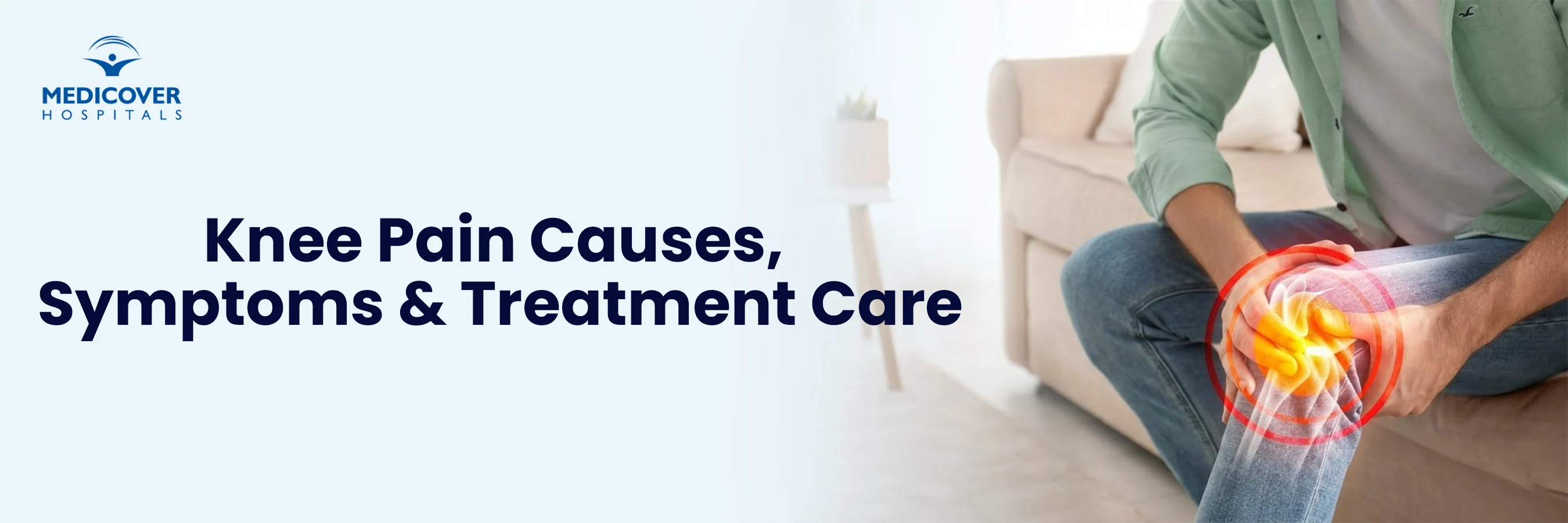
Knee Pain: Causes, Symptoms, and Care Options
Knee pain is a very common musculoskeletal complaint that may affect individuals of all ages, both young and old. It may develop suddenly following an injury or gradually due to long-term wear and tear. The knee is an essential part of standing, walking and daily practises, because any minor pain can impact your quality of life.
Early medical attention can be helpful in diagnosis and effective knee pain treatment, it prevents further complication and also eliminates the potential for loss of functionality and a better recovery when compared to later stages.
What is Knee Pain and How It Affects Movement
Knee pain describes the pain experience that occurs in the area surrounding the knee joint which connects the thigh bone with the lower leg. The joint enables people to perform basic movements because it provides weight support while enabling them to flex and extend their legs.
The condition manifests through pain that affects one or both knees and it varies in intensity from mild discomfort to extreme pain which obstructs walking, standing and stair climbing.
Knee pain can develop after an injury, repeated strain, or gradual joint wear over time. Some cases respond to rest but patients with persistent or increasing pain should undergo medical assessment to determine their condition and stop future joint damage.
Get a second opinion from trusted experts and makeconfident, informed decisions.
Get Second OpinionNot sure where to start?
Talk to a patient care advisor — free, confidential, 24/7. We'll match you to the right specialist and book your appointment in minutes.
Common Signs and Warning Symptoms of Knee Pain
The symptoms of knee pain show different patterns because of two factors which involve the specific underlying condition and its severity and the length of time the patient has experienced pain. Some conditions start immediately after an injury occurs, but others develop at a slower pace. The following signs often indicate the need for medical evaluation and appropriate treatment:
- Knee swelling and pain: Swelling often signals inflammation or fluid buildup within the joint, commonly seen after injury or overuse. Persistent swelling may require medical assessment to prevent joint stiffness and long-term damage.
- Difficulty walking due to knee pain: Pain during walking may indicate joint instability or reduced strength in supporting muscles. Early treatment helps restore mobility and reduces the risk of falls or worsening symptoms.
- Knee stiffness in the morning: Knee stiffness that improves with movement is commonly associated with osteoarthritis knee pain or inflammatory joint conditions. Timely management can help maintain flexibility and slow disease progression.
- Pain while bending knee: Discomfort during bending or squatting may be linked to meniscus tear symptoms or cartilage strain. Targeted treatment and rehabilitation can reduce pain and improve joint function.
- Knee pain while climbing stairs: People with knee pain experience difficulty when they climb stairs. Stair use causes pain because of three main reasons which include muscle weakness and joint overload and knee pain that results from injury.
The treatment of underlying problems leads to better strength development and increased.
What Causes Knee Pain? Key Medical and Lifestyle Factors
Knee pain arises from multiple structural medical and lifestyle factors which impact both the joint and its adjacent tissues. The knee pain causes include both mechanical problems and medical conditions that exist beneath the surface. The main factors that cause this problem include the following elements which show their common occurrence in multiple cases:
- Hormonal imbalance: Changes in hormone levels can affect bone strength and joint lubrication, increasing stress on the knee. Over time, this may lead to stiffness, discomfort, and reduced joint flexibility.
- Genetics and family history: A family history of joint problems may make some individuals more prone to early wear and tear. This inherited tendency can increase the risk of developing knee pain even with normal daily activity.
- Infections or inflammation: Infection or ongoing inflammation in or around the knee can cause pain, swelling, and restricted movement. Prompt diagnosis is important to prevent long-term joint damage.
- Underlying medical disorders: The healing process gets delayed because joint health problems occur with autoimmune disorders and metabolic disorders. The management of these conditions needs to be handled correctly because it helps decrease both knee pain and limitations in movement ability.
Clinically, knee pain may also be associated with specific conditions such as osteoarthritis knee pain, knee ligament injury, and cartilage damage, presenting as meniscus tear symptoms. Pain may follow trauma, described as knee pain due to injury, or develop gradually due to age-related knee problems.
Who Is at Higher Risk of Knee Pain?
Some people are more likely to develop knee joint pain because of their common lifestyle practices and existing health conditions. As time progresses, the knee joint undergoes natural deterioration which results in decreased strength and flexibility. Excess body weight imposes additional stress on the knee joint.
The knees experience stress from activities that involve heavy physical work and sports participation and extended periods of standing. The absence of physical activity leads to muscle deterioration while previous knee injuries result in ongoing discomfort. The combination of specific chronic health conditions and genetic predisposition increases the likelihood of certain individuals developing this condition.
How Knee Pain Is Diagnosed
The medical team needs to make an accurate diagnosis of the condition which will help them determine the most effective treatment for knee pain. The standard process for assessing knee pain requires a complete physical examination which tests the patient for joint alignment and stability and range of motion.
Medical professionals commonly use X-ray imaging to identify bone or joint abnormalities in patients with knee pain. Doctors use MRI scans for knee injuries when they suspect soft tissue damage and require advanced imaging capabilities. The presence of a confirmed knee pain diagnosis assists medical professionals in selecting appropriate treatment options.
The best orthopedic surgeon in Hyderabad practices at Medicover Hospitals and reviews each case to guide the medical team in making appropriate clinical decisions regarding treatment.
Medical Treatment Options for Knee Pain
Treatment for knee pain needs to follow three specific factors which include the original cause of the pain, the intensity of the painful symptoms, and the level of movement impairment which the person experiences during their daily activities. The standard treatment method needs to use an alternative approach because some medical conditions respond positively to basic medical treatments while other cases require more sophisticated treatment methods.
The available options may include the following selections:
- Medications: Healthcare providers use pain-relieving and anti-inflammatory medications to treat knee pain. The medications help manage pain and swelling through custom prescriptions which doctors determine according to each patient's medical requirements and their ability to handle the treatment.
- Minimally Invasive Treatments: Non-surgical knee pain treatment and knee injection therapy and physiotherapy for knee pain are two treatment methods which aim to decrease inflammation and enhance joint motion and develop knee-supporting muscles.
- Surgical Options: When conservative measures fail to provide relief, knee surgery treatment may be recommended. In cases of advanced joint degeneration or structural damage, knee replacement surgery may be considered after thorough specialist evaluation.
- Lifestyle and Recovery Care: The guided rehabilitation programs restore physical abilities by rehabilitating strength and flexibility and normal movement patterns. The structured plans not only help prevent future injuries but also enable patients to maintain their knee function throughout their daily activities.
The treatment approach depends on two factors: the severity of the condition and the person's current health condition. The specialist assessment process enables us to select the best recovery method for the patient while protecting their safety and enhancing their long-term knee function.
Your health is everything - prioritize your well-being today.
Schedule Your AppointmentPreventing Knee Pain and Supporting Long-Term Joint Health
Knee joint health and permanent mobility security depend on the implementation of preventive measures. Healthy body weight maintenance through balanced nutrition and regular health checkups enables people to decrease their knee stress. The body benefits from low-impact exercises which enhance joint flexibility while building the strength of their supporting muscles.
The implementation of correct posture and proper footwear selection along with the avoidance of excessive physical strain will help protect knee function. Rehabilitation exercises after an injury provide structured support that enables safe recovery while minimizing the risk of future pain episodes. The best orthopedic specialists in Hyderabad provide guidance to help people develop effective preventive and recovery methods that match their individual needs.
When Knee Pain Requires Medical Attention
You need to see a doctor when knee pain persists through rest and the pain intensifies or when you experience unexplained pain with bleeding after an injury or when you face sudden difficulties with movement and weight-bearing. The signs require immediate medical attention because they indicate a condition that needs fast diagnosis for appropriate treatment.
Complete knee pain treatment needs to happen before patients can walk normally. Early identification of knee pain, together with effective treatment methods, leads to better patient results while preventing permanent disabilities. The medical team delivers precise assessments together with immediate treatment solutions,which match each patient's specific requirements.
Medicover Hospitals uses combined methods for orthopedic evaluation and treatment to help patients recover their physical abilities while achieving improved health and active lifestyles
Frequently Asked Questions
Knee pain can be caused by injuries, overuse, age-related joint wear, inflammation, or underlying medical conditions. Poor posture, excess weight, and weak supporting muscles may also contribute over time.
You should consult an orthopedic doctor if knee pain persists, worsens, limits movement, or follows an injury. Early evaluation helps identify the cause and prevents long-term joint damage.
The most suitable treatment depends on the cause and severity of the condition. Options may include medications, physiotherapy, injections, or surgical intervention based on medical evaluation.
Yes, many cases of knee pain respond well to non-surgical treatments such as medication, physiotherapy, lifestyle modification, and guided rehabilitation programs.
No, knee replacement surgery is usually considered only when other treatments fail. Most patients improve with conservative or minimally invasive treatment approaches.
Diagnosis usually involves a physical examination, medical history review, and imaging tests such as X-rays or MRI scans. This helps identify structural damage, inflammation, or degenerative changes.
Medicover Hospitals offers comprehensive orthopedic care, including diagnosis and treatment of knee pain, joint disorders, sports injuries, and degenerative conditions using evidence-based medical practices.
- Cardiology
- Case Studies
- Dermatology
- Endocrinology
- ENT
- Fertility
- Gastroenterology
- General
- General-Medicine
- Gynecology
- Hematology
- Infectious-Diseases
- Medical News
- Neurology
- Oncology
- Ophthalmology
- Orthopedics
- Pediatrics
- Procedure
- Public-Health
- Pulmonology
- Radiology
- Second Opinion
- Urology
- Wellness
- Woman-and-child
Related Blogs
Still have questions? Speak with our experts now!
040-68334455


