 Call
Call Patient Reports
- Cardiology 84
- Dermatology 45
- Endocrinology 33
- ENT 16
- Fertility 190
- Gastroenterology 78
- General-Medicine 81
- Gynecology 80
- Hematology 19
- Infectious-Diseases 33
- Neurology 52
- Oncology 34
- Ophthalmology 23
- Orthopedics 69
- Pediatrics 31
- Procedure 23
- Public-Health 144
- Pulmonology 59
- Radiology 8
- Urology 68
- Wellness 161
- Woman-and-child 77
- 3840
- 3.1 Minute
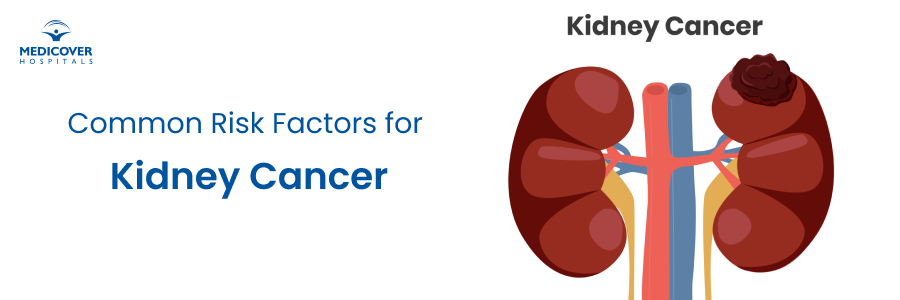
Common Risk Factors for Kidney Cancer
Knowing the risk factors for kidney cancer is important in order to avoid this disease. Upon discussing the factors between acquiring a top-level talent and not, this article aims to look at. Thousands of individuals worldwide have kidney cancer. It is for this reason that we take advocacy based upon innovation to promote further research. Know What Puts You at Risk.
Modifiable risk factors are those that can be changed. Other things like age or family history are non-modifiable. Learn about the top kidney cancer risks, including lifestyle and genetic factors. We will also discuss environmental and occupational exposures.
By learning about these risk factors, you can better control your health situation. Keep following us here to learn more about kidney cancer and how you can avoid becoming a patient.
Get a second opinion from trusted experts and makeconfident, informed decisions.
Get Second OpinionNot sure where to start?
Talk to a patient care advisor — free, confidential, 24/7. We'll match you to the right specialist and book your appointment in minutes.
Kidney Cancer and Types
Kidney cancer is a malignancy typically that first begins in the kidneys. This is a potentially lethal condition that needs immediate medical treatment. Kidneys: Two bean-shaped organs rear your lower back. They cleanse and filter your blood by producing urine.
What is Kidney Cancer?
Kidney cancer is when cells in one or both kidneys start to grow out of control. Over time, this uncontrolled growth leads to a clump of cells known as a tumour. Renal cell carcinomas account for the majority of kidney cancers. Only another form can also be.
Types of Kidney Cancer
Renal cell carcinoma (RCC) is the most common form of kidney cancer. It begins in the lining of the proximal convoluted tubule, one of the tiny filtering tubes inside a kidney. Urothelial carcinoma is also a type that Begins in the renal pelvis, where the ureter and kidney meet.
Major Kidney Cancer Risks
Some factors can increase your chances of developing kidney cancer. Some of which is modifiable and some not so much. Knowing about these risk factors can shape the choices you make for your health.
Age and Gender
Kidney cancer is an age-related disease. The disease is usually seen in those aged 60 or older. Men are at a higher risk of getting kidney cancer than women. The authors cited other studies that examined the causes for this increase and noted some evidence of risk factors; however, all these were based on self-reported symptoms.
Smoking and Lifestyle Factors
One of the risk factors for getting kidney cancer is smoking. The hazard escalates with the load of cigarette smoking daily. The good news for smokers is that quitting dramatically lowers your risk. It's never too late to quit.
Obesity and Diet
Although obesity is not the only risk factor for kidney Obesity, it increases your chances of having Renal cell carcinoma. Hormone changes due to excess body fat can cause cancer. Follow a diet that is high in fruits and vegetables. Conversely, a diet rich in processed or red meats might raise it.
High Blood Pressure (Hypertension)
Kidney cancer risk increases with high blood pressure. The authors say it is not clear how the two events are linked. For example, managing blood pressure through lifestyle or drug treatment may lessen PKD-related cardiovascular increase.
Genetic Factors and Family History
This means if it runs In the family, you may be at risk, or your chances of developing kidney cancer go up. Certain hereditary conditions, such as von Hippel-Lindau disease. In a person with a strong family history of kidney cancer and no specific mutation found, genetic testing would also be encouraged.
Chronic Kidney Disease and Other Medical Conditions
People with chronic kidney disease, especially those who need dialysis. There may be an increased risk for some depending on other conditions, such as diabetes. Those with these conditions are required to go through regular check-ups. Early detection equals better survival.
Your health is everything - prioritize your well-being today.
Schedule Your AppointmentEnvironmental and Occupational Exposures
Risk factors for kidney cancer can be seen from the job or environment you are in. Frequently these hazards are due to exposure to hazardous materials. Knowing about these dangers will enable you to play it safe.
Chemical Exposure
Kidney cancer risk is also elevated by exposure to specific chemicals, such as trichloroethylene. This highly toxic chemical is regularly used in the metal industry. If you work in an industry that may expose you to chemicals, wear protective gear. You should also have regular health check-ups.
Radiation and Other Environmental Factors
One can be prone to developing kidney cancer due to exposure to radiation. This can be both in medical radiation and environmental exposures. Pollution in the air also carries some risk. Further research is needed to fully understand these associations.
Modifiable vs. Non-Modifiable Risk Factors
Kidney cancer risk factors fall into two categories: They are called Non-modifiable and Modifiable risk factors. These are the modifiable risk factors, which means they can be altered. The non-modifiable factors are those that you can not.
Understanding What You Can Change
Smoking, diet, and physical activity are risk factors that can be modified. If you enhance yourself in these dimensions, your risk will come down. Age, gender, and family history are unmodifiable. You cannot control either, but it would be beneficial for you to know them so that you may gauge your threat.
The Importance of Early Detection
A key to the survival of kidney cancer is early detection. Knowing your risk enables earlier diagnosis. This is true, especially for those with more than one risk factor, and regular check-ups are extremely important. Talk to your doctor about the risk.
Preventive Measures and Reducing Risk
Some strategies are important from a preventive point of view to handle the risk of kidney cancer. It is treatable. These healthy lifestyle choices can reduce your risk. These factors include stopping smoking and keeping your weight healthy.
Lifestyle Changes for Risk Reduction
Eating a well-rounded diet high in fruits and veggies can help reduce one's risk of cancer. Ananya pointed out that regular physical activity also helps. Reduced exposure to harmful chemicals is important. Take measures to protect yourself at work.
Regular Check-Ups and Screening
This is why regular health check-ups are becoming increasingly critical. They can detect kidney cancer at an early stage. Regular kidney function testing may be helpful for those at high risk. Talk to your doctor about this.
Conclusion: Taking Charge of Your Health
To prevent kidney cancer, it is first important to understand the risk factors for developing the disease so that appropriate measures can be taken. This allows you to take better control of your health choices.
Staying Informed and Proactive
Keep up with the latest research and newly identified risk factors. Then, learn to adjust your lifestyle. This is an important reminder that early detection matters. Educationally pointing to risk awareness can bring forward a diagnosis.
Seeking Support and Resources
Seek support and resources without fear. There are patient advocacy groups that may have good information. Your healthcare providers can review your personal risk. In addition, they are able to offer individual advice that is in line with your health history.
Frequently Asked Questions
Primary risk factors include smoking, obesity, high blood pressure, family history of kidney cancer, and exposure to certain chemicals.
A family history of kidney cancer or inherited conditions like von Hippel-Lindau disease can increase the risk.
Yes, high blood pressure is a known risk factor, making blood pressure management crucial for prevention.
Yes, individuals with chronic kidney disease, particularly those on long-term dialysis, have a higher risk.
The risk increases with age, with most cases occurring in individuals over 50 years old.
Exposure to certain chemicals, such as asbestos and cadmium, can increase the risk of kidney cancer.
- Cardiology
- Case Studies
- Dermatology
- Endocrinology
- ENT
- Fertility
- Gastroenterology
- General
- General-Medicine
- Gynecology
- Hematology
- Infectious-Diseases
- Medical News
- Neurology
- Oncology
- Ophthalmology
- Orthopedics
- Pediatrics
- Procedure
- Public-Health
- Pulmonology
- Radiology
- Second Opinion
- Urology
- Wellness
- Woman-and-child
Related Blogs
Still have questions? Speak with our experts now!
040-68334455


